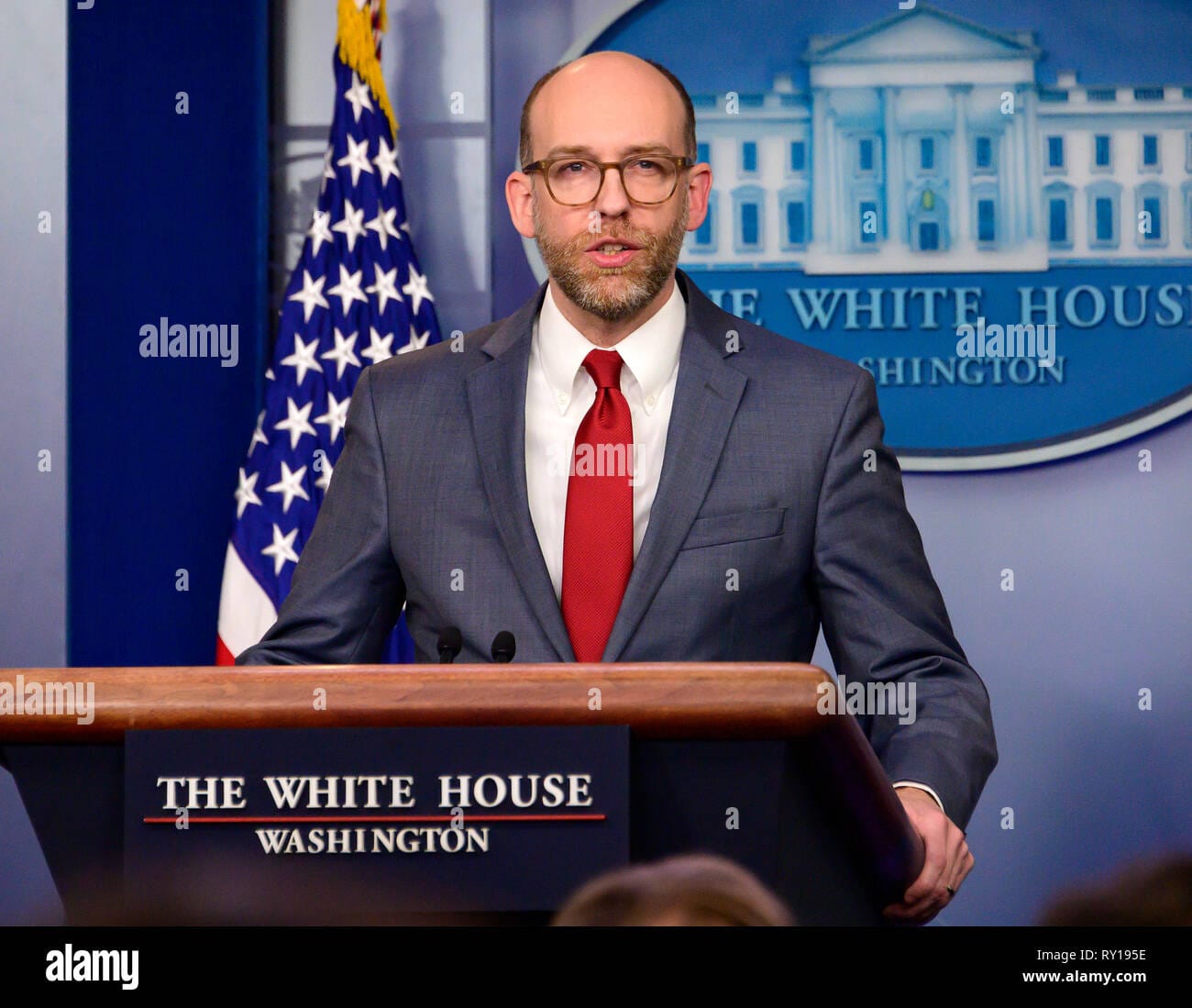
The United States Senate confirmed Russell Vought as the Director of the White House Office of Management and Budget (OMB) after a thorough review process. The OMB, a critical agency within the U.S. federal government, plays a central role in shaping fiscal policy, managing federal budgetary processes, and ensuring the implementation of the President’s economic agenda. Vought’s confirmation solidifies his leadership, which is significant as the nation navigates complex economic challenges.
Russell Vought, who held the position of acting OMB director for more than a year, was officially nominated for the role by the President. The Senate confirmation followed extensive debates and discussions over Vought’s qualifications, objectives, and policy stances. A seasoned political figure, he brings a wealth of experience to the role, having worked on budgetary matters and policy advisement throughout his career.
Vought’s journey to confirmation did not come without challenges. Some lawmakers scrutinized his previous decisions and policy initiatives during his tenure as acting director, focusing on his fiscal priorities and management style. Despite these deliberations, Vought ultimately garnered sufficient support in the Senate to secure the role.
As Director of the OMB, Vought’s responsibilities will encompass overseeing the preparation of the federal budget, assessing the effectiveness of agency programs, and ensuring that legislative proposals align with the Administration’s priorities. Given the heightened economic uncertainties and fiscal pressures brought on by global events and domestic challenges, Vought is expected to face a multitude of demands in his new role.
During his confirmation process, Vought made clear his commitment to fiscal responsibility and economic prioritization. He emphasized the importance of controlling federal spending and maintaining efficiency in the management of the nation’s financial resources. His vision aligns with the Administration’s broader strategy of regulatory reform and budgetary accountability.
His supporters praised his leadership while serving in an acting capacity, citing his handling of budgetary concerns, his decisive management skills, and his steadfast approach to implementing the Administration’s fiscal agenda. Critics, however, expressed concern about potential partisanship and the perceived lack of inclusivity in some of his budget proposals, calling for a more balanced approach moving forward.
Despite these differing perspectives, his confirmation signifies a pivotal step in reinforcing the White House’s approach to budgetary administration. The OMB director plays an essential role in not only crafting the fiscal blueprint of the government but also ensuring that federal spending adheres to the outlined policies and objectives.
In the months ahead, Vought will likely face scrutiny over the Administration’s budget allocations, particularly in areas involving social programs, defense spending, and taxation policies. Moreover, his leadership will be instrumental in navigating critical federal initiatives at a time when economic recovery is a priority.
The coming tenure of Russell Vought as the OMB director will inevitably have wide-reaching implications for federal spending and budget management. His ability to balance the nation’s financial books while addressing the immediate economic concerns of Americans will be key factors in his success.
Vought’s appointment marks the beginning of a significant chapter in the federal budget administration, setting the tone for fiscal decision-making under his leadership. The challenges are numerous, the stakes incredibly high, and observers will undoubtedly be watching closely.