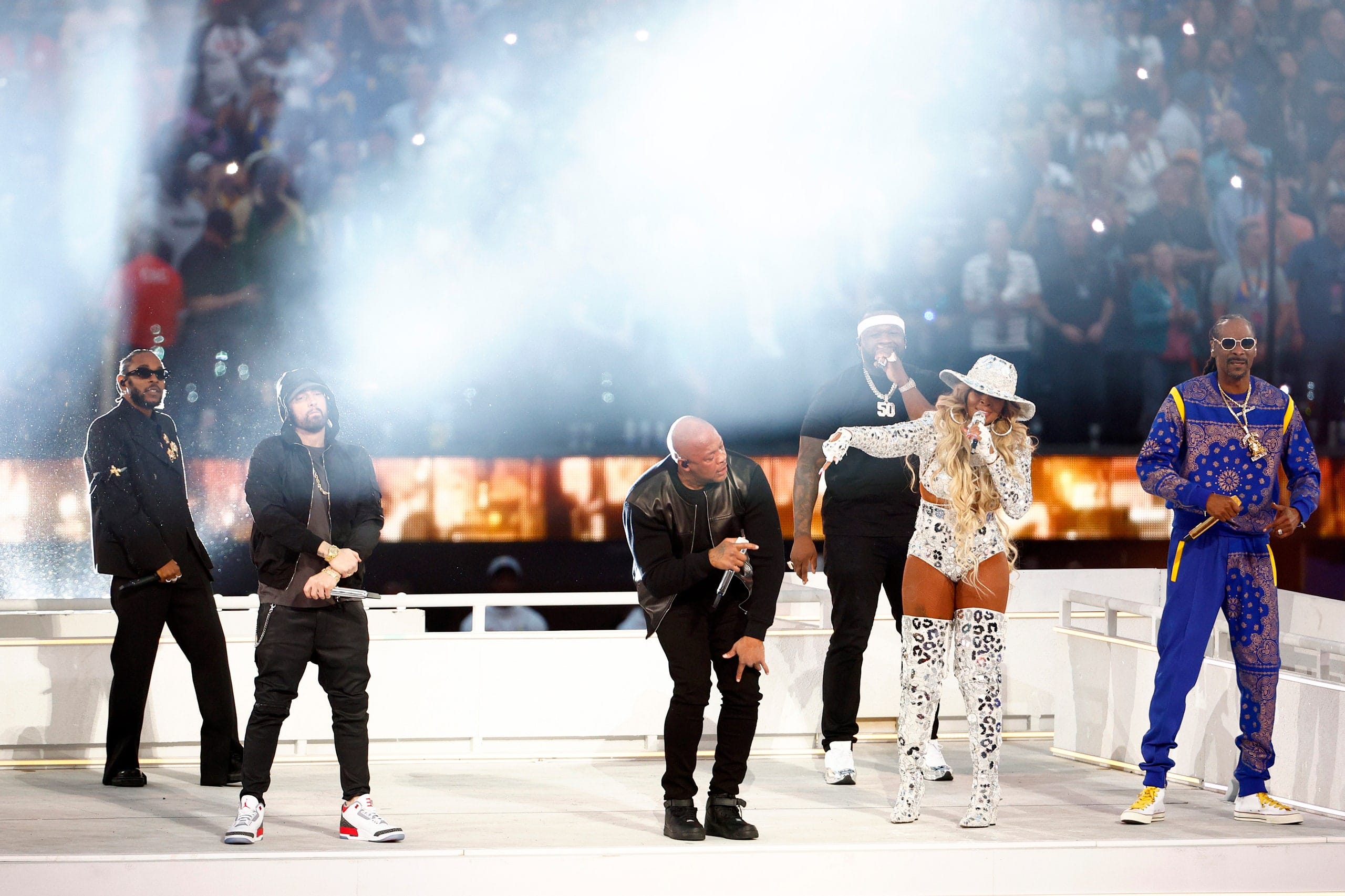
The National Football League’s (NFL) partnership with Roc Nation, the entertainment company founded by Shawn “Jay-Z” Carter, has been a subject of considerable discussion since its inception in 2019. This collaboration aimed to enhance the NFL’s entertainment offerings, particularly the Super Bowl halftime show, and to foster a more inclusive approach to its cultural outreach. However, the most recent Super Bowl LVIII halftime performance has brought renewed scrutiny to this partnership, raising questions about its direction and effectiveness.
The partnership between the NFL and Roc Nation was initially celebrated by many as a step toward bridging the gap between the league and diverse communities. Roc Nation, with its vast reach in the music and entertainment industries, was expected to bring a fresh perspective to the NFL’s cultural strategy. The agreement included Roc Nation consulting on the selection of musical artists for the Super Bowl halftime show, as well as advising on the league’s social justice initiatives. This partnership was seen as a win-win, with the NFL gaining access to Roc Nation’s cultural clout and Roc Nation gaining a prominent platform for its artists and vision.
However, not everyone has been consistently satisfied with the outcomes of this partnership. Early criticisms included the selection of artists and the creative direction of the halftime show. Some viewed the performances as lacking the kind of impactful and socially conscious elements they anticipated from a partnership with Roc Nation, given its history of championing underrepresented voices. These concerns simmered beneath the surface until Super Bowl LVIII.
The Super Bowl LVIII halftime show, headlined by Usher, has ignited a new wave of controversy. While the performance itself received mixed reviews in terms of entertainment value, the more significant criticism revolved around the perceived lack of cultural significance or commentary on contemporary issues. Some critics have argued that, despite Roc Nation’s stated goal of bringing more diversity and social awareness to the NFL, the performance seemed to lack any real depth or message. The absence of any clear social or cultural commentary left some feeling disappointed, particularly in light of previous collaborations that were seemingly more reflective of Roc Nation’s ethos.
The criticism surrounding the halftime show has led to an increase in scrutiny of the nature of the agreement between the NFL and Roc Nation. Questions have been raised about the extent of creative control granted to Roc Nation in the production of the halftime show and how the collaborative decisions are made. These inquiries are fueled by public perception that Roc Nation, led by a figure with a history of social activism, would inject more meaningful messages into such a globally viewed platform.
One of the central points of debate is whether Roc Nation is acting as an independent consultant, shaping the narrative and artistry of the performance, or simply providing logistical support and artist selection within the confines of NFL directives. This distinction is crucial to understanding the current narrative and the root causes of the perceived issues. If Roc Nation’s creative input is limited, it might explain the lack of substantive commentary that many critics have noted.
Conversely, if Roc Nation holds considerable sway in the creative process, it would necessitate a deeper evaluation of their creative decisions. This would require an understanding of their intended message and why it may not have resonated with some segments of the audience. The absence of explicit social or political statements might be interpreted differently by various observers, some of whom may believe that entertainment should be solely apolitical, while others view cultural performances as an opportunity to raise awareness about important issues.
The financial terms of the agreement also warrant scrutiny. It is essential to examine how Roc Nation is compensated for its services and whether these financial arrangements might influence the creative direction of the partnership. Transparency regarding these financial terms would be essential to addressing speculation and potential concerns about conflicts of interest.
Further complicating the issue is the NFL’s own complex relationship with public perception and social issues. The league has faced criticism for various controversies related to player conduct, race relations, and the treatment of its athletes. The partnership with Roc Nation was seen, in part, as a strategic move to improve the NFL’s public image, particularly among younger and more diverse audiences. However, the latest controversy raises questions about whether this strategy has been as effective as intended. The NFL’s need for cultural credibility often clashes with its corporate nature.
The impact of these recent events on the future of the partnership between the NFL and Roc Nation remains to be seen. It is possible that this scrutiny will lead to a renegotiation of the existing agreement, resulting in a shift in the balance of creative control or changes in the financial terms. The NFL may seek to exercise greater oversight of the halftime show production, potentially limiting Roc Nation’s ability to influence the content. Alternatively, the NFL might re-affirm its commitment to Roc Nation’s vision, allowing them more autonomy in the creative process.
It is also important to recognize that the success of the partnership may be measured by different metrics. For the NFL, it may be about appealing to a broader audience and improving its brand image. For Roc Nation, it might be about championing diverse artists and using the platform to promote social awareness. The latest controversy highlights a potential misalignment of goals, suggesting that the two entities need to clarify their respective priorities and expectations.
The long-term implications for both the NFL and Roc Nation are substantial. The NFL must determine whether this partnership continues to serve its brand strategy and how to manage the ongoing debate surrounding the cultural impact of its entertainment offerings. Roc Nation must also assess whether its partnership with the NFL aligns with its core values and whether it can use the platform to effectively promote its vision. The current situation may lead to a reevaluation of the partnership and a recalibration of the relationship, ensuring that it is more mutually beneficial and better aligned with the broader expectations of both the public and their respective communities.
The future of this partnership will likely depend on how the NFL and Roc Nation respond to the current criticism. Open dialogue, transparency, and a willingness to address the concerns raised by stakeholders will be crucial to determining the path forward. The lessons learned from this recent controversy will be important to shaping the future of the partnership and potentially other high-profile collaborations in sports and entertainment.
The relationship, at its heart, is a complex interplay of commercial interests and creative ambition. The need for a mass-appeal spectacle must be balanced against the desire to impart a substantive message that resonates with a diverse audience. The ongoing discussion surrounding the Super Bowl halftime show underscores that finding this balance is an ongoing challenge, and one that will require careful consideration and a collaborative approach from all stakeholders. It also serves as a reminder of the scrutiny that comes with large-scale collaborations, where both parties are under constant pressure to meet expectations from various segments of the public, and to uphold a specific brand image. The potential of this partnership remains, but its trajectory may depend on how the NFL and Roc Nation choose to respond in the coming months. This current debate should cause all parties to reevaluate the objectives of the relationship.


