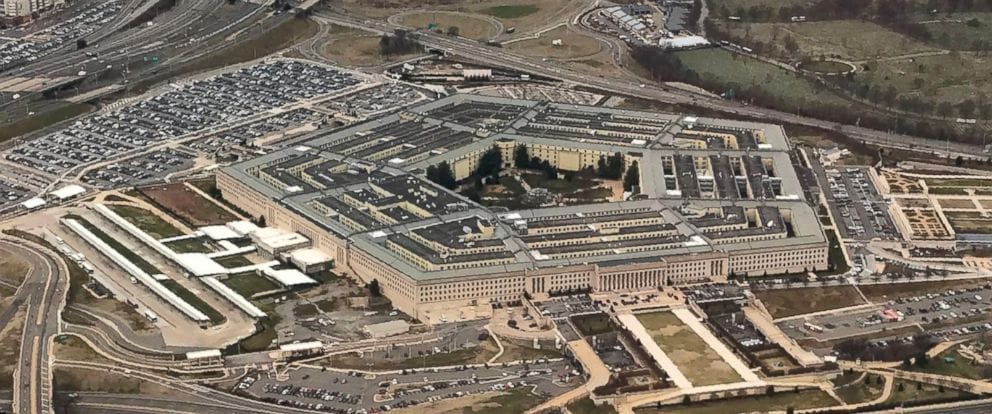
The U.S. Department of Defense has recently expanded its list of Chinese companies that it considers to have military affiliations. This decision reflects the Pentagon’s ongoing efforts to safeguard national security amid rising tensions between the United States and China, particularly in the realms of technology and defense. The identification of these companies is part of a larger initiative that aims to scrutinize foreign entities, especially those from China, which are perceived to pose risks to American interests.
The Pentagon’s designation is significant as it may lead to increased scrutiny of these firms by U.S. regulators and could potentially impact their operations within the United States. This move is aligned with previous actions taken by the U.S. government to restrict the involvement of certain foreign companies in critical sectors, particularly those related to technology and infrastructure. The implications of this designation extend beyond business operations; they also raise concerns about the potential for espionage and the transfer of sensitive technologies.
The companies that have been newly identified by the Pentagon include a range of firms involved in various sectors, including telecommunications, artificial intelligence, and aerospace. The designation indicates that these companies are either directly linked to the Chinese military or are believed to contribute to the military’s capabilities in some capacity. This classification is part of a broader strategy to counteract China’s growing influence and technological advancements, which the U.S. government views as a challenge to its global leadership.
The Pentagon’s actions are informed by a series of reports and assessments that highlight the strategic objectives of the Chinese government. The Chinese Communist Party has been actively promoting initiatives to enhance the capabilities of its military, often leveraging advancements in technology and innovation. The U.S. government has expressed concerns that these advancements could be used not only for military purposes but also for surveillance and cyber operations against other nations.
Moreover, this designation aligns with the broader geopolitical landscape, where the U.S. is increasingly wary of China’s intentions. The ongoing trade tensions and diplomatic disputes have further fueled the need for vigilance regarding Chinese investments in the U.S. The Pentagon’s designation serves as a warning to American businesses and investors to be cautious when engaging with these companies, as they may inadvertently become entangled in activities that could compromise national security.
The implications of this designation are multifaceted. For one, it may lead to increased restrictions on the ability of these companies to do business in the U.S. or with U.S. firms. Additionally, it could prompt other nations to reconsider their partnerships and collaborations with the identified Chinese companies, potentially leading to a reevaluation of global supply chains. The designation may also influence public perception, leading to heightened scrutiny of Chinese firms operating in various sectors.
In response to the Pentagon’s actions, Chinese officials have criticized the designations, asserting that they are politically motivated and unfounded. They argue that such measures only serve to escalate tensions and undermine the potential for cooperation between the two nations. Chinese companies have also expressed concerns about the impact of these designations on their international operations and reputations.
As the situation evolves, it remains to be seen how this designation will affect the broader U.S.-China relationship. The ongoing dialogue between the two nations is crucial in addressing mutual concerns, but the Pentagon’s actions indicate a more cautious approach moving forward. The U.S. government appears committed to taking measures that prioritize national security while navigating the complexities of international trade and investment.
In conclusion, the Pentagon’s recent designation of additional Chinese companies as military in nature underscores the ongoing concerns regarding national security and the implications of foreign investments. This move is part of a larger strategy to monitor and assess the potential risks associated with Chinese entities operating within the United States and globally. As the geopolitical landscape continues to shift, the ramifications of these designations will likely unfold over time, influencing business operations and international relations.