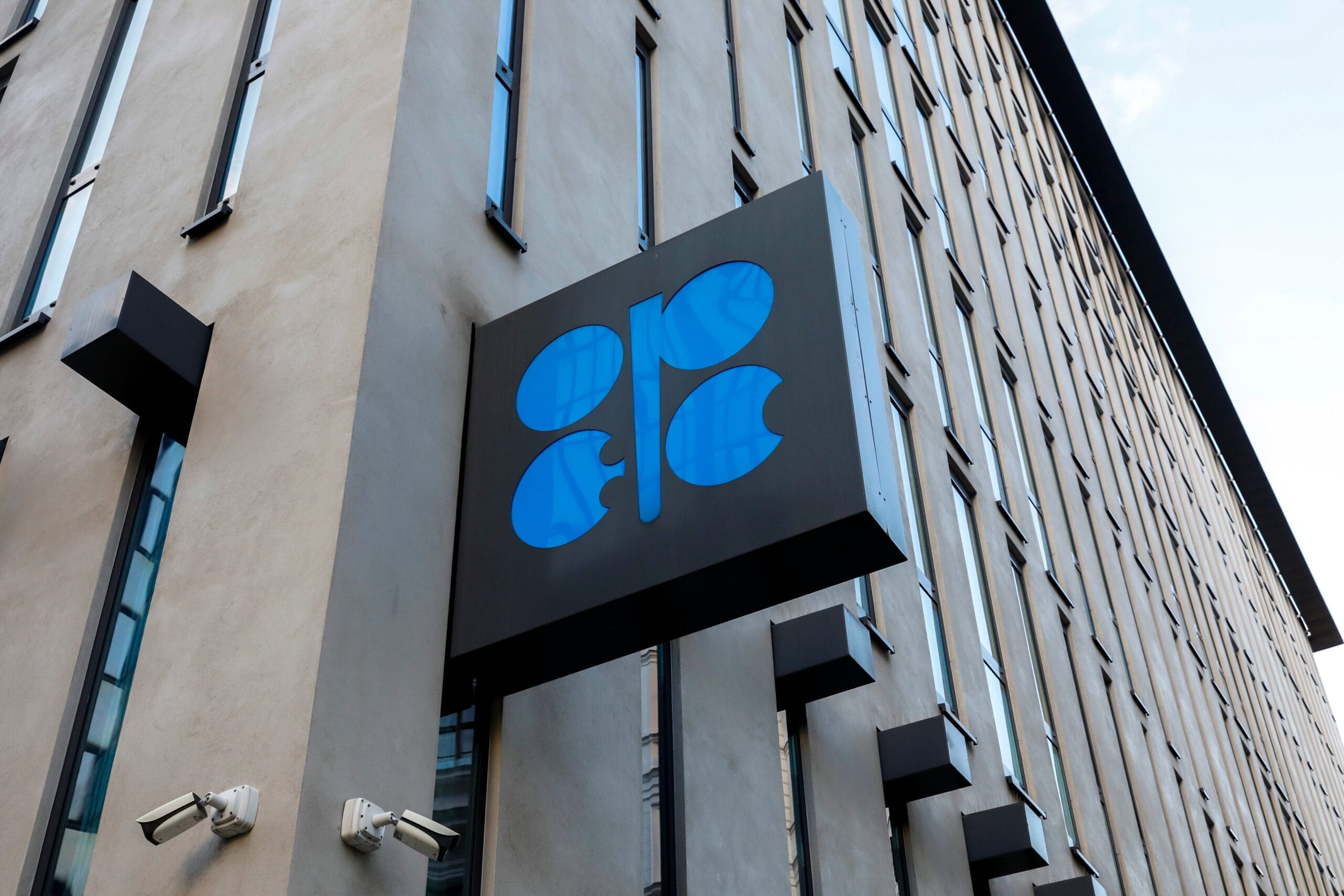
Oil prices experienced a notable decline this week as the Organization of the Petroleum Exporting Countries (OPEC) confirmed its intention to return additional barrels to the market starting in April 2024. This decision comes amid a backdrop of fluctuating demand and economic uncertainty, which has left investors cautious about the future trajectory of oil prices.
As of the latest reports, Brent crude was trading at approximately $85 per barrel, down from a recent high of $91, while West Texas Intermediate (WTI) was hovering around $80 per barrel. The announcement from OPEC, which is expected to increase production by around 1 million barrels per day, has raised concerns about a potential oversupply in the market, particularly as global economic growth shows signs of slowing down.
OPEC’s decision follows a series of cuts made in late 2023 aimed at stabilizing prices amidst a volatile market. However, with the anticipated increase in output, analysts are now questioning whether these measures will be effective in maintaining price stability. The International Energy Agency (IEA) has projected that global oil demand growth will slow in 2024, citing economic headwinds and a shift towards renewable energy sources as contributing factors.
In response to OPEC’s plans, analysts at Goldman Sachs have revised their oil price forecasts, suggesting that prices could fall further if demand does not keep pace with the increased supply. “The balance of supply and demand is becoming increasingly delicate,” said a spokesperson from the firm. “With OPEC’s decision to ramp up production, we could see prices dip below $80 if demand doesn’t pick up in the coming months.”
Market reactions have been mixed, with some traders expressing concerns over the potential for a price war among oil-producing nations. Others believe that the increase in production could help stabilize prices in the long run by ensuring that supply meets demand more effectively.
Investors are now closely monitoring economic indicators, including inflation rates and consumer spending, which could influence oil demand in the near future. Additionally, geopolitical tensions in key oil-producing regions continue to play a significant role in shaping market dynamics.
As the April deadline approaches, all eyes will be on OPEC’s next moves and how they will impact global oil prices. The situation remains fluid, and the coming weeks will be critical in determining the future of the oil market.