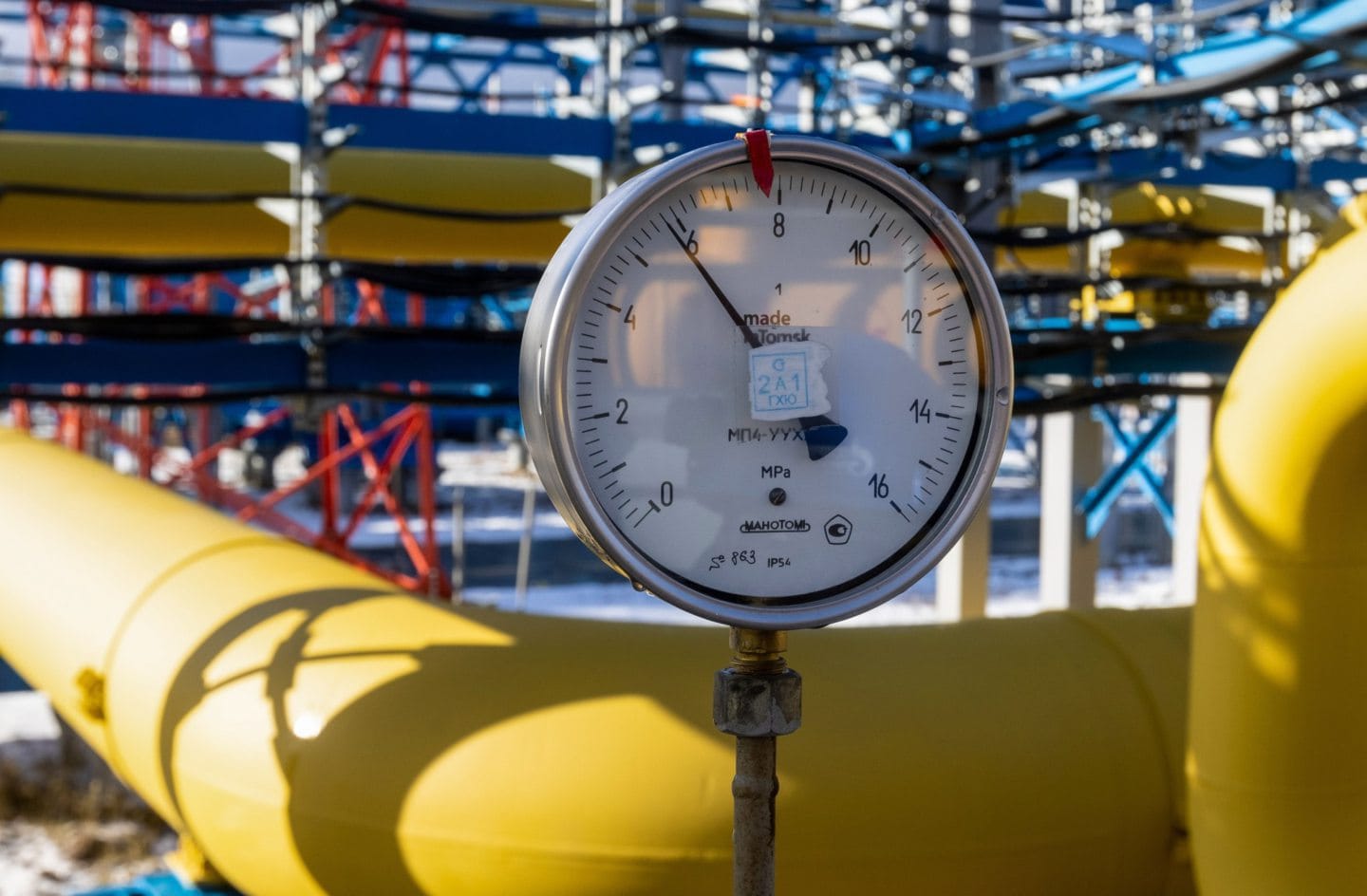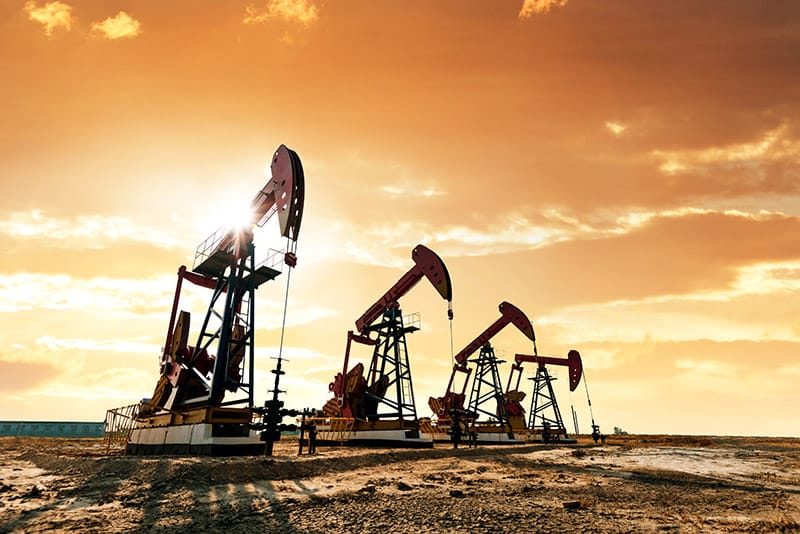
The global oil market is witnessing a notable surge in prices following the announcement of new sanctions by the United States, which are designed to restrict Russian oil exports to key markets in China and India. This development comes amid heightened geopolitical tensions and ongoing conflicts that have prompted the US and its allies to take decisive action against Russia’s economic interests.
The sanctions, which were unveiled by the US Treasury Department, aim to target entities involved in the transportation and sale of Russian oil. By limiting Russia’s ability to export its oil to major consumers like China and India, the US hopes to exert economic pressure on Moscow, thereby influencing its actions on the international stage. The sanctions are part of a broader strategy to isolate Russia economically and politically, particularly in light of its ongoing military operations in Ukraine and other regions.
As news of the sanctions broke, oil prices reacted swiftly, with benchmark crude oil futures rising sharply. Analysts attribute this increase to concerns over potential supply disruptions, as Russia is one of the world’s largest oil producers. The prospect of reduced Russian oil flowing into the global market has led to fears of tighter supply, which in turn drives prices higher. Market participants are now grappling with the implications of these sanctions, as they could lead to a significant shift in the dynamics of global oil supply and demand.
China and India are two of the largest consumers of oil globally, and their reliance on Russian oil has been a point of contention in international relations. Both countries have historically maintained strong ties with Russia, and any disruption to their oil supply could have serious economic repercussions. The US sanctions are likely to force these nations to reevaluate their energy strategies and seek alternative sources of oil, which could further complicate the global energy landscape.
In addition to the immediate impact on oil prices, the sanctions could also have longer-term effects on the global energy market. As countries seek to diversify their energy sources away from Russian oil, there may be increased competition for supplies from other oil-producing nations. This could lead to a reconfiguration of trade relationships and alliances, as countries navigate the complexities of energy security in a rapidly changing geopolitical environment.
The sanctions are not without their challenges, however. While the US aims to limit Russian oil exports, it must also consider the potential backlash from countries that rely on Russian energy. The delicate balance of power in the global oil market means that any significant changes could have ripple effects that extend beyond the immediate parties involved. For instance, if China and India turn to other suppliers to meet their energy needs, it could create opportunities for other oil-producing nations, but it could also lead to increased tensions in regions where those suppliers are located.
Furthermore, the effectiveness of the sanctions will depend on the willingness of other countries to comply with US directives. Some nations may be reluctant to sever ties with Russia, particularly if they have longstanding economic relationships or if they are heavily dependent on Russian energy supplies. This could undermine the impact of the sanctions and allow Russia to continue exporting oil to certain markets, albeit at potentially reduced volumes.
As the situation unfolds, market analysts will be closely monitoring the response of oil prices and the broader implications for the global economy. The interconnectedness of the oil market means that any significant changes in supply or demand can have far-reaching consequences, affecting everything from consumer prices to inflation rates. The current surge in oil prices serves as a reminder of the volatility inherent in the energy sector and the complex interplay of geopolitical factors that can influence market dynamics.
In conclusion, the recent US sanctions aimed at curbing Russian oil supplies to China and India have triggered a notable increase in oil prices, reflecting concerns over potential supply disruptions. As the global energy landscape continues to evolve in response to geopolitical tensions, the long-term implications of these sanctions will be closely watched by market participants and policymakers alike. The unfolding situation underscores the importance of energy security and the need for countries to navigate the complexities of international relations in an increasingly interconnected world.