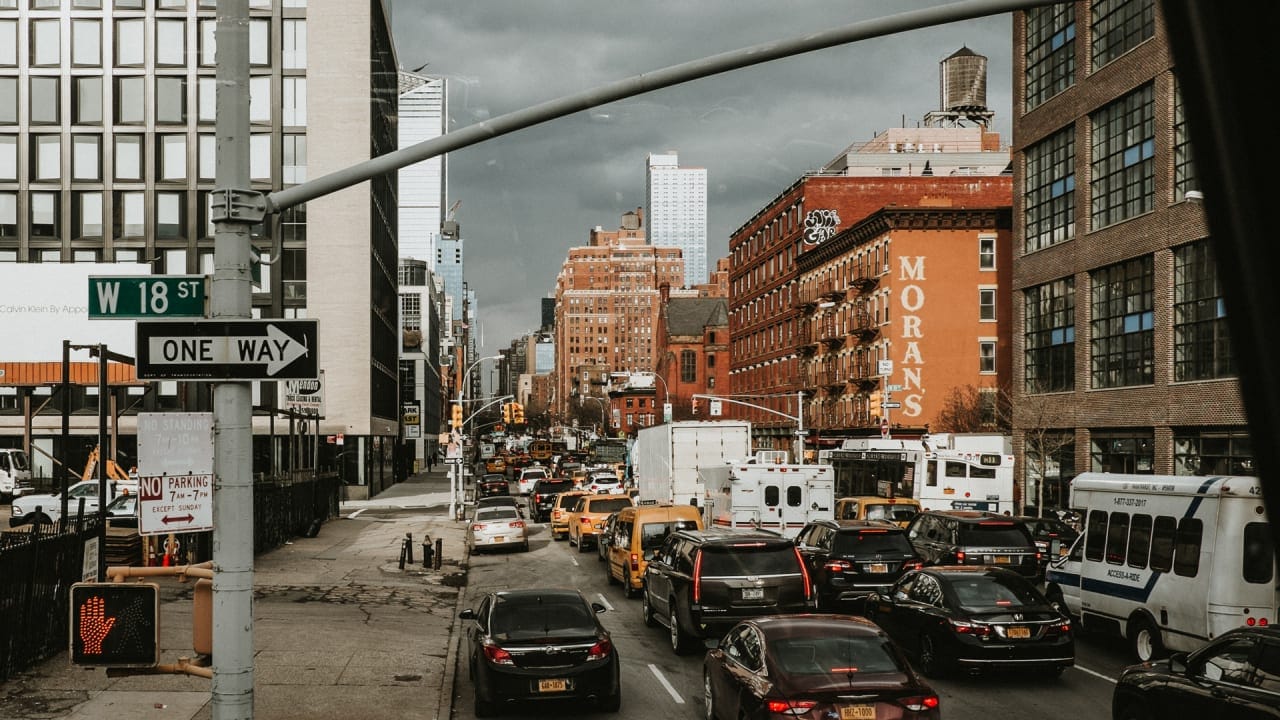
New York City is preparing to implement its long-anticipated congestion pricing program this Sunday, marking a significant shift in how the city manages traffic in its busiest areas. This initiative, which has been in the works for several years, is designed to reduce congestion in Manhattan’s central business district by charging vehicles that enter the area during peak hours. The program has garnered support from various stakeholders who believe it will not only ease traffic but also generate revenue for much-needed public transportation improvements.
The congestion pricing plan will impose fees on vehicles entering Manhattan below 60th Street during peak hours, which are typically defined as weekdays from 6 a.m. to 8 p.m. The exact fee structure has yet to be finalized, but it is expected to vary based on the type of vehicle and the time of entry. The implementation of this pricing strategy is part of a broader effort to address the growing concerns regarding traffic congestion in New York City, which has reached levels that many residents and officials find unsustainable.
Supporters of the program argue that congestion pricing is a necessary step toward modernizing the city’s transportation infrastructure. They contend that by incentivizing the use of public transit and discouraging unnecessary vehicle trips into Manhattan, the initiative will lead to reduced traffic congestion, improved air quality, and a more efficient transportation system overall. Additionally, the revenue generated from the congestion charges is expected to be directed toward funding public transit projects, which have been in dire need of investment.
However, the rollout of the congestion pricing initiative has not been without controversy. New Jersey officials have expressed strong objections to the plan, citing concerns over its potential impact on commuters traveling from New Jersey into New York City. Many New Jersey residents rely on personal vehicles to commute to work in Manhattan, and state leaders fear that the congestion fees could disproportionately affect them, leading to increased costs and potential changes in commuting patterns.
New Jersey Governor Phil Murphy has been vocal about his opposition to the congestion pricing plan, arguing that it could drive commuters away from public transit and exacerbate traffic issues in New Jersey. He has called for a comprehensive analysis of the program’s implications on cross-state travel and has urged New York City officials to consider the potential economic ramifications for New Jersey businesses that rely on customers traveling from the Garden State.
As the launch date approaches, New York City officials have reiterated their commitment to the congestion pricing initiative, emphasizing its role in creating a more sustainable urban environment. They have pointed out that similar programs in cities around the world have proven effective in reducing traffic congestion and improving public transportation systems. Proponents of the plan believe that the benefits will ultimately outweigh the challenges, leading to a more efficient and accessible city for all residents.
The implementation of congestion pricing is part of a larger trend among urban areas to explore innovative solutions to combat traffic congestion and enhance public transportation. Cities like London, Singapore, and Stockholm have successfully implemented similar initiatives, providing valuable case studies for New York City as it navigates this complex transition. These cities have reported reductions in traffic volumes, increased public transit ridership, and improved air quality as a result of their congestion pricing programs.
In anticipation of the launch, New York City has been actively engaging with the public to raise awareness about the congestion pricing initiative and its objectives. Information campaigns have been launched to educate residents and commuters about the program, including how the fees will be structured and how the revenue will be utilized. City officials are also encouraging the use of public transportation as an alternative to driving into Manhattan, highlighting the various transit options available to commuters.
As the congestion pricing program goes live this Sunday, it will undoubtedly be closely monitored by both supporters and detractors. The coming weeks will provide crucial insights into how the initiative impacts traffic patterns, commuter behavior, and the overall effectiveness of the program in achieving its intended goals. While the program is set to begin amid objections from New Jersey, its long-term success will depend on the city’s ability to adapt and address the concerns of all stakeholders involved.


