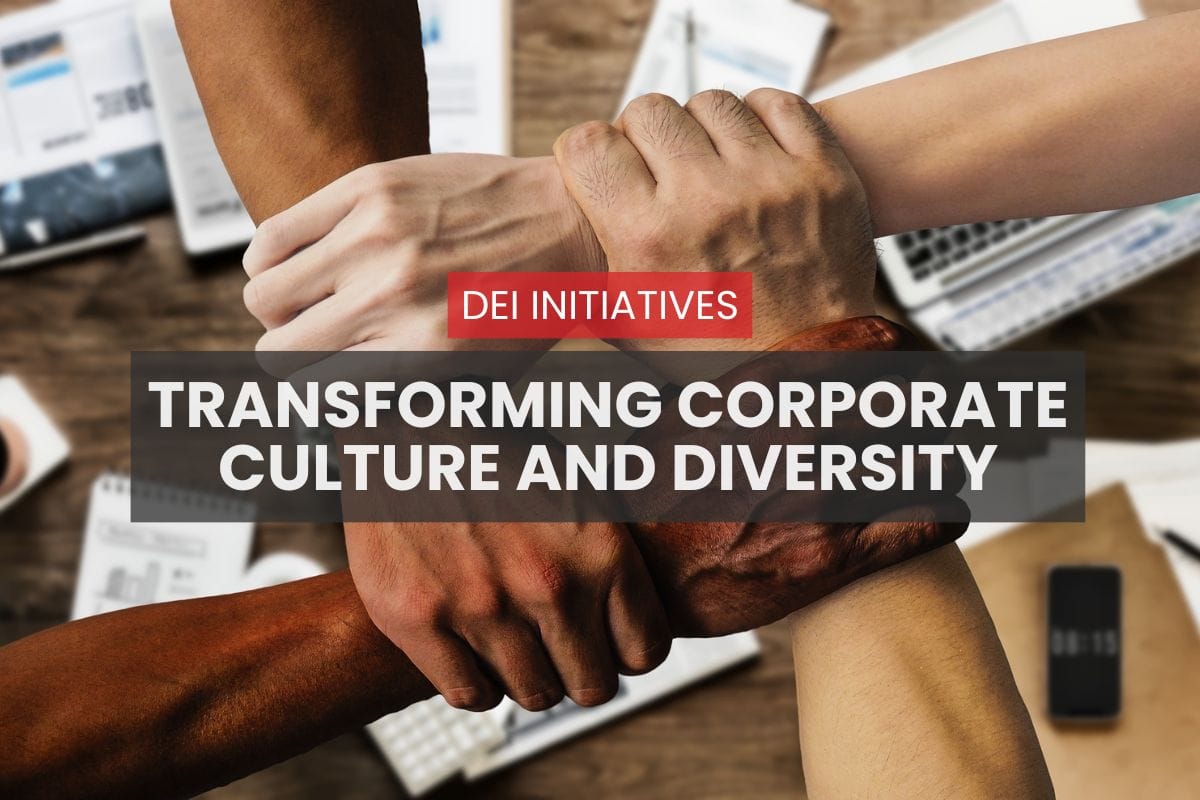
In recent developments, two of the largest technology companies in the world, Meta and Amazon, have made headlines by announcing a scaling back of their diversity initiatives. This decision comes at a time when political dynamics in the United States are shifting, particularly with the expected return of Donald Trump to the White House. The implications of this move are significant, as it reflects broader trends in corporate America regarding diversity, equity, and inclusion (DEI) efforts.
Meta, the parent company of Facebook, Instagram, and WhatsApp, has been a prominent advocate for diversity in the tech industry. Over the past few years, the company has invested heavily in programs aimed at increasing representation of underrepresented groups within its workforce. These initiatives have included partnerships with organizations focused on promoting diversity in technology, as well as internal programs designed to foster an inclusive workplace culture. However, recent announcements indicate that Meta is reevaluating these efforts, citing a need to align its priorities with the changing political environment.
Similarly, Amazon has also been a leader in promoting diversity and inclusion within its ranks. The company has implemented various programs aimed at hiring and retaining a diverse workforce, as well as initiatives to support minority-owned businesses. However, with the political landscape shifting and the potential for changes in federal policies regarding corporate governance and social responsibility, Amazon has decided to scale back its diversity initiatives. This decision has sparked discussions about the future of corporate responsibility in the face of political pressures.
The timing of these announcements is particularly noteworthy, as they coincide with the anticipated return of Donald Trump to the political forefront. Trump’s previous administration was marked by a contentious relationship with diversity initiatives, often criticizing corporate efforts to promote social justice and equity. As he prepares for a potential return to the White House, many corporations are reassessing their strategies in anticipation of a possible shift in federal policies that could impact their diversity programs.
Critics of the decision to scale back diversity initiatives argue that such moves undermine the progress made in recent years toward creating more inclusive workplaces. They contend that diversity is not only a moral imperative but also a business necessity, as diverse teams have been shown to drive innovation and improve company performance. The reduction of these initiatives may signal a retreat from the commitment to fostering an inclusive environment, which could have long-term consequences for both companies and their employees.
Supporters of the decision, on the other hand, may argue that companies need to be agile and responsive to the political climate. They may contend that in a rapidly changing environment, businesses must prioritize their resources and focus on areas that align with their core objectives. This perspective suggests that the scaling back of diversity initiatives is a strategic decision rather than a rejection of the principles of inclusion and equity.
As Meta and Amazon navigate this complex landscape, the broader implications for corporate America remain to be seen. The decisions made by these companies could set a precedent for others in the industry, influencing how businesses approach diversity and inclusion in the future. The potential for a shift in federal policies under a Trump administration could further complicate these efforts, as companies weigh the risks and benefits of maintaining robust diversity programs.
In conclusion, the scaling back of diversity initiatives by Meta and Amazon highlights the intersection of corporate responsibility and political dynamics. As these companies adjust their strategies in response to the anticipated return of Donald Trump to the White House, the future of diversity efforts in corporate America hangs in the balance. The decisions made in the coming months will likely have lasting implications for the workforce and the broader societal commitment to equity and inclusion.