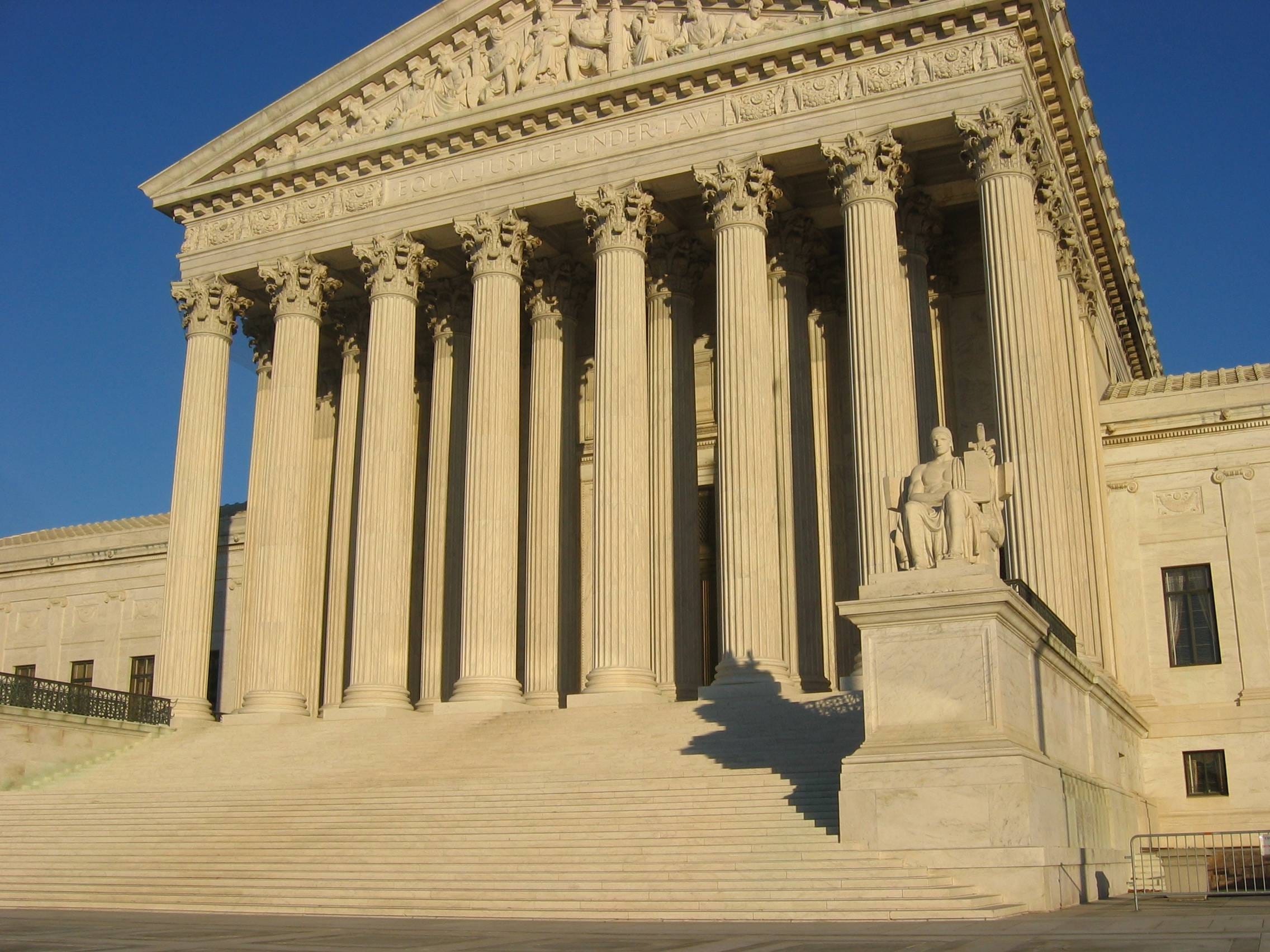
The U.S. Department of Justice (DOJ) has taken a significant step by asking the Supreme Court to reinstate an antimoney laundering law that had been struck down by a lower court. This law is a vital component of the regulatory framework designed to prevent financial crimes, including money laundering, fraud, and the financing of terrorism. The DOJ’s request highlights the importance of robust financial regulations and the role they play in safeguarding the integrity of the financial system.
The antimoney laundering law in question was initially enacted to provide law enforcement agencies with the necessary tools to detect and prevent illicit financial activities. It required financial institutions to implement stringent reporting and compliance measures aimed at identifying suspicious transactions. However, a federal court ruling deemed certain provisions of the law unconstitutional, leading to concerns about the implications for law enforcement and national security.
In its petition to the Supreme Court, the DOJ argues that the lower court’s decision undermines the government’s ability to effectively combat financial crimes. The DOJ contends that the antimoney laundering law is essential for maintaining the stability of the financial system and protecting the economy from the adverse effects of money laundering and related criminal activities. The department emphasizes that the law not only serves to deter financial crimes but also enhances the government’s ability to investigate and prosecute offenders.
The reinstatement of the antimoney laundering law is particularly timely given the increasing sophistication of financial crimes. Criminal organizations are continually evolving their methods to exploit weaknesses in the financial system, making it imperative for law enforcement agencies to have access to comprehensive regulatory tools. The DOJ’s request reflects a broader commitment to adapt to the changing landscape of financial crime and ensure that law enforcement has the necessary resources to address emerging threats.
Legal experts anticipate that the Supreme Court’s decision on this matter could have far-reaching implications for the future of financial regulation in the United States. If the Court sides with the DOJ, it could pave the way for a more stringent enforcement of antimoney laundering laws, thereby reinforcing the government’s ability to combat financial crimes effectively. Conversely, if the Court upholds the lower court’s ruling, it may signal a shift in the balance of power between regulatory agencies and the financial institutions they oversee.
The case also raises important questions about the constitutional limits of regulatory authority. The lower court’s ruling was based on concerns regarding the potential overreach of government power in regulating financial institutions. As the Supreme Court considers the DOJ’s petition, it will need to carefully weigh the government’s interest in preventing financial crimes against the rights of individuals and businesses to operate without excessive regulatory burdens.
As the legal proceedings unfold, stakeholders in the financial sector are closely monitoring the situation. Financial institutions, compliance officers, and legal advisors are all keenly aware of the potential changes that could arise from the Supreme Court’s decision. The reinstatement of the antimoney laundering law could necessitate a reevaluation of compliance strategies and practices within the industry, as firms would need to ensure they are aligned with any new regulatory requirements.
Moreover, the implications of this case extend beyond the financial sector. The outcome could influence how other regulatory frameworks are developed and enforced in the future. As the government grapples with the challenges posed by financial crimes, the need for effective and enforceable regulations will remain a top priority. The Supreme Court’s ruling will likely serve as a precedent for future cases involving the intersection of regulatory authority and constitutional rights.
In conclusion, the DOJ’s request to the Supreme Court to reinstate the antimoney laundering law underscores the critical importance of maintaining a robust framework for combating financial crimes. As the legal battle unfolds, the implications for law enforcement, financial institutions, and regulatory practices are significant. The Supreme Court’s decision will not only determine the fate of the antimoney laundering law but also shape the future landscape of financial regulation in the United States.