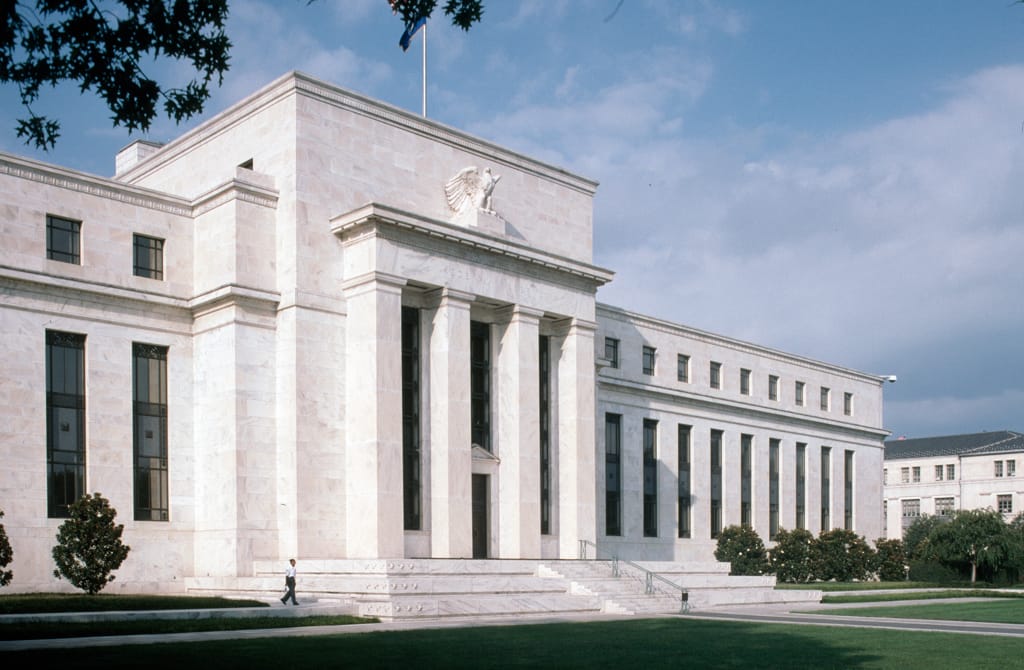
The Federal Reserve, the central banking system of the United States, plays a pivotal role in shaping the country’s economic landscape through its monetary policy decisions. As 2024 approaches its conclusion, the Fed’s final decision of the year is expected to have profound implications for interest rates in 2025. This decision will be influenced by various factors, including inflation rates, employment statistics, and overall economic growth, which are critical indicators that the Fed considers when determining its monetary policy.
Inflation has been a significant concern for the Federal Reserve in recent years. Following the economic disruptions caused by the COVID-19 pandemic, inflation rates surged to levels not seen in decades. The Fed’s primary mandate is to promote maximum employment and stable prices, and maintaining a balance between these two objectives is crucial. As 2024 comes to a close, the Fed will assess whether inflation has stabilized or if it continues to pose a threat to the economy. A higher inflation rate may prompt the Fed to raise interest rates to curb spending and bring prices under control, while a lower inflation rate might allow for a more accommodative stance.
Employment rates are another critical factor that the Federal Reserve considers in its decision-making process. The labor market’s health is a key indicator of economic stability, and the Fed closely monitors unemployment rates and job creation figures. If the labor market shows signs of strength, with low unemployment and robust job growth, the Fed may feel more comfortable increasing interest rates to prevent the economy from overheating. Conversely, if the job market shows weakness or stagnation, the Fed may opt for a more cautious approach, potentially keeping rates lower to stimulate growth.
In addition to inflation and employment, the overall economic growth trajectory will influence the Fed’s decisions. Economic indicators such as GDP growth, consumer spending, and business investment provide insights into the health of the economy. If economic growth is robust, the Fed may consider tightening monetary policy by raising interest rates. However, if growth appears sluggish, the central bank may choose to maintain or lower rates to encourage borrowing and investment.
The implications of the Fed’s decisions extend beyond the immediate economic environment. Changes in interest rates can have far-reaching effects on various sectors, including housing, consumer finance, and business investment. For instance, an increase in interest rates typically leads to higher borrowing costs for consumers and businesses, which can dampen spending and investment. This, in turn, may slow down economic growth and impact job creation. Conversely, lower interest rates can stimulate borrowing and spending, potentially leading to increased economic activity.
Market participants, including investors and economists, closely watch the Fed’s actions and statements for guidance on future interest rate movements. The central bank’s communication strategy is essential in managing market expectations and ensuring financial stability. Any indication of a shift in policy can lead to volatility in financial markets, as investors adjust their portfolios in response to anticipated changes in interest rates.
As the Federal Reserve approaches its final decision of 2024, analysts are evaluating various scenarios that could unfold in 2025. Some experts predict that the Fed may take a more hawkish stance if inflation remains elevated, while others believe that a more dovish approach could be warranted if economic growth falters. The uncertainty surrounding these decisions underscores the complexity of monetary policy and the challenges faced by the Fed in navigating an ever-changing economic landscape.
In conclusion, the Federal Reserve’s last decision in 2024 is likely to set the tone for interest rate movements in 2025. As the central bank grapples with the dual mandates of controlling inflation and fostering employment, its policy choices will have significant implications for the economy. Stakeholders across various sectors will be closely monitoring the Fed’s actions, as the outcome will influence borrowing costs, consumer behavior, and overall economic growth in the year to come. The interplay of inflation, employment, and economic growth will remain central to the Fed’s decision-making process, shaping the financial landscape for years ahead.