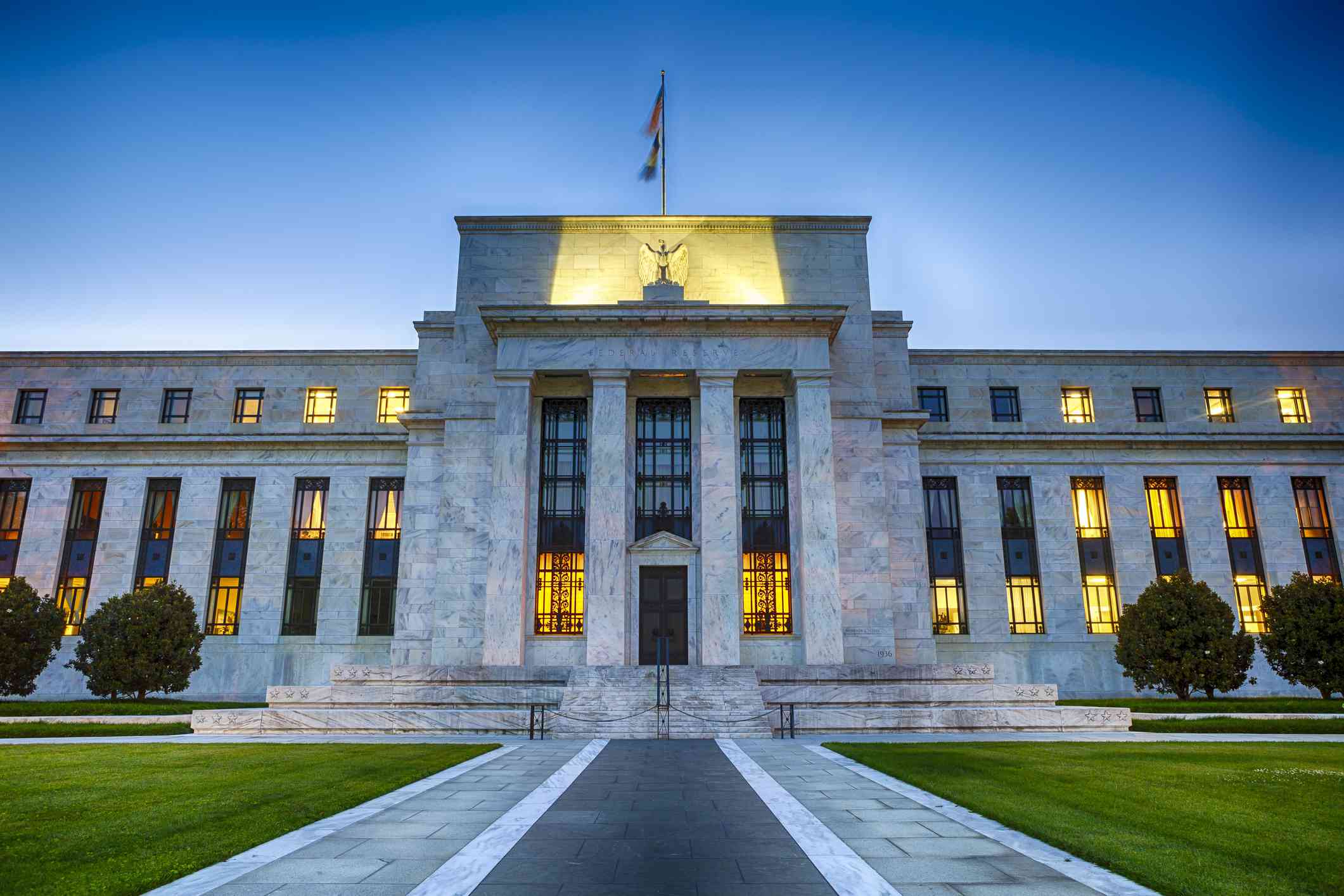
The Federal Reserve, the central banking system of the United States, is expected to implement another interest rate cut in the near future. According to various economists and financial analysts, the anticipated monetary easing comes as part of the Fed’s ongoing efforts to address fluctuating economic conditions and support sustainable growth. Following a series of rate increases over the past few years, analysts suggest that this forthcoming reduction may be a strategic move to recalibrate policy in response to evolving economic indicators and the overall economic environment.
The backdrop against which this potential decision is being made includes a variety of factors, including inflation rates, employment statistics, and broader economic trends. In recent months, inflation has shown signs of moderation, which has prompted discussions among Fed officials and market participants about the appropriate monetary response. Lower inflation rates can create an environment where the central bank feels more at liberty to reduce rates without exacerbating price pressures.
Another key consideration is the labor market. The federal job reports have indicated a generally resilient employment landscape, albeit with some fluctuations in specific sectors. Economists monitor these trends closely, as significant changes in employment levels can influence the Fed’s decision-making process. For example, sustained job growth or a notable uptick in wages may suggest a healthy economy, potentially mitigating the need for aggressive rate cuts. Conversely, signs of economic distress or rising unemployment could prompt the Fed to lessen rates more swiftly.
The anticipated rate cut is expected to take place before the Fed enters a phase of slowing its monetary policy further in 2025. This timeline is significant, as it aligns with broader economic projections regarding growth and inflation. Many experts assert that the Fed’s gradual approach will reflect ongoing assessments of economic data and trends, as they seek to balance the dual mandate of fostering maximum employment and stable prices.
Financial markets have begun to adjust their expectations in anticipation of this potential monetary easing. Bond yields, particularly on shorter-dated securities, have fluctuated in response to speculation regarding Fed policy. Investors are closely monitoring signals from the Fed, including statements from Federal Reserve officials and key economic indicators, to gauge the likelihood of a rate reduction and the timing of future moves.
Moreover, the Fed’s communication strategy will be a critical component of its approach moving forward. Clear messaging regarding the rationale behind any changes in interest rates will be essential for maintaining market stability and managing expectations. The Fed’s ability to articulate its policy framework will significantly influence how investors react to upcoming decisions.
Beyond the immediate impact on financial markets and economic activities, the repercussions of the Federal Reserve’s interest rate decisions extend into various sectors of the economy. Lower interest rates can alleviate borrowing costs for consumers and businesses alike, stimulating spending and investment. This can be particularly beneficial for industries that rely heavily on credit, including housing, automotive, and small business sectors.
However, economists also caution that rate cuts are not without potential drawbacks. While lower rates may support economic growth in the short term, prolonged periods of low interest rates can lead to asset bubbles and increased financial instability. Policymakers must strike a delicate balance between supporting growth and mitigating the risks associated with excessive borrowing and speculative investments.
As the Fed prepares for its upcoming policy meeting, the current economic landscape presents both opportunities and challenges. Market participants will be watching closely for any new developments that could potentially shape economic forecasts. The Fed’s decision-making process will be informed not only by current economic conditions but also by their perspective on future risks and trends.
Looking ahead to 2025, there is widespread consensus among economists that the Fed will begin to slow the pace of its monetary policy changes. However, predicting the exact timing and nature of these adjustments remains complex due to the interplay of numerous economic factors. Policymakers will need to consider the macroeconomic landscape, global events, and their potential impacts on the U.S. economy as they chart the course for future rate adjustments.
In conclusion, the Federal Reserve’s anticipated rate cut serves as an important signal of the central bank’s responsiveness to evolving economic conditions. As policymakers navigate the complexities of the current macroeconomic environment, decisions will reflect a careful weighing of various factors, including inflation trends, labor market dynamics, and broader economic indicators. While the prospect of a rate cut presents opportunities for stimulating growth, the Fed must also remain vigilant to ensure economic stability over the long term. The coming months will undoubtedly be a critical period for economic watchers as they anticipate the Fed’s next moves and monitor the broader implications for the U.S. economy.