The Federal Open Market Committee (FOMC), the monetary policy-making arm of the Federal Reserve System, has recently released its latest statement. This document provides a comprehensive overview of the committee’s evaluation of the current economic climate and its subsequent decisions on monetary policy. The FOMC’s statements are closely scrutinized by economists, financial analysts, and investors alike, as they offer vital insights into the central bank’s thinking and its intended trajectory for managing the economy. The committee is composed of the seven members of the Board of Governors, the president of the Federal Reserve Bank of New York, and four of the remaining eleven Reserve Bank presidents on a rotating basis. These individuals collectively determine the appropriate course of action regarding monetary policy, always with the aim of achieving the Federal Reserve’s dual mandate of promoting maximum employment and price stability.
The statement begins by outlining the current state of the U.S. economy, typically referencing a range of economic indicators. These often include data on employment levels, unemployment rates, and the participation rate within the labor market. Details regarding inflation are also central to the statement. The committee analyzes various measures of inflation, including the Consumer Price Index (CPI) and the Personal Consumption Expenditures (PCE) Price Index, to assess whether inflation is trending toward the desired levels, generally considered to be 2%. The report also addresses broader economic growth by considering factors like gross domestic product (GDP) expansion, manufacturing activity, and consumer spending. The FOMC then states its overall assessment of the state of the economy, and the outlook as they currently perceive it. This assessment serves as the foundation for the committee’s decisions related to interest rates and other monetary policy tools.
The focal point of the FOMC statement is often the announcement of any changes to the federal funds rate target range. The federal funds rate is the interest rate at which commercial banks lend each other money overnight, and it serves as a critical benchmark for many other interest rates in the economy. Adjustments to this rate have a ripple effect throughout the financial system, impacting the cost of borrowing for businesses and consumers and ultimately affecting economic activity. The committee’s decision to raise, lower, or maintain the target range is determined by the committee based on its interpretation of the current and anticipated economic conditions. When inflation is rising, the committee may choose to increase the federal funds rate to cool down the economy. Conversely, when economic growth is slow, the committee may lower the rate to encourage borrowing and spending. The FOMC may also comment on its holdings of Treasury and agency mortgage-backed securities, commonly referred to as Quantitative Tightening (QT) or Quantitative Easing (QE).
Beyond immediate decisions, the FOMC statement provides forward guidance on the committee’s future policy intentions. The committee may signal its future interest rate outlook, indicating whether it anticipates additional rate changes are needed. This forward guidance is intended to manage market expectations and to provide a degree of certainty to market participants regarding future monetary policy. This helps to reduce uncertainty and promote more stable conditions in financial markets. These statements also may indicate that future decisions will be data dependent, meaning the FOMC may wait for additional economic reports before taking action. The statement’s language may be interpreted as either “hawkish” or “dovish.” A “hawkish” tone suggests the committee is inclined toward tightening monetary policy, typically to combat inflation. A “dovish” tone implies a preference for easing monetary policy to support economic growth.
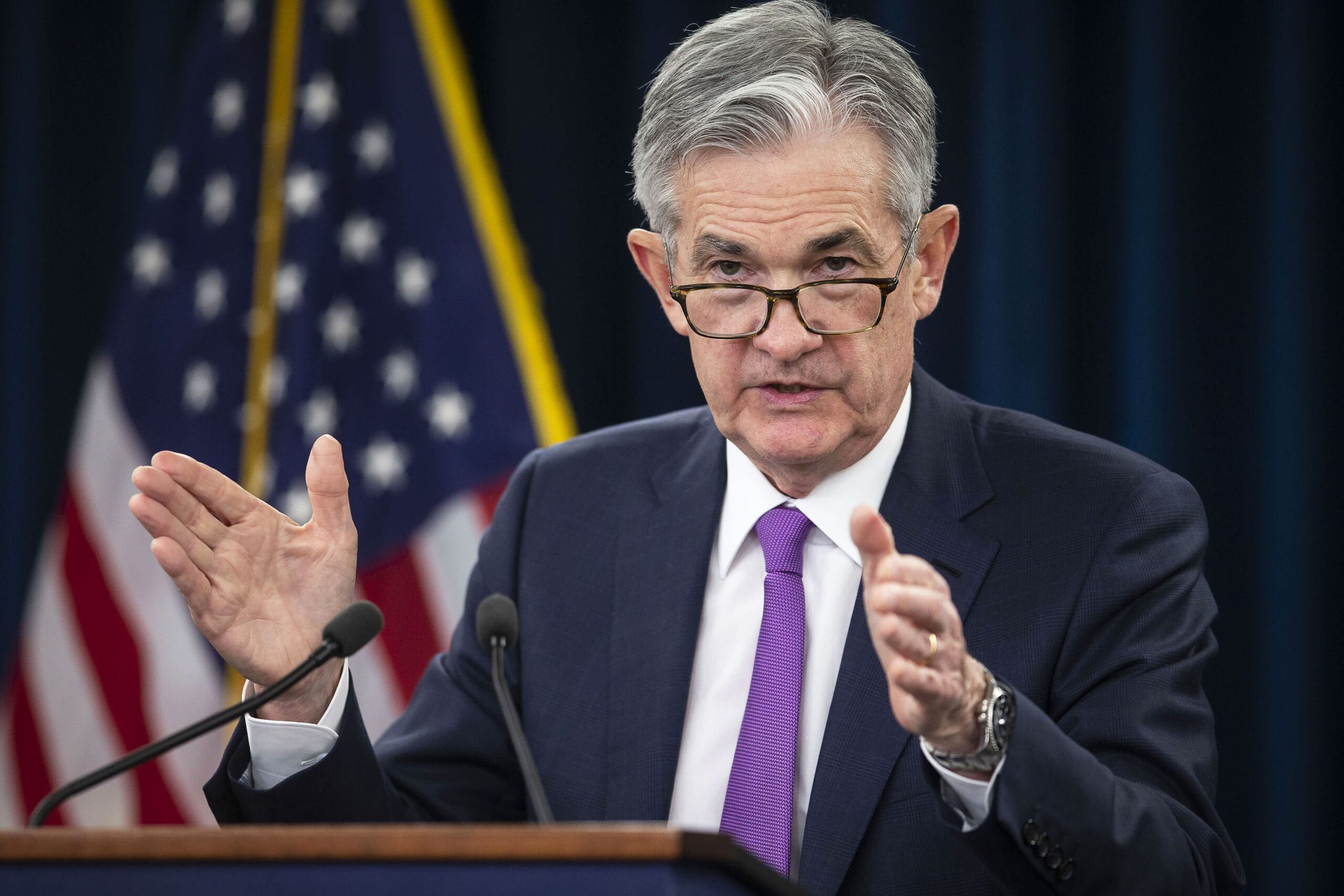
The full statement is released to the public after the conclusion of each regularly scheduled FOMC meeting. The release of the statement is typically followed by press conferences from the Chair of the Federal Reserve, who provides additional context and insight into the Committee’s decisions and thinking. The FOMC statement is of great importance to the global financial community, and this scrutiny is due to the Federal Reserve’s role in maintaining economic stability in the United States. The FOMC has a tremendous influence over the U.S. economy, and its decisions impact not just the United States but many other nations as well. The FOMC is tasked with balancing the dual goals of maximum employment and stable prices. This delicate balancing act requires careful attention and adjustments to policy based on the evolution of the economy.