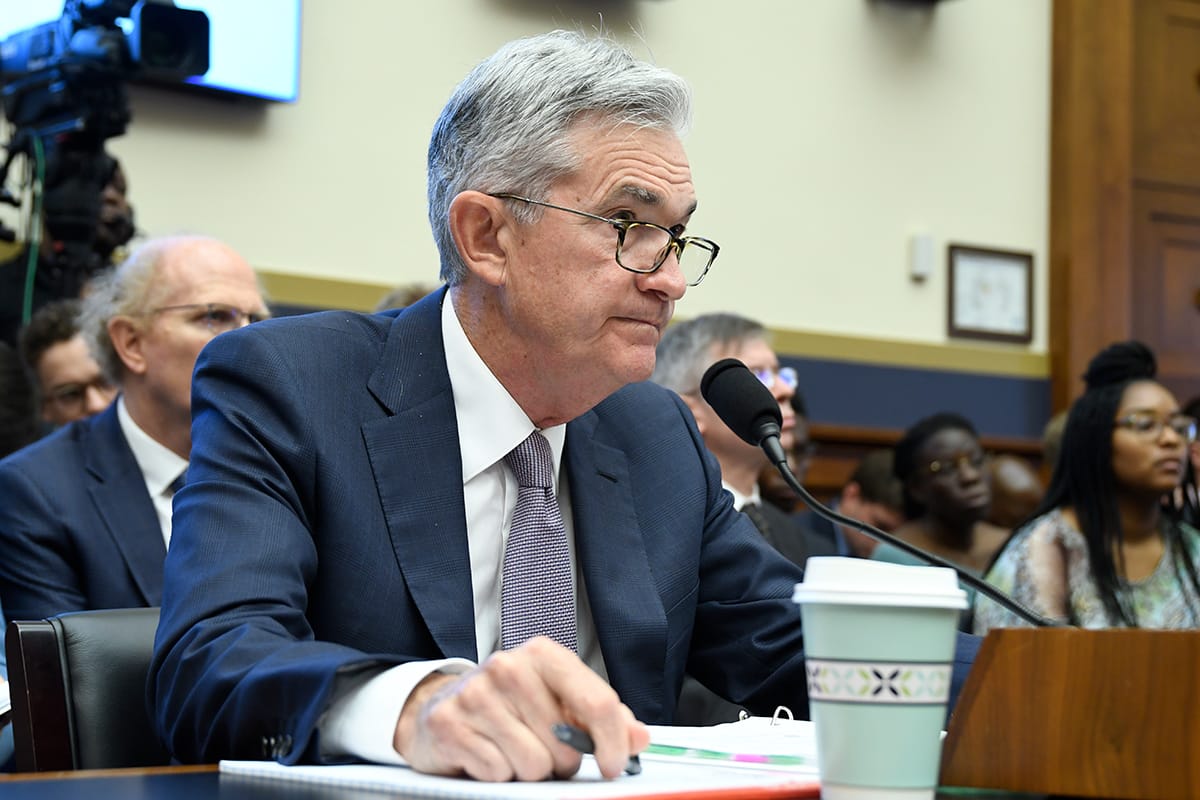
The Federal Open Market Committee (FOMC), the monetary policy-making body of the Federal Reserve System, has released its latest statement following a recent meeting. These statements are closely scrutinized by economists, financial market participants, and the public alike, as they provide insights into the Federal Reserve’s view of the economy and its intentions regarding monetary policy. The FOMC is comprised of twelve members, including the seven members of the Board of Governors of the Federal Reserve System, the president of the Federal Reserve Bank of New York, and presidents of four other Federal Reserve Banks, who serve on a rotating basis. The committee meets approximately eight times per year to assess the economic landscape and make decisions aimed at achieving the Federal Reserve’s dual mandate of maximum employment and price stability. The statement typically begins with an overview of current economic conditions, including indicators like Gross Domestic Product (GDP) growth, employment figures, and inflation rates. The committee evaluates both incoming data and future projections, which are often informed by forecasts from the Federal Reserve’s staff economists. This assessment forms the basis for the FOMC’s policy decisions. A central component of the statement is the committee’s decision regarding the federal funds rate, which is the target rate for overnight lending between banks. The FOMC can choose to maintain, increase, or decrease the target range depending on its view of the economy and its policy goals. Changes to the federal funds rate can influence interest rates across the financial system, thereby affecting borrowing costs for consumers and businesses. In addition to the federal funds rate, the statement may also address other aspects of monetary policy, such as the pace of asset purchases, a process commonly referred to as quantitative easing or quantitative tightening. These purchases or sales of government securities, or other assets, impact the money supply and can influence longer-term interest rates. The statement also typically includes forward guidance, which is the committee’s communication regarding its expectations for the future path of monetary policy. This guidance can provide clues to investors about the likely direction of interest rates and other policy tools. The forward guidance may be conditional, stating that policy will depend on the evolution of economic data. Therefore, the language used in the statement can be as important as the actual policy decisions, as it can shape market expectations. Following the release of the statement, it is common for the Federal Reserve chairman or chairwoman to hold a press conference. During this conference, they often expand upon the FOMC’s decisions and respond to questions from journalists. This provides an opportunity for the chair to offer additional context for the statement and further clarify the Federal Reserve’s stance on various economic issues. The interpretation of the FOMC statement can be challenging, due to the nuanced language used, which attempts to balance communication with policy objectives. Financial markets tend to react strongly to these statements, with changes in equity prices, bond yields, and currency values often being seen immediately after the statement is released. Economists and financial analysts spend considerable time analyzing the language used in the statement, often looking for subtle shifts in tone or changes in wording that may signal future policy changes. The FOMC statement reflects the central role of the Federal Reserve in influencing the economic direction of the United States. Its primary goal is to maintain a stable financial system, manage employment and maintain price stability. The committee’s assessment of current economic conditions and their response through monetary policy is carefully examined, not only by domestic market participants but also by international observers. Because changes in US interest rates have ripple effects throughout the global financial system, the FOMC’s decisions impact economies worldwide. The Federal Reserve’s policy decisions are not made in isolation but are based on a rigorous analysis of economic data, insights from a vast network of economists and feedback from market participants. Through their official statements, the Federal Reserve aims to inform the public about their view of the economy and their plans to pursue their dual mandate. The statement serves as a crucial source of information for anyone trying to understand the Federal Reserve’s role and the state of the US economy. The latest statement will be closely reviewed and discussed for its implications on future economic activity and financial markets.
Federal Open Market Committee Releases Latest Statement