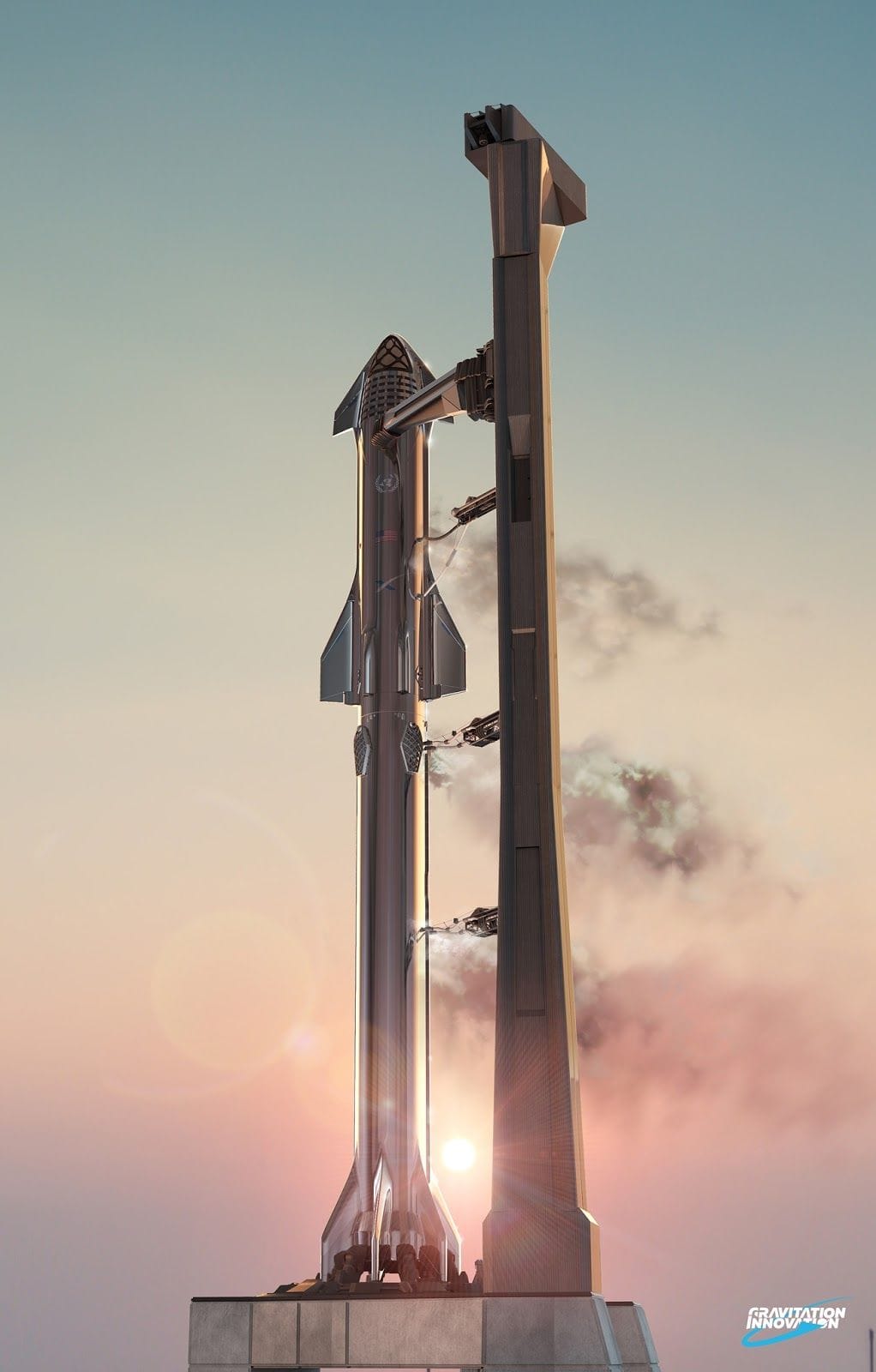
In a notable development within the aerospace landscape, federal authorities are poised to grant approval for SpaceX’s acquisition of another military launch pad. The decision, which is expected to be finalized in the coming months, represents a significant shift in the dynamics of both the commercial space industry and military operations. This expansion aligns with SpaceX’s ongoing ambition to broaden its footprint in the space sector, particularly given its recent successes in launching payloads for both government and commercial clients.
The military launch pad in question has been of considerable strategic importance, having served various missions over the years. Its selection by SpaceX reflects both the company’s growing capabilities and the increasing reliance of military operations on private aerospace firms. The Federal Aviation Administration (FAA) and other regulatory bodies have been closely examining the implications of this acquisition, including safety, environmental concerns, and national security aspects. The approval process has involved extensive discussions about how this transition will impact existing operations and future military missions from the site.
One of the key factors contributing to the anticipated approval is SpaceX’s established track record. The company has built a reputation for successfully launching satellites and cargo to the International Space Station, as well as transporting astronauts as part of NASA’s Commercial Crew Program. With these accomplishments, SpaceX has gained substantial credibility, fostering a sense of trust among federal regulators regarding its capacity to manage military missions effectively.
The acquisition of the military launch facility reflects a broader trend where the Department of Defense and other military branches are increasingly collaborating with private aerospace companies. This shift emphasizes a new model of public-private partnerships, where commercial enterprises play a crucial role in supporting national defense objectives. As military needs evolve, the integration of commercial capabilities is intended to enhance efficiency and lower costs for the government.
Moreover, the acquisition may lead to increased operational flexibility for SpaceX. With additional launch infrastructure, the company could diversify its services, offering more scheduling options for military satellites, thereby reducing wait times for launches. This could be particularly beneficial for time-sensitive missions critical to national security.
Environmental assessments related to the facility’s operation have also been a critical component of the approval process. Federal regulators have indicated that they are closely monitoring environmental impacts potentially related to increased launch activity. SpaceX has been proactive in addressing environmental concerns, implementing technologies aimed at minimizing the ecological footprint of its operations. These steps have likely played a role in facilitating a positive review process by regulatory authorities.
Another aspect worth considering is the geopolitical context in which this acquisition is taking place. The role of space has become increasingly pivotal in global security dynamics, with countries recognizing the importance of maintaining advanced capabilities in space. The United States has been focusing on enhancing its military presence in space as a response to emerging threats. By strengthening its collaboration with companies like SpaceX, the U.S. aims to ensure that it remains at the forefront of space defense technologies and strategies.
Additionally, there is an economic dimension to this development as well. SpaceX’s continued growth and expansion signify a positive trend for job creation within the aerospace sector. The company has been hiring thousands of employees across various areas, including engineering, manufacturing, and support services. This expansion at military launch pads may further drive local economies, fostering a collaborative environment between private industry and the public sector.
While the approval appears imminent, the exact finalization timeline remains dependent on comprehensive assessments and potential public feedback. Stakeholders, including community members and environmental groups, may voice concerns or support through the appropriate channels, contributing to a more transparent process. The input from these groups will be vital in ensuring that the partnership between SpaceX and military operations benefits all parties involved while addressing community concerns.
In conclusion, the anticipated federal approval for SpaceX’s takeover of a military launch pad marks a significant milestone in the intersection of commercial space exploration and military operations. This decision underscores the evolving landscape of aerospace, where the partnership between private companies and government entities plays an increasingly crucial role in achieving strategic objectives. As regulators finalize their assessments, the implications of this acquisition will likely resonate across the aerospace sector and military domains for years to come.