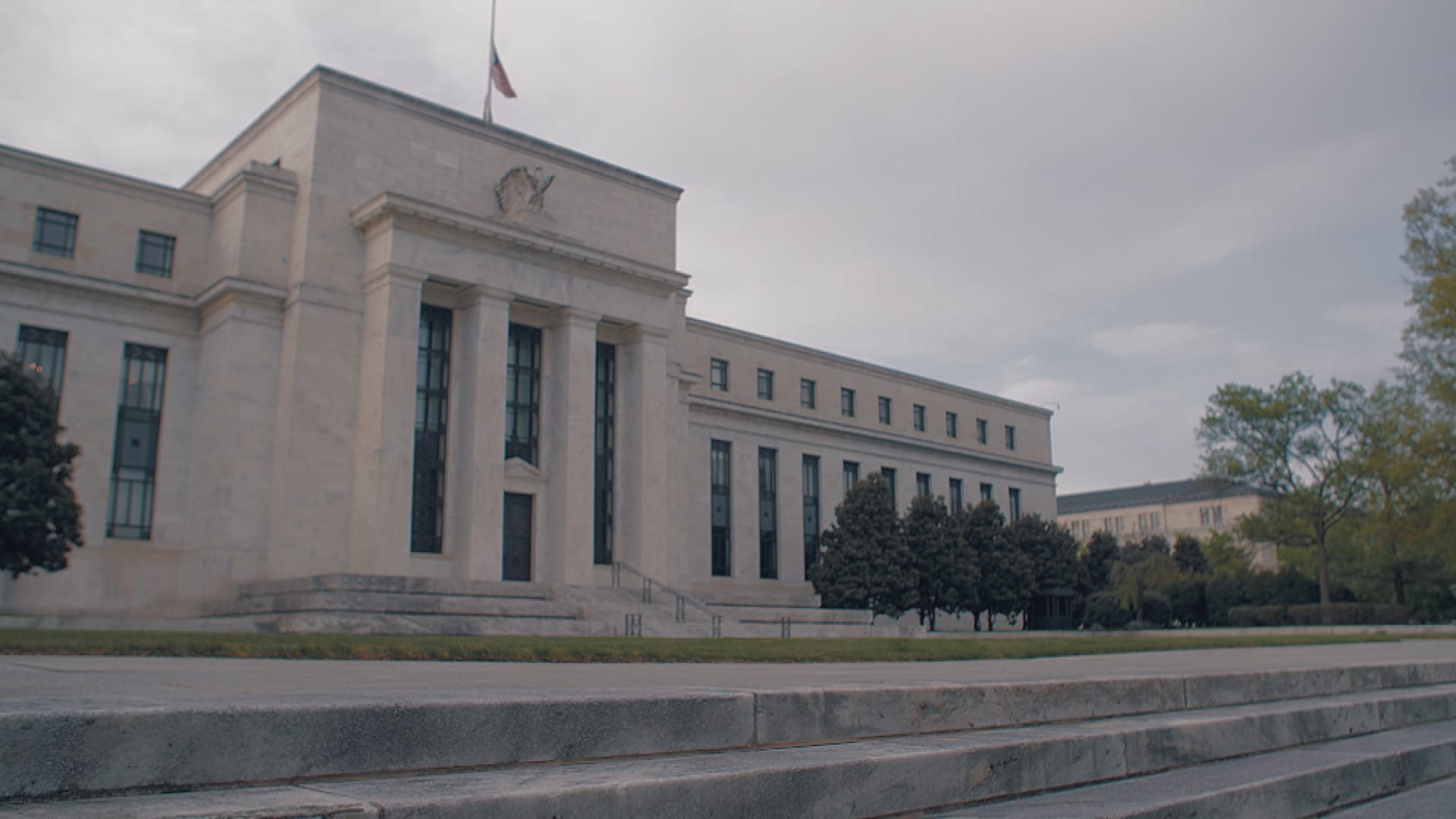
The financial landscape witnessed a severe downturn as the Dow Jones Industrial Average plummeted more than 1,100 points in reaction to the Federal Reserve’s recent adjustments to its monetary policy. This dramatic drop marks one of the largest single-day point declines in the history of the index, bringing to light the volatile nature of the current economic climate. Market analysts and investors alike are grappling with the implications of the Fed’s revised stance, which ultimately impacts both domestic and global financial markets.
In a highly anticipated policy meeting, the Federal Reserve communicated a more conservative approach regarding interest rate cuts, signaling a departure from previous expectations of aggressive monetary easing. The central bank emphasized its intention to maintain higher interest rates for an extended period, as it assesses ongoing indicators of economic activity and inflation trends. This pivot has raised concerns among investors about the potential for slowing economic growth, thereby leading to a reevaluation of investment strategies across various sectors.
The ramifications of the Fed’s decision were immediate and widespread, triggering significant selling pressure on Wall Street. The Dow’s decline was mirrored by other major indices, including the S&P 500 and the Nasdaq Composite, both of which also experienced steep losses. The uncertainty surrounding the Fed’s future actions has left many investors on edge, as they weigh the potential for further declines against the possibility of opportunities in a volatile market.
Economic factors contributing to the Fed’s stance include persistent inflation, which has remained higher than the central bank’s target. The core Consumer Price Index (CPI) continues to reflect upward pressure on prices, driven in part by supply chain disruptions and ongoing geopolitical tensions. The Fed’s dilemma hinges on balancing the need to curb inflation without stifling economic growth. This balance, or lack thereof, has become increasingly difficult to achieve as various economic indicators present mixed signals.
Market response to the Fed’s announcement illustrated widespread unease among investors. Many market participants evaluated the implications for consumer spending and business investment as the prospect of higher borrowing costs looms. The financial sector, in particular, experienced a notable decline, with bank stocks affected by the fear of reduced lending activity should interest rates remain elevated for an extended duration. The inability to attract a diversified portfolio of investments has raised further concerns about economic stability.
The Fed’s communication strategy has come under scrutiny as analysts debate the effectiveness of its messaging. The recent sharp sell-off signals a potential disconnect between the Fed’s outlook and investor sentiment. Many analysts argue that increased transparency regarding future monetary policy could help mitigate market volatility. As speculation continues, investors are keenly monitoring any signs of shifting narratives from the central bank.
In addition to domestic concerns, international markets have also reacted to the Fed’s decision. Global stocks have experienced similar downward pressure, influencing currencies and commodities worldwide. Investors are particularly wary of the ripple effects that elevated interest rates in the United States may have on emerging markets, which often rely on foreign capital for economic growth. A prolonged period of high rates could lead to significant challenges for these economies.
As the situation evolves, economists and market strategists are pondering what this latest market reaction signifies for the broader economy. While some believe that the drop may present a buying opportunity, others caution that further declines could be on the horizon as uncertainty persists. Corporate earnings reports in the coming weeks may provide pivotal insights into how businesses are adapting to the changing interest rate landscape, thus influencing investor decisions.
In summary, the Dow’s dramatic fall following the Federal Reserve’s modification of its interest rate strategy underscores the fragility of investor confidence in today’s economic environment. With inflationary pressures still prevalent and the Fed’s stance becoming increasingly cautious, market participants are bracing for continued volatility. As the financial community processes these developments, a close watch on forthcoming economic data and corporate performances will likely shape market trajectories in the coming months.