The latest report from the U.S. Bureau of Labor Statistics reveals a significant shift in the nation’s economic landscape. The Consumer Price Index (CPI), a widely tracked measure of the average change over time in the prices paid by urban consumers for a basket of consumer goods and services, has shown its largest increase in seven months. This increase signifies a broadening of inflationary pressures that go beyond isolated sectors, indicating a more systemic challenge for the American economy. While this data highlights an upward trend in overall consumer prices, there is also evidence of some cooling in specific areas, most notably in the rate at which rental costs are rising. This combination of factors presents a complicated picture for both policymakers at the Federal Reserve and the general consumer who is experiencing the effects of these shifts firsthand.
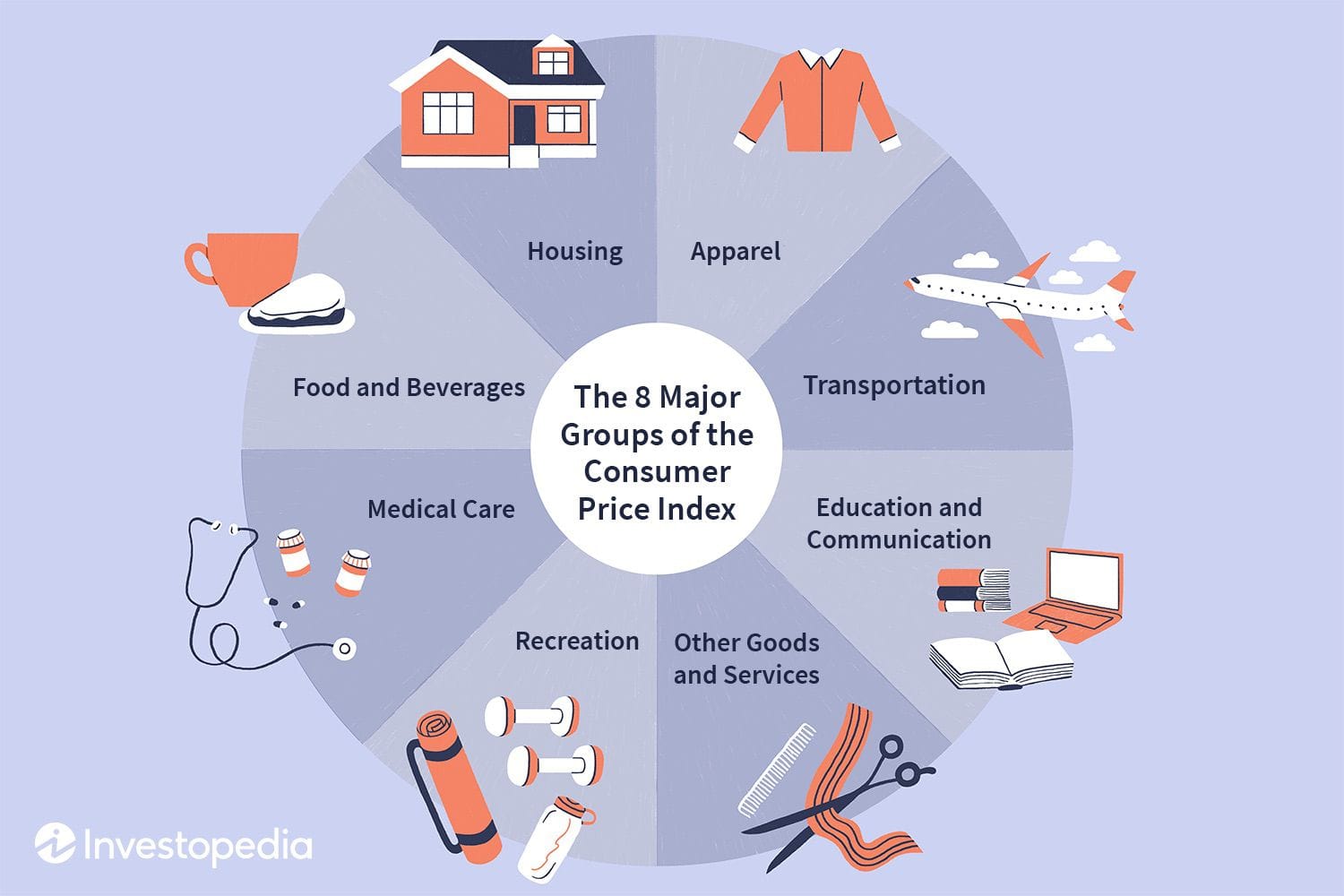
The CPI is not a monolithic measure; it is an aggregation of hundreds of individual price points from across the American economy. The most recent increase is largely driven by sectors beyond housing, including rising energy costs. This increase in energy prices can be seen in fuel prices at the pump, as well as increases in the cost of utilities. The ripple effects from these energy costs affect almost every other sector in the economy, driving up transportation, production and ultimately consumer prices. Food prices are also contributing to the overall CPI increase, reflecting ongoing issues in the supply chains, and also increased agricultural costs. These price pressures combined with the upward pressure on energy are the main drivers for the recent CPI increase.
One aspect of the report that is capturing attention is the deceleration of rental cost increases. For many months, rising rental costs have contributed significantly to the overall inflation figures, particularly in urban centers. The most recent figures show that while rental costs are still increasing, the rate of increase is slowing. This may be attributed to an increase in supply due to new construction projects, shifts in demand, or a combination of other factors.
The slowing in rental cost growth doesn’t erase the broader inflationary challenges. The combination of an overall price increase coupled with the deceleration of rental costs growth presents a complex scenario for the Federal Reserve. The Fed is navigating a delicate balancing act between combating inflation and avoiding an economic slowdown. The key policy tool at their disposal is the raising or lowering of the federal funds interest rate, the target rate that banks charge each other for overnight loans. In response to rising inflation, the Fed has been aggressively raising the interest rate, a process that in turn affects borrowing costs and overall economic activity. When interest rates increase, it becomes more expensive for individuals and businesses to borrow money, which is intended to slow down spending, thereby lowering inflation. However, if rates are raised too quickly it could push the economy into recession by overly curbing business activity and reducing consumer spending. The slowing growth of rent prices provides a somewhat mixed signal to the Fed. It signifies that the interest rate hikes are having an impact on the economy as intended, but the broader inflation shows the Fed is still far from their goal of keeping inflation under control.
The consequences of these economic trends are felt directly by the consumers. Increases in the prices of essential goods and services, such as energy, food and transportation, reduce their purchasing power. In addition, high interest rates affect borrowing costs, making it more expensive to buy a home, a car, or any items that would be bought using credit. The slowing in rental costs can provide some relief for renters, but the overall increase in the CPI means that even those with lower housing costs are feeling the inflationary pinch in other areas. For many American households, the rising costs and stagnant wages make it difficult to maintain their living standards. As long as prices remain high, consumers will be pressured to reduce their consumption or change their spending habits. This trend could impact businesses, as consumer demand is an important part of overall economic growth.
Economists are closely analyzing the data, trying to determine whether this uptick is a temporary anomaly or if it signifies a more persistent trend. Some argue that the recent spike is due to temporary supply chain issues and will naturally subside, while others believe the inflationary pressures will be more difficult to control. There are several factors that economists are considering: geopolitical instability, ongoing conflicts and the impact of climate change are all important influences on the economy. The effects of these broad global and societal issues cannot be disentangled from the data.
The slowing growth of rent costs is a signal that the housing market may be beginning to stabilize. After a long period of sustained price increases in the housing sector, the cooling of the rental market provides some evidence that the market may be adjusting. It should be noted that this slowing in rental growth is not uniform across the country, as regional differences are evident. Major cities have experienced a greater slowing of rental costs compared to more rural areas, which may not have had the same pressures from new construction or changes in demand. The data also highlights the continuing divergence between homeownership and rental markets. For those seeking to buy a home, higher interest rates and elevated prices continue to be a barrier, despite the recent moderation in rent costs.
Moving forward, the Federal Reserve will continue to closely monitor these economic trends as they consider future policy decisions. The balance between curbing inflation and avoiding an economic downturn will remain a focus of the Fed and other policymakers. Consumers, too, must navigate an economic environment where inflation remains persistent, impacting their budgets, and their everyday purchases.
The latest CPI data highlights the complexities of the current economic environment. The combination of rising overall prices alongside the moderation of rental increases indicates an economy undergoing adjustments, with both positive and negative implications for various sectors. The data presents a challenge for the Fed to create economic policies that effectively manage inflation without triggering a recession, all while trying to maintain financial stability. The American public is directly impacted by these economic indicators, as they navigate the day-to-day challenges of managing their budgets in an uncertain economic environment. This economic story is still unfolding, and further data releases will be important in determining the next direction of the economy.
The economic policies the government and the Federal Reserve undertake will be critical in determining the outcome. How those policies impact the economy will be the focus of consumers and observers going forward. As the data shows, the impact of the economic shifts is not only felt on a financial level, but also personally to all Americans. Whether it’s food, transportation, energy or housing, the current economic environment will influence every aspect of life. The government will need to focus on creating stable economic conditions for consumers, that will allow for prosperity without excessive price pressures. It is the government’s ability to balance policy, and consumer’s ability to manage their own finances, that will determine the next steps for the American economy.
The ongoing collection of data and analysis from the Bureau of Labor Statistics will continue to provide vital information, as economists attempt to understand this complex economic environment. In the meantime, consumers will need to navigate this uncertain economic environment, closely watching for further fluctuations in the prices of essential goods and services. It’s a complicated mix of news, and it’s uncertain how the next few months will play out in the broader economy.