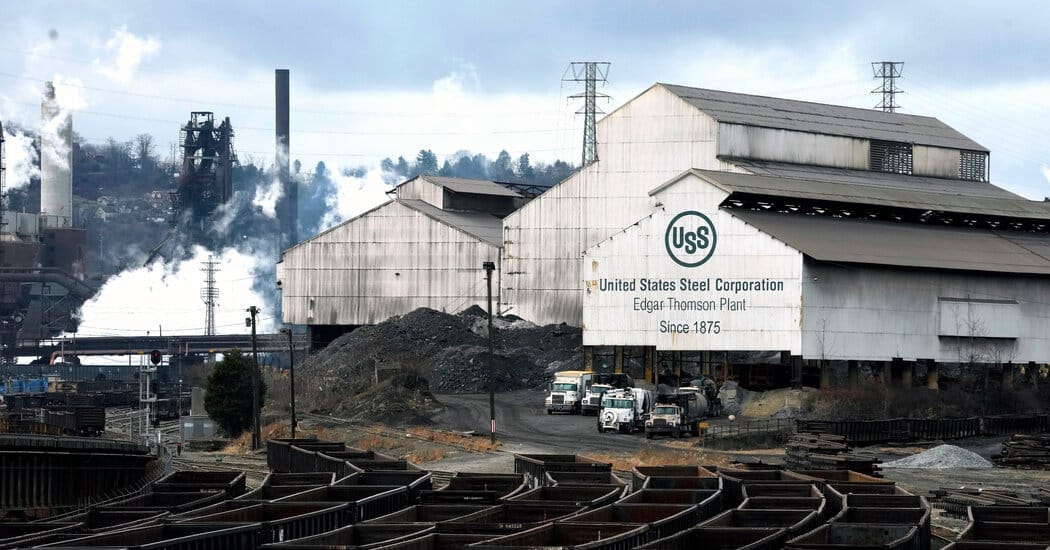
In a notable development within the steel industry, the Biden administration has officially blocked the proposed acquisition of U.S. Steel by Nippon Steel, a major player in the global steel market. This decision has sparked discussions surrounding the implications for both companies involved, as well as the broader economic landscape in the United States.
The proposed deal, which aimed to consolidate resources and operations between the two steel giants, was met with scrutiny from various stakeholders, including labor unions, industry analysts, and government officials. Concerns primarily revolved around the potential impact on American jobs and the competitive dynamics within the domestic steel market. The Biden administration’s decision reflects a broader strategy to prioritize American manufacturing and protect domestic industries from foreign consolidation that could threaten local employment.
U.S. Steel, headquartered in Pittsburgh, Pennsylvania, has been a cornerstone of the American steel industry for over a century. The company has faced numerous challenges in recent years, including fluctuating steel prices, increased competition from foreign producers, and the economic impacts of the COVID-19 pandemic. The proposed acquisition by Nippon Steel, which is based in Japan and is one of the largest steel manufacturers in the world, was seen as a potential lifeline for U.S. Steel, providing access to new resources and technologies.
However, the Biden administration’s intervention highlights the administration’s commitment to safeguarding American jobs and maintaining a competitive market. The decision aligns with the administration’s broader economic policies, which emphasize the importance of domestic manufacturing and the need to protect workers from the adverse effects of globalization. By blocking the acquisition, the administration aims to ensure that U.S. Steel remains an independent entity, capable of competing effectively in the global market while preserving American jobs.
The rejection of the Nippon Steel deal raises questions about the future of U.S. Steel and its ability to navigate the challenges it faces. The company may need to explore alternative strategies to enhance its competitiveness, such as investing in new technologies, improving operational efficiencies, and seeking partnerships that do not involve foreign ownership. Industry experts suggest that U.S. Steel may also need to focus on diversifying its product offerings and expanding its customer base to mitigate risks associated with market fluctuations.
For Nippon Steel, the blocked acquisition represents a setback in its efforts to expand its footprint in the United States. The company has been actively seeking opportunities to enhance its presence in the North American market, driven by the growing demand for steel in various sectors, including construction and automotive manufacturing. The rejection of the acquisition may prompt Nippon Steel to reevaluate its strategy and consider alternative avenues for growth in the region.
The decision also has broader implications for the steel industry as a whole. It serves as a reminder of the complexities involved in cross-border mergers and acquisitions, particularly in industries deemed critical to national security and economic stability. As governments around the world become increasingly vigilant about foreign investments, companies may face heightened scrutiny when attempting to enter new markets or acquire established players.
Labor unions have largely welcomed the Biden administration’s decision, viewing it as a victory for American workers. Unions have long advocated for policies that prioritize domestic manufacturing and protect jobs from being outsourced or diminished through foreign acquisitions. The rejection of the Nippon Steel deal aligns with these objectives and reflects a growing sentiment among workers and advocates for fair labor practices.
Looking ahead, the steel industry may experience increased regulatory scrutiny as governments assess the implications of foreign investments on national security and economic stability. Companies considering mergers or acquisitions may need to navigate a complex landscape of regulatory approvals and public sentiment, making it essential for them to engage with stakeholders and demonstrate a commitment to preserving jobs and contributing to local economies.
In conclusion, the Biden administration’s decision to block Nippon Steel’s proposed acquisition of U.S. Steel underscores the administration’s commitment to protecting American jobs and maintaining a competitive market. As both companies reassess their strategies in light of this development, the broader steel industry will likely face ongoing challenges and opportunities in a rapidly evolving global landscape. The implications of this decision will continue to unfold as stakeholders respond to the changing dynamics of the market.