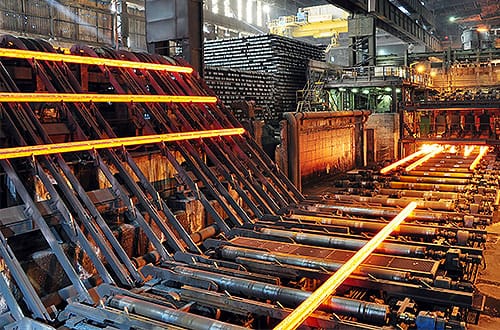
The Biden administration has recently made headlines with its decision to delay the enforcement of an order that would block the merger between Nippon Steel and U.S. Steel. This development has significant implications for the steel industry, as well as for the broader economic landscape in the United States. The proposed merger has been a topic of considerable debate, with various stakeholders weighing in on its potential impact.
Nippon Steel, one of Japan’s largest steel producers, has been seeking to expand its footprint in the U.S. market through this merger with U.S. Steel, a major American steel manufacturer. The merger is seen as a strategic move to enhance competitiveness in a global market that has been increasingly challenging for steel producers. However, the proposed deal has faced scrutiny from regulatory bodies concerned about its potential effects on competition and pricing in the steel industry.
The Biden administration’s decision to delay enforcement of the order blocking the merger reflects a complex interplay of factors. On one hand, there are concerns about market concentration and the potential for reduced competition, which could lead to higher prices for consumers and businesses that rely on steel products. On the other hand, there are arguments in favor of the merger, including the potential for increased efficiency, innovation, and the ability to better compete with foreign steel producers.
Companies involved in the merger have expressed their views on the situation, emphasizing the importance of regulatory clarity and the need for a balanced approach to antitrust enforcement. They argue that the merger could lead to significant benefits, including job creation, investment in new technologies, and improved supply chain resilience. Proponents of the merger also highlight the need for the U.S. steel industry to adapt to changing market conditions, including the rise of electric arc furnace technology and the increasing demand for sustainable steel production.
The delay in enforcement allows for further examination of the merger’s implications and provides an opportunity for stakeholders to engage in discussions about the future of the steel industry. It also reflects the administration’s commitment to a thorough review process, ensuring that all relevant factors are considered before making a final decision. This approach aligns with the administration’s broader goals of promoting fair competition while also supporting economic growth and job creation.
As the situation unfolds, industry analysts and observers will be closely monitoring the developments surrounding the merger. The outcome of this case could set important precedents for future mergers and acquisitions in the steel sector and beyond. It may also influence how regulatory bodies approach similar deals in the future, particularly in industries that are critical to national security and economic stability.
In conclusion, the Biden administration’s decision to delay the enforcement of the order blocking the Nippon Steel and U.S. Steel merger underscores the complexities involved in regulating major corporate transactions. As discussions continue, the focus will remain on balancing the need for competition with the potential benefits of consolidation in the steel industry. The outcome of this case will likely have lasting implications for the sector and could shape the regulatory landscape for years to come.


