The global energy landscape is undergoing a seismic shift as sweeping sanctions against Russia have thrown major Asian oil buyers into a state of turmoil. The sanctions, which were implemented in response to geopolitical tensions, have disrupted traditional supply chains and forced countries such as China, India, and Japan to reevaluate their energy procurement strategies. As these nations grapple with the implications of the sanctions, the ripple effects are being felt across the global oil market.
In recent years, Russia has emerged as a key player in the global oil market, supplying a significant portion of crude oil to Asia. Countries like China and India have relied heavily on Russian oil to meet their growing energy demands. However, the recent sanctions have created a complex web of challenges for these nations, as they must navigate the dual pressures of maintaining energy security while adhering to international regulations.
China, the world’s largest importer of crude oil, has found itself in a precarious position. The country has historically maintained a strong relationship with Russia, benefiting from discounted oil prices and a steady supply. However, with the sanctions in place, Chinese oil buyers are now faced with the prospect of rising prices and potential supply shortages. As a result, they are exploring alternative sources of crude oil, including increased imports from the Middle East and Africa. This shift not only reflects the immediate need to secure energy supplies but also highlights China’s long-term strategy to diversify its energy sources.
India, another major Asian oil buyer, is also feeling the impact of the sanctions. The country has been one of the largest importers of Russian oil, and the recent disruptions have forced Indian refiners to seek alternative suppliers. While India has expressed a desire to continue purchasing Russian oil, the complexities of the sanctions have made it increasingly difficult to do so without facing potential repercussions. As a result, Indian oil companies are actively seeking to strengthen ties with other oil-producing nations, including those in the Gulf region, to mitigate the risks associated with relying on Russian supplies.
Japan, which has historically depended on imports for its energy needs, is also facing challenges in the wake of the sanctions. The country has been working to reduce its reliance on fossil fuels and transition to renewable energy sources. However, the immediate need for oil has prompted Japanese companies to reassess their procurement strategies. With the sanctions in place, Japan is exploring options to secure oil from alternative markets, including the United States and other Southeast Asian nations. This shift not only reflects the urgency of the situation but also underscores Japan’s commitment to energy diversification.
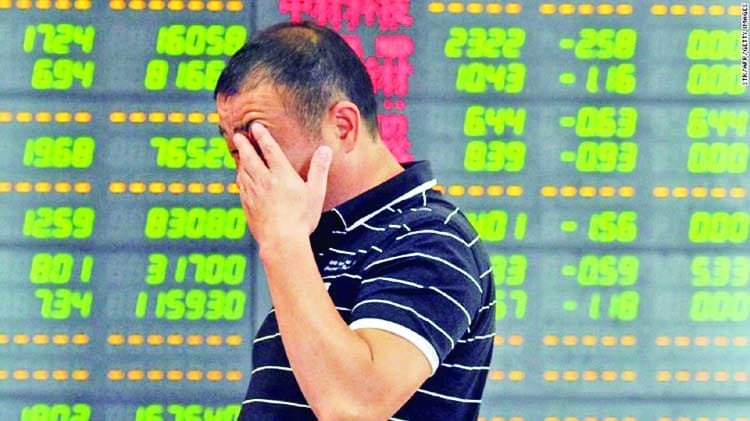
The turmoil faced by Asian oil buyers is not limited to supply chain disruptions. The sanctions have also led to increased volatility in global oil prices, which have surged in response to the uncertainty surrounding Russian oil exports. As prices rise, Asian countries are grappling with the economic implications of higher energy costs, which could have a cascading effect on their economies. The increased cost of oil could lead to inflationary pressures, impacting everything from transportation to consumer goods.
In addition to the immediate challenges posed by the sanctions, Asian oil buyers must also consider the long-term implications for their energy security. The geopolitical landscape is shifting, and the reliance on Russian oil may no longer be a viable strategy for many countries in the region. As nations seek to secure their energy futures, there is a growing recognition of the need to invest in renewable energy sources and develop domestic energy production capabilities.
The situation is further complicated by the fact that the sanctions are not uniform across all countries. While some nations have imposed strict restrictions on Russian oil imports, others have taken a more lenient approach. This disparity creates a fragmented market, where Asian oil buyers must navigate a complex array of regulations and potential risks. The lack of a cohesive strategy among countries could lead to further instability in the global oil market.
As the situation continues to evolve, it is clear that the sanctions against Russia have far-reaching implications for Asian oil buyers. The need to adapt to a rapidly changing energy landscape is paramount, and countries must work collaboratively to address the challenges posed by the sanctions. The future of energy security in Asia will depend on the ability of these nations to diversify their energy sources, strengthen regional partnerships, and invest in sustainable energy solutions.
In conclusion, the sweeping sanctions against Russia have thrown major Asian oil buyers into turmoil, forcing them to confront a host of challenges related to supply chain disruptions, rising prices, and the need for energy diversification. As countries like China, India, and Japan navigate this complex landscape, the global oil market is witnessing unprecedented shifts that could reshape the future of energy security in the region.