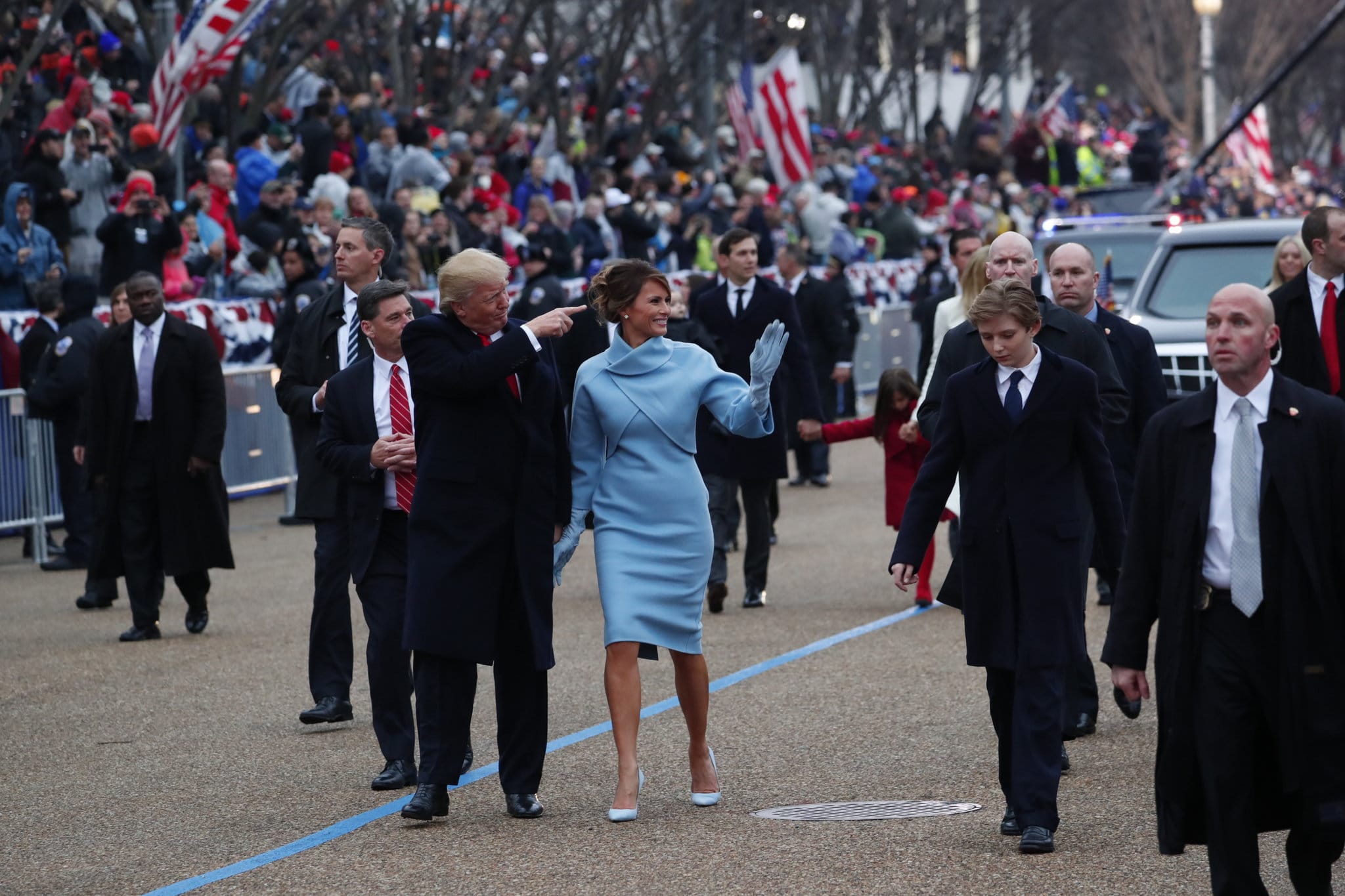
In an unprecedented move that aligns the tech giant Amazon with prominent political events, the company announced that it is donating $1 million to support the inaugural fund for former President Donald Trump. This financial backing is intended to facilitate the airing of Trump’s upcoming inauguration event on the streaming platform Prime Video. The contribution marks an interesting chapter in the landscape of corporate involvement in politics and the evolving relationship between technology and media.
This announcement arrives in a political climate often characterized by divisions, and thus it represents an important snapshot of corporate America’s engagement with political figures and events. By providing substantial funding to a figure as polarizing as Trump, Amazon may raise questions regarding the role corporations play in influencing political dialogue and public opinion.
Amazon, a giant in the e-commerce and media sectors, has consistently demonstrated interest in live streaming high-profile events. Over the years, the company’s various platforms have hosted an array of programming ranging from sporting events to award shows. In the case of political events, Amazon’s participation introduces new dimensions to the distribution of political content, potentially allowing it to shape how millions of viewers consume political information.
The decision to partner with Trump, particularly following his contentious presidency and ongoing influence in American politics, could invite scrutiny from various quarters. Critics may view the venture with skepticism, questioning whether such financial support aligns with Amazon’s broader corporate values and its impact on public perception. Supporters, on the other hand, might argue that this initiative fosters free speech and access to diverse viewpoints.
The $1 million donation is not Amazon’s first engagement with political events; over the years, the company’s leadership has expressed interest in remaining neutral yet involved within the political sphere. By contributing to a high-profile event, Amazon acknowledges the reality that politics and business are increasingly intertwined—a trend observable across various industries.
Trump’s inaugural event is poised to be a focal point for numerous discussions surrounding the future of the Republican party and Trump’s ongoing role within it. As he prepares for this event, the funding from Amazon not only provides the necessary resources for production but also grants the platform exposure to a different audience, potentially increasing engagement for both parties involved.
The implications of this partnership extend beyond just the present moment; they signal broader trends around corporate influence in politics, particularly in the digital age. As streaming services continue to grow, they offer an increasingly accessible medium for political discourse. This aligns with the way consumers now prefer to access content—on their own terms and schedules.
As viewers increasingly turn to platforms like Prime Video for news and political content, including planned live streams, companies may find themselves playing an integral role in shaping the narratives that dominate public discourse. This opens a wider conversation about the responsibilities of corporations, especially influential players like Amazon, when it comes to facilitating political events.
Furthermore, the involvement of digital platforms in political events prompts discussions about regulation and the potential need for guidelines to navigate the intersectionality of commerce and governance. Should corporations like Amazon be influencing political events or merely providing a neutral ground for the dissemination of political content? This question is emblematic of larger societal debates concerning the nature of political engagement in modern democracy.
In response to Amazon’s contribution, various stakeholders within the political and media landscape will likely voice their perspectives. Nonprofits advocating for transparency in political funding may criticize the move, urging consumers to question the motives behind corporate financial support for political endeavors. Conversely, political analysts may interpret Amazon’s action as a calculated business strategy aimed at maintaining relevance in an increasingly competitive media environment.
As the event date approaches, expectations will build around the format, content, and viewer engagement levels. It remains to be seen how this partnership will unfold, but it sets a precedent for how media platforms can redefine their role in the civic fabric. The ramifications of this decision will likely influence not only the perception of Amazon as a corporate entity but also the broader dialogue surrounding corporate contributions to political events.
Moreover, the ramifications of Amazon’s donation could be felt within the Republican party itself, sparking internal discussions surrounding support for Trump as the party maneuvers through a complex political landscape. Following the events at the Capitol on January 6, 2021, and the subsequent division among party members, Trump’s position as a central figure within the GOP has become even more contentious. The ability to air his inaugural event on a major streaming platform may reenergize his base while also either rallying or alienating moderate factions within the party.
In conclusion, the $1 million donation from Amazon to Trump’s inaugural fund encompasses a multifaceted scenario involving media, politics, and accountability. As consumers, political analysts, and corporations alike consider the implications of such partnerships, this event could serve as a bellwether for future corporate involvement in political matters. The intertwining of technology and politics illustrates the constant evolution of both spheres, as well as the ongoing discussion about their collective impact on society.