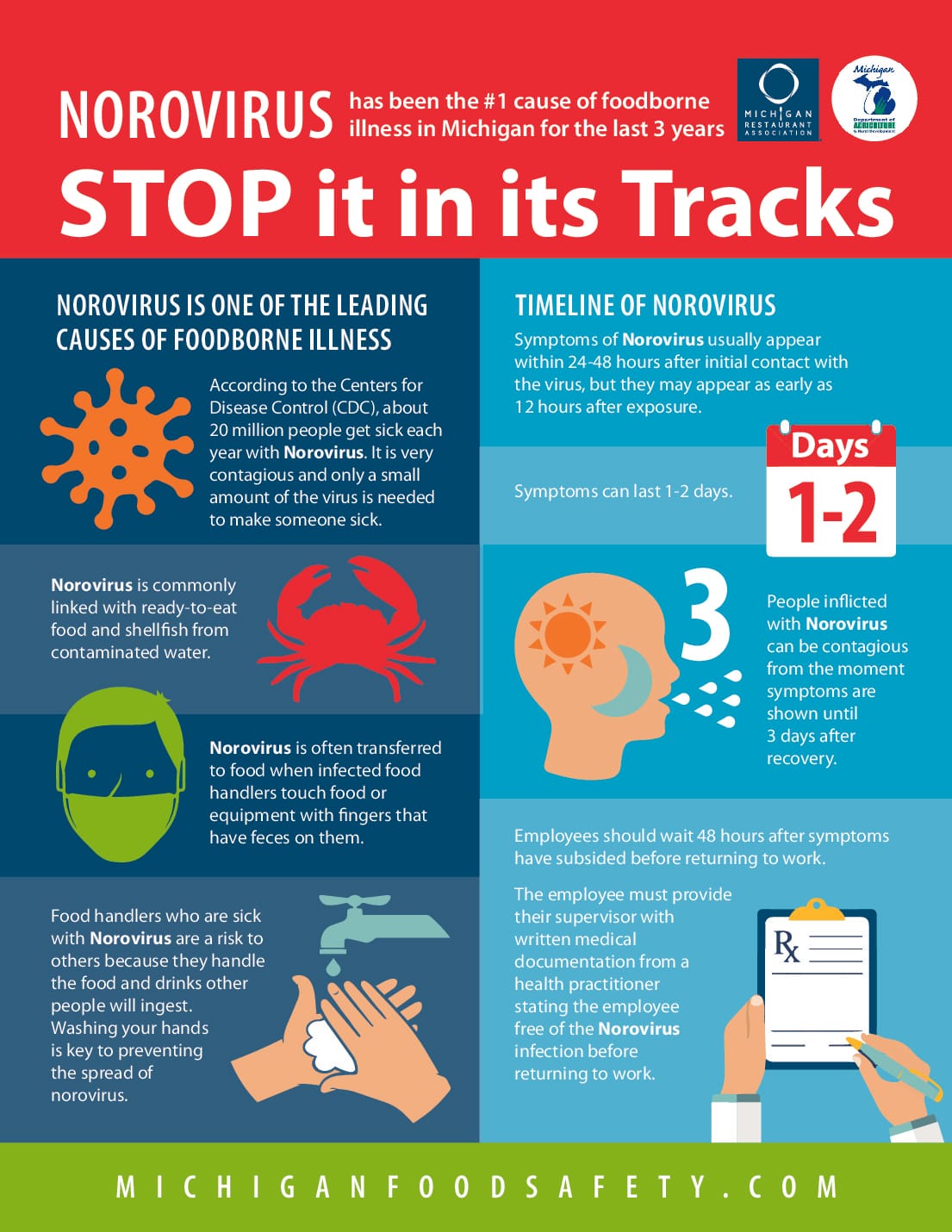
The recent uptick in norovirus cases across the United States has raised concerns among health officials, particularly in the Washington, D.C. region. Norovirus, often referred to as the “winter vomiting bug,” is a highly contagious virus that can cause gastroenteritis, leading to symptoms such as vomiting, diarrhea, stomach cramps, and nausea. The Centers for Disease Control and Prevention (CDC) has reported an increase in norovirus activity, prompting health authorities to emphasize the importance of preventive measures.
In the D.C. area, the rise in norovirus cases has been attributed to various factors, including seasonal changes that typically see an increase in viral infections. Public health officials have observed clusters of cases in settings such as schools, nursing homes, and restaurants, where the virus can spread rapidly among individuals in close quarters. The D.C. Department of Health has been monitoring the situation closely and has implemented strategies to mitigate the spread of the virus.
Norovirus is notorious for its ability to spread through contaminated food, water, surfaces, and direct person-to-person contact. It is particularly resilient, surviving on surfaces for extended periods, which makes thorough cleaning and disinfection essential in preventing outbreaks. Health experts recommend that individuals practice good hygiene, including regular handwashing with soap and water, especially before eating or preparing food and after using the restroom.
The symptoms of norovirus can appear suddenly and may be severe, leading to dehydration, particularly in vulnerable populations such as young children and the elderly. While most individuals recover within one to three days, the rapid onset of symptoms can lead to significant discomfort and missed days at work or school. In some cases, hospitalization may be required for those experiencing severe dehydration.
The increase in norovirus cases has prompted local health departments to issue public advisories and guidelines to educate residents on prevention strategies. These guidelines include avoiding close contact with infected individuals, staying home when experiencing symptoms, and ensuring that food is cooked and handled safely. Additionally, residents are encouraged to clean and disinfect surfaces regularly, particularly in shared living spaces.
In light of the rising cases, local health authorities have also been collaborating with schools and community organizations to raise awareness about norovirus and its transmission. Educational campaigns aim to inform the public about the importance of hygiene practices and recognizing the symptoms of norovirus. By fostering a community-wide understanding of the virus, health officials hope to reduce the incidence of infections and outbreaks.
As the winter months approach, the likelihood of norovirus outbreaks typically increases due to the higher incidence of gastrointestinal illnesses during this season. Public health officials are urging residents to remain vigilant and proactive in their efforts to prevent the spread of the virus. This includes not only practicing good hygiene but also being mindful of food safety practices, especially when preparing meals for gatherings or events.
In conclusion, the rise in norovirus cases in the United States, particularly in the Washington, D.C. region, underscores the need for heightened awareness and preventive measures. As health officials continue to monitor the situation, residents are encouraged to stay informed and adopt practices that can help mitigate the spread of this highly contagious virus. By working together and prioritizing hygiene and safety, the community can help protect its members from the impacts of norovirus.

