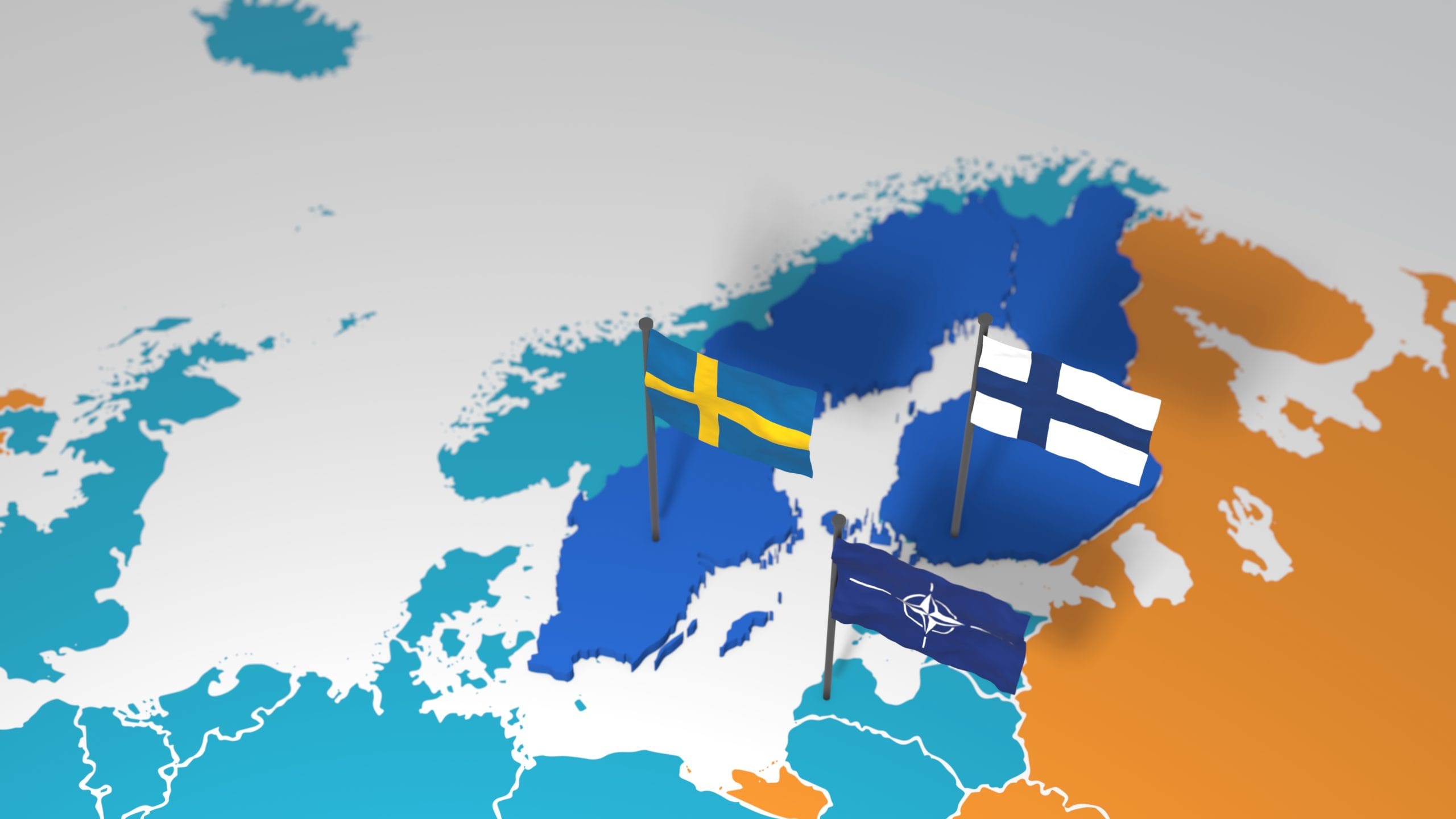
On December 30, 2024, NATO officials confirmed an expansion of military operations in the Baltic Sea region, a decision aimed at reinforcing the alliance’s strategic posture amid increasing geopolitical tensions. This initiative underscores NATO’s ongoing commitment to collective defense and the security of its member states, particularly those bordering Russia. The Baltic Sea, a critical area for European security, has become a focal point for military activities in recent years, prompting NATO to take decisive action.
The decision to enhance NATO’s military presence is a response to a series of developments in the region, including heightened military activities by Russia and ongoing security challenges faced by Baltic states such as Estonia, Latvia, and Lithuania. These countries, which joined NATO in 2004, have expressed concerns about their security in light of Russia’s annexation of Crimea in 2014 and its increased military maneuvers near their borders. The Baltic states have been vocal advocates for a stronger NATO presence, emphasizing the need for reassurance against potential aggression.
As part of the enhanced military deployment, NATO plans to increase the number of troops stationed in the region, along with the introduction of additional naval assets and air support. This deployment will involve contributions from various NATO member countries, showcasing the alliance’s collective approach to security. The increased military presence aims not only to deter potential threats but also to enhance the readiness and interoperability of NATO forces in the region.
The Baltic Sea region has been characterized by a complex security environment, with a mix of military exercises, airspace violations, and naval confrontations. NATO’s decision to bolster its presence is seen as a proactive measure to counter these challenges. The alliance has previously conducted numerous military exercises in the region, demonstrating its commitment to ensuring the security of its eastern flank. The upcoming enhancements are expected to build upon these efforts, further solidifying NATO’s deterrent capabilities.
In addition to troop deployments, NATO’s enhanced presence will also focus on improving infrastructure and logistics in the Baltic states. This includes investments in military bases, communication systems, and supply chains to ensure that forces can be rapidly deployed in the event of a crisis. The alliance recognizes that a robust logistical framework is essential for maintaining operational readiness and effectiveness in the region.
The announcement of the enhanced military presence has been met with a mixed response from various stakeholders. While NATO member states, particularly those in Eastern Europe, have welcomed the decision as a necessary step for their security, Russia has condemned the move as provocative. The Kremlin has consistently viewed NATO’s expansion and military activities near its borders as a threat to its national security. In response, Russia has indicated that it may take countermeasures, further complicating the security dynamics in the Baltic Sea region.
NATO’s commitment to collective defense is enshrined in Article 5 of the North Atlantic Treaty, which states that an attack against one member is considered an attack against all. This principle has been a cornerstone of the alliance since its inception and remains a guiding factor in NATO’s strategic decisions. The enhanced military presence in the Baltic Sea is a manifestation of this commitment, aimed at ensuring that all member states feel secure and protected.
Looking ahead, NATO’s enhanced military presence in the Baltic Sea region is expected to evolve in response to the changing security landscape. The alliance is likely to continue monitoring developments closely and adjusting its strategies accordingly. This may involve further military exercises, intelligence-sharing initiatives, and diplomatic efforts to engage with both member states and non-member countries in the region.
In conclusion, NATO’s decision to enhance its military presence in the Baltic Sea region reflects a strategic response to a complex and evolving security environment. By increasing troop levels, naval assets, and air support, NATO aims to bolster its deterrent capabilities and reassure its member states of their security. As tensions continue to rise, the alliance remains committed to its foundational principles of collective defense and regional stability.