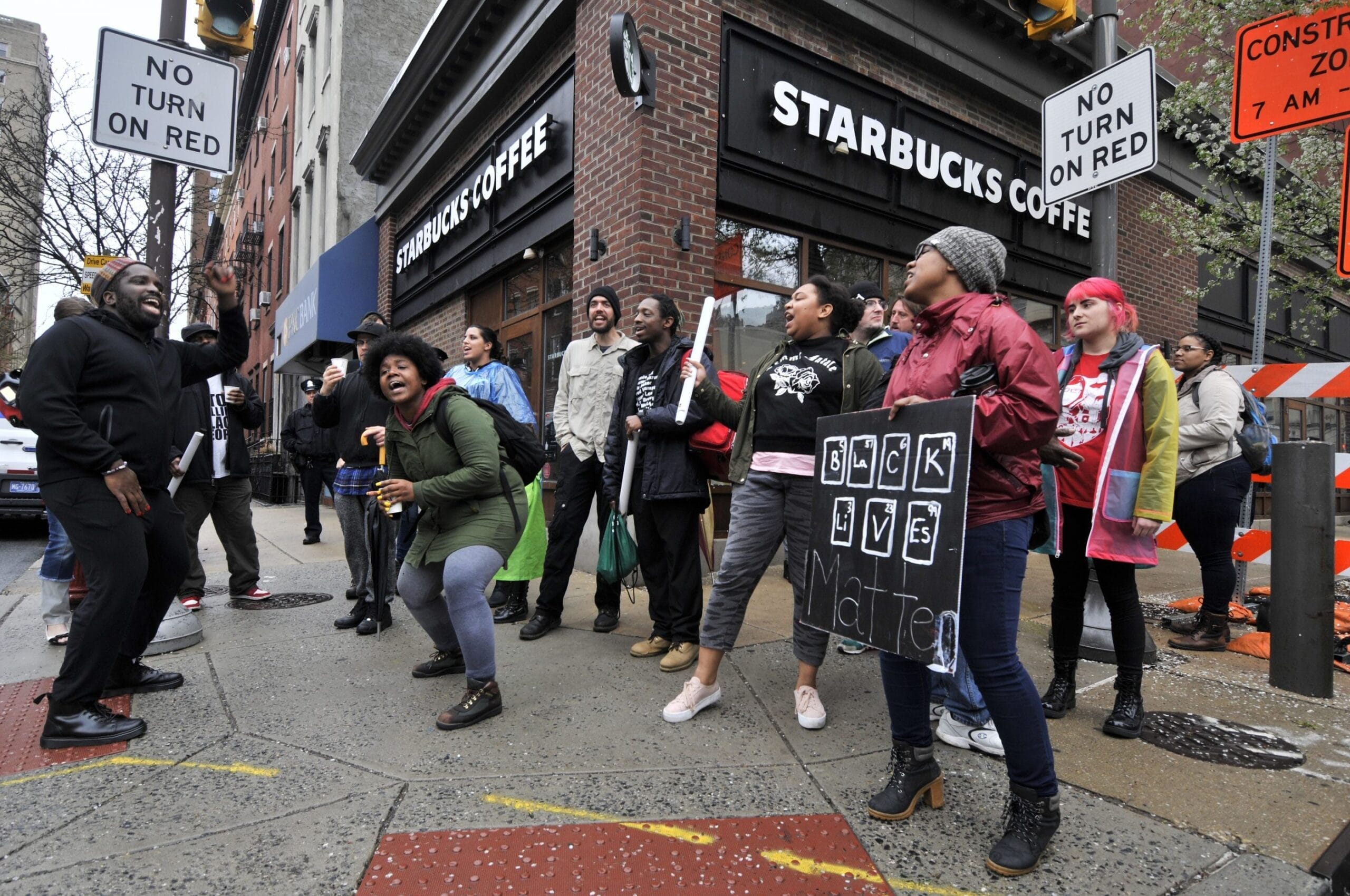
In a move that could significantly impact operations during the busiest time of the year, Starbucks baristas across various locations have launched strikes in anticipation of the upcoming holiday season. The strikes are primarily aimed at advocating for better wages, improved working conditions, and enhanced job security for employees. This action comes as a response to ongoing labor disputes within the company, which have escalated over the past several months.
Workers at Starbucks have expressed growing dissatisfaction with their current work environments, noting that demands have increased alongside the company’s profits. The holiday season, known for its high sales volume and customer traffic, is typically a time when employees feel the strain of volume increase coupled with the expectation of providing exceptional service. Many baristas argue that their wages have not kept pace with rising living costs, particularly in urban areas where many stores are located.
The decision to strike was not made lightly, as employees are fully aware of the implications it may have for customer service and overall sales. However, the overwhelming sentiment among those participating in the strikes has been one of solidarity and a determined attempt to bring about change. Workers from numerous locations have come together, sharing their experiences and advocating for a more equitable workplace. These strikes are part of a larger trend seen across various industries, with employees increasingly taking a stand for their rights.
The timing of the strikes, leading into one of the most lucrative times for the coffee industry, raises questions about the potential consequences for Starbucks. The company typically sees a substantial increase in sales during the holiday season, thanks to the promotion of seasonal beverages, unique merchandise, and a surge in customer visits. The strikes could disrupt operations at multiple locations, leading to longer wait times and a reduction in available services. In a business driven by customer experience, such disruptions could have a lasting impact on customer loyalty and sales.
Starbucks has responded to the strikes by reiterating its commitment to maintaining an open dialogue with employees. The company has stated that it values the contributions of its workforce and is committed to providing competitive wages and benefits. However, workers feel that the company’s assurances have not translated into meaningful changes in their everyday work experiences. Many baristas argue that the corporate promises do not adequately address the immediate issues they are facing on the ground, such as understaffing, lack of breaks, and job security concerns.
In recent months, labor organizers have gained attention through the unionization efforts occurring in various Starbucks locations across the country. These movements have inspired employees to stand up for their rights and seek representation, aiming to negotiate better terms for their work. The strikes are a clear indication of a growing momentum among workers who are increasingly willing to push back against what they perceive as unfair workplace practices.
Community support for the striking baristas has been significant, with many customers expressing solidarity and understanding of their demands. Some have taken to social media to share their support for the workers, calling for others to consider supporting the strikes over choosing to patronize Starbucks during this critical period. This outpouring of public backing highlights the shifting perspectives on labor rights and the importance of treating workers fairly.
Despite this support, the crux of the situation remains a delicate balance between employee rights and corporate profitability. The holiday season represents a crucial time for retailers, and Starbucks is no exception. Both sides of the dispute—the baristas advocating for better working conditions and the corporate leadership focused on maintaining sales—face a challenging road ahead.
As the strikes continue, it remains to be seen how Starbucks will respond amidst growing pressure not only from its employees but also from its customer base. Ultimately, this situation emphasizes a larger movement in the labor landscape, reflecting the ongoing fight for fair working conditions and just wages within the retail sector.
In the coming weeks, the outcome of the strikes may serve as a pivotal moment for Starbucks and potentially reshape labor practices within the company. As negotiations continue and many baristas stand firm in their demands, the impact of these actions could resonate beyond the immediate holiday season, potentially influencing labor relations across the industry.