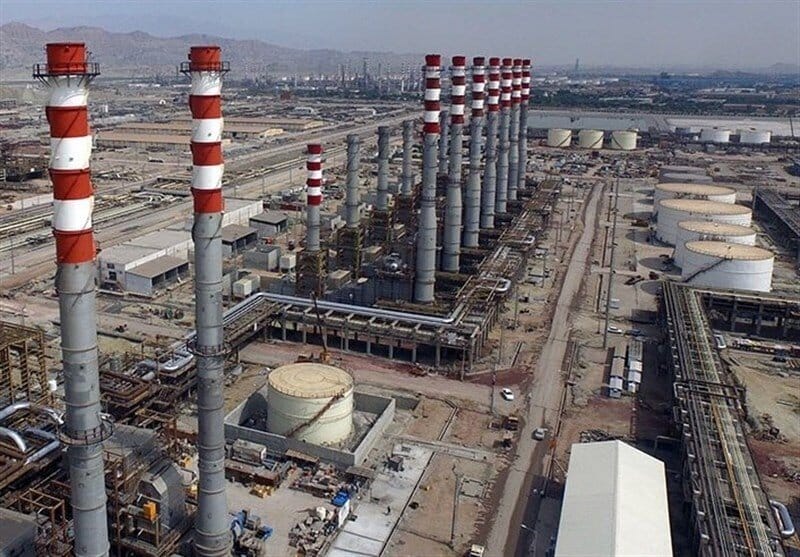
The recent developments in Iran’s oil sector indicate that the Revolutionary Guards Corps (IRGC), a powerful military and political entity, has extended its control over oil exports in Tehran. This maneuver is viewed as a strategic effort to stabilize resources amidst crippling international sanctions and economic difficulties. Control over oil exports is crucial for any oil-producing nation, as it underpins economic stability and plays a significant role in government financing.
Historically, the IRGC has played a pivotal role in Iran’s political landscape. Founded after the 1979 revolution, it has evolved from a primary military force into a crucial enforcer of the state’s ideological and economic interests. The IRGC’s increasing involvement in the oil sector underscores its necessity to secure the regime’s financial stability, particularly given the heightened tensions with the West concerning Iran’s nuclear program and human rights record.
Reports have emerged that the IRGC is not only overseeing oil production but is also significantly influencing the logistics and distribution of oil exports. This control allows the IRGC to manage the revenues derived from oil sales, which, combined with its military operations, strengthens its hold on power. By ensconcing itself within this critical economic sector, the IRGC is better positioned to secure its influence against potential internal and external threats.
Iran’s economy has faced severe challenges in recent years, exacerbated by the reinstatement of economic sanctions by the United States following its withdrawal from the nuclear deal in 2018. These sanctions have crippled Iran’s oil exports, which were a substantial source of revenue for the government. In response to these challenges, the Iranian government has sought to adapt its oil trading practices, including the potential circumventing of sanctions through clandestine sales and partnerships with countries less aligned with Western policies.
The strengthening of the IRGC’s grip over oil exports is likely to impact Iran’s domestic relations. As the hated sanctions have continued to gnaw at the Iranian economy, citizens have become increasingly frustrated with the government’s handling of the situation. The integral role of the oil sector means that fluctuations in its management and control significantly affect local economies and, by extension, the diverse opinions of Iranian citizens.
This expansive authority over oil resources brings with it a complex web of implications. Economically, the IRGC may prioritize immediate financial gains over long-term developmental strategies that could benefit the broader population. Additionally, the consolidation of power can lead to increased tensions between various factions within Iran. Other political entities and public organizations might resist the IRGC’s grip, fearing that this power could sideline democratic processes and exacerbate corruption.
Internationally, the implications of the IRGC’s extended control are equally significant. As global energy markets are closely linked, actors within the international community will watch developments in Iran with great interest. Analysts speculate that if the IRGC manages to secure a clandestine network of sales that circumvents sanctions, it could embolden the organization and further complicate an already fraught relationship with the West.
The future of Iran’s oil exports remains uncertain as the intertwining issues of economic control, geopolitical tensions, and domestic unrest converge. The IRGC’s act of consolidating control is viewed as a calculated move to safeguard its interests and by extension, the regime’s survival. As this narrative unfolds, its effects on both domestic stability and international relations will likely reflect broader themes of power, resistance, and the evolving nature of control in Iran.
As this situation develops, observers are keenly aware of the risks involved. The culmination of power within a military body raises questions about governance, accountability, and the prioritization of national interests over those of the population. The linkage between economic stability and authority is a recurring theme in many nations, and Iran’s circumstances serve as a recent illustration of how military influence can redefine economic landscapes amidst hardship.
In summary, the expansion of IRGC’s authority over Tehran’s oil exports signals a pivotal shift in Iran’s approach to managing its resources amid ongoing challenges. The delicate balancing act of maintaining control while addressing the needs of the populace and other political entities presents a complex challenge for the Iranian leadership as it navigates through a landscape fraught with both opportunities and perils.