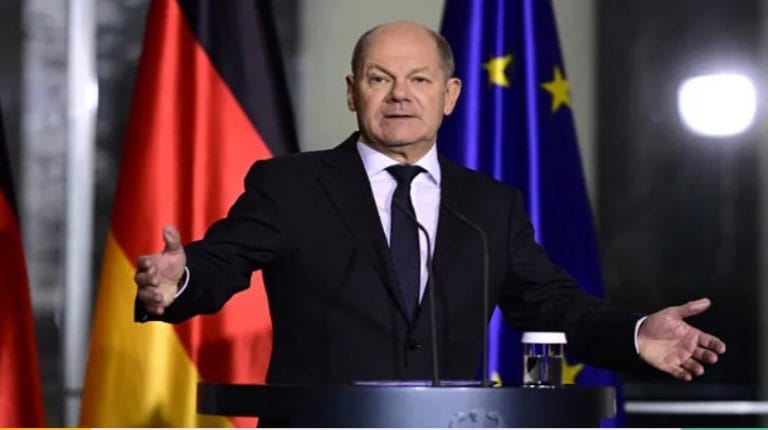
In a significant turn of events for German politics, Chancellor Olaf Scholz has experienced a notable setback following a confidence vote in the Bundestag. This outcome not only highlights the challenges faced by his coalition government but also raises systemic questions regarding the leadership and stability of the German political landscape.
The confidence vote, which took place in the context of mounting economic pressures and internal disputes within the coalition, saw Scholz’s government unable to secure the necessary support from lawmakers. This development has been interpreted as a clear indication of growing dissatisfaction with Scholz’s leadership style and the effectiveness of his administration.
The coalition, which comprises Scholz’s Social Democratic Party (SPD), the Greens, and the Free Democratic Party (FDP), has faced various hurdles since taking office. Economic challenges, particularly due to rising inflation and energy costs exacerbated by geopolitical tensions, have left many citizens feeling uncertain about their financial future. The government’s response to these issues has been scrutinized, with various factions within the coalition voicing differing opinions on the best path forward.
In addition to economic concerns, there have been reports of increasing friction within the governing parties. The Greens, traditionally aligned with progressive policies, have clashed with the more business-oriented FDP on several key issues, including climate policy and fiscal responsibility. As these tensions have surfaced, they have contributed to a perception that the coalition is struggling to maintain a cohesive agenda.
The confidence vote outcome has sparked discussions about the potential for a leadership change within the coalition. Political analysts have begun to speculate about the possibility of new elections or a reshuffling of cabinet positions to address the dissatisfaction among both lawmakers and the electorate. Scholz’s ability to navigate these turbulent waters will be critical in determining whether he can regain the trust of his coalition partners and the public.
Public sentiment regarding the government has been shifting as well. Recent polls indicate a decline in approval ratings for Scholz, as citizens express frustration over the perceived inability to manage pressing issues effectively. The confidence vote serves as a wake-up call for the Chancellor, reminding him of the precariousness of his position and the urgent need for decisive action to restore confidence among both his coalition partners and the general populace.
Moreover, the political landscape in Germany is further complicated by the rise of opposition parties. The Christian Democratic Union (CDU) and the Alternative for Germany (AfD) have gained traction, positioning themselves as alternatives to the current government. These parties have capitalized on the discontent felt by many citizens, advocating for policies that resonate with those who feel left behind by the current administration’s decisions.
In light of this political turmoil, Scholz must prioritize addressing the concerns of his coalition and the electorate. Engaging in open dialogues with party leaders and actively seeking compromise on contentious policy issues may prove vital in re-establishing a united front. Additionally, the Chancellor might consider a more transparent approach to governance, ensuring that citizens feel included in the decision-making process.
As the situation unfolds, observers of German politics will be closely watching to see how Scholz responds to this confidence vote. The outcome will not only affect the current government’s stability but may also have long-term implications for the future of German politics. The coming weeks are likely to be pivotal, as Scholz and his coalition navigate the challenges ahead in an effort to regain public trust and political cohesion.
In conclusion, the recent confidence vote against Chancellor Olaf Scholz marks a crucial moment in German politics. It reflects not only the immediate challenges faced by his administration but also the broader systemic issues within the coalition government. The path forward will require strategic maneuvering, effective communication, and a willingness to address the concerns of all stakeholders involved. Whether Scholz can turn this setback into an opportunity for renewed leadership and stability remains to be seen.