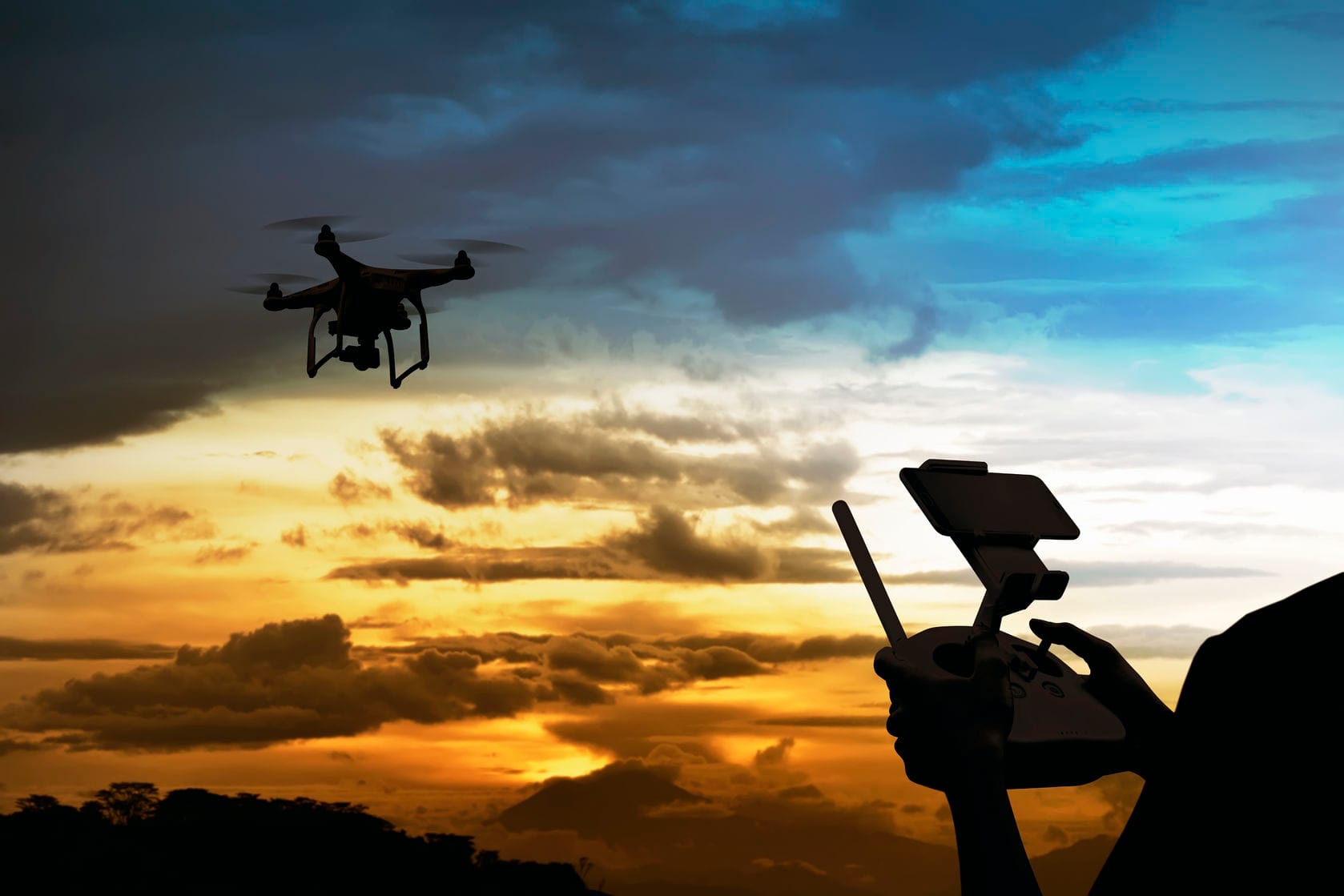
In recent months, the United States has witnessed a surge in reports concerning unidentified drone sightings, raising alarms about potential threats to national security and public safety. These incidents have prompted a notable response from federal and state authorities, leading to a bipartisan debate among lawmakers about how to effectively manage and regulate the increasing presence of drones in American airspace. The emergence of this issue highlights the complexities surrounding drone technology and its implications for privacy, safety, and security.
The Federal Aviation Administration (FAA) has long been tasked with regulating airspace and ensuring the safety of both manned and unmanned aircraft. However, the recent rise in drone sightings has led to questions about whether existing regulations are sufficient to address the challenges posed by these devices. Lawmakers from both sides of the aisle have expressed concerns that the federal government has not adequately responded to the growing number of drone incidents, which range from benign recreational use to more concerning activities that could pose risks to public safety.
One of the primary concerns raised by legislators is the potential for drones to interfere with manned aircraft operations. As drones become more prevalent, there is an increasing risk of collisions in the airspace, particularly near airports. This has led to calls for stricter regulations and enhanced monitoring of drone activities to prevent dangerous encounters. Some lawmakers have suggested that the FAA should implement more stringent licensing requirements for drone operators and increase penalties for those who violate airspace regulations.
In addition to safety concerns, the issue of privacy has also emerged as a significant topic of discussion. Drones equipped with cameras and other surveillance technology can easily invade personal privacy, raising ethical questions about their use in residential areas. Bipartisan efforts are underway to explore legislation that would establish clearer guidelines on where and how drones can be operated, particularly in relation to privacy rights. The challenge lies in balancing the benefits of drone technology, such as its use in search and rescue operations or infrastructure inspections, with the need to protect citizens’ privacy.
Furthermore, the lack of a coordinated federal response has led to confusion among state and local authorities regarding their roles in managing drone activities. Some states have begun to implement their own regulations to fill the gaps left by federal oversight, resulting in a patchwork of laws that can be difficult for drone operators to navigate. This inconsistency has prompted calls for a more unified approach to drone regulation, ensuring that all operators are subject to the same standards regardless of where they fly.
The bipartisan debate surrounding drone sightings has also been fueled by concerns about the potential for malicious use of drones. Reports of drones being used for illegal activities, such as drug trafficking or surveillance of sensitive locations, have raised alarms among lawmakers. In response, some legislators are advocating for the development of advanced detection and mitigation technologies that could help law enforcement agencies identify and respond to unauthorized drone operations more effectively.
As the discussions continue, it is clear that the issue of drone regulation is not merely a technical matter but one that encompasses broader societal implications. The rapid advancement of drone technology has outpaced the development of comprehensive regulatory frameworks, necessitating a collaborative effort among lawmakers, regulatory agencies, and industry stakeholders to address the challenges posed by this evolving landscape.
In conclusion, the federal response to unidentified drone sightings has ignited a bipartisan debate focused on safety, privacy, and regulatory effectiveness. As lawmakers grapple with the complexities of drone technology and its implications for society, the need for a cohesive and comprehensive approach to drone regulation becomes increasingly apparent. The outcome of these discussions will shape the future of drone operations in the United States and determine how best to balance innovation with public safety and privacy rights.