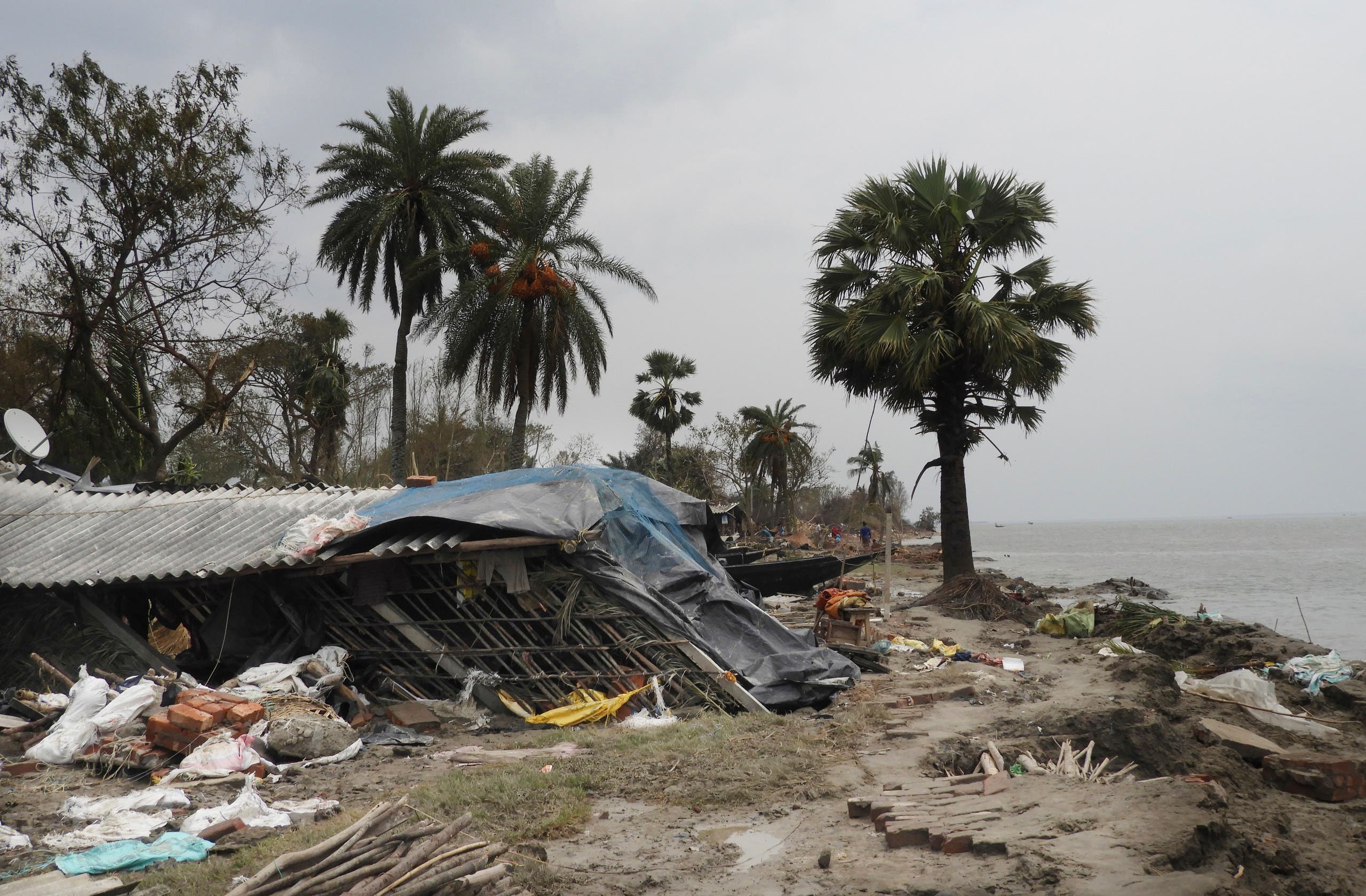
The French island territory of Mayotte has recently experienced the severe impacts of Cyclone Chido, which made landfall with alarming intensity. Located in the Indian Ocean between Madagascar and Mozambique, Mayotte is known for its unique biodiversity and cultural richness, but the cyclone has posed a serious threat to its communities and environment.
Cyclone Chido developed rapidly, gaining strength as it approached the island. Meteorological agencies had been monitoring the system closely, issuing warnings and advisories to residents. As the cyclone approached, the island faced heavy rainfall, strong winds exceeding 130 kilometers per hour, and tumultuous sea conditions. The situation necessitated urgent preparations, including the evacuation of vulnerable populations and the establishment of emergency shelters.
The impact of Cyclone Chido has been significant. Reports indicate widespread damage to homes, infrastructure, and public services. Many residents have found themselves without power or access to clean water, as the cyclone’s winds and rain have downed power lines and flooded roadways. Emergency services have been deployed to assess the situation, provide aid, and ensure the safety of those affected.
In addition to immediate damage, there are concerns about the long-term implications of the cyclone. Mayotte’s economy, which relies heavily on tourism and fishing, may face disruptions as businesses assess the extent of the damage and work to recover. The agricultural sector, which is vital for food security on the island, has also been impacted, with reports of crop losses due to flooding and wind damage.
The French government has activated emergency protocols to respond to the crisis. Support is being coordinated between local authorities, national agencies, and humanitarian organizations. Relief efforts include the distribution of food, water, and medical supplies to those in need. Additionally, teams are being mobilized to conduct damage assessments and help restore essential services.
As the situation unfolds, the resilience of the island’s communities is being tested. Local residents have come together to support one another, offering shelter and assistance to those who have lost their homes. Community organizations are playing a crucial role in coordinating relief efforts and ensuring that aid reaches those most in need.
The cyclone’s aftermath will require a comprehensive response strategy. Recovery efforts will focus not only on immediate relief but also on long-term rebuilding and resilience planning. This includes evaluating infrastructure vulnerabilities and implementing measures to better prepare for future storms. The experience of Cyclone Chido underscores the importance of disaster preparedness, particularly in regions prone to extreme weather events.
As Mayotte begins to recover from the impacts of Cyclone Chido, the international community is also watching closely. The event highlights the broader challenges faced by island nations and territories in the face of climate change, which is contributing to the increasing frequency and intensity of storms. Global cooperation and support will be essential in addressing these challenges and ensuring that affected regions can recover and rebuild.
In conclusion, Cyclone Chido has brought significant challenges to the French island territory of Mayotte. The immediate focus remains on providing aid and support to those affected, while also considering the long-term implications of this natural disaster. As the island navigates the recovery process, the resilience of its communities and the effectiveness of emergency responses will play a crucial role in shaping its future.