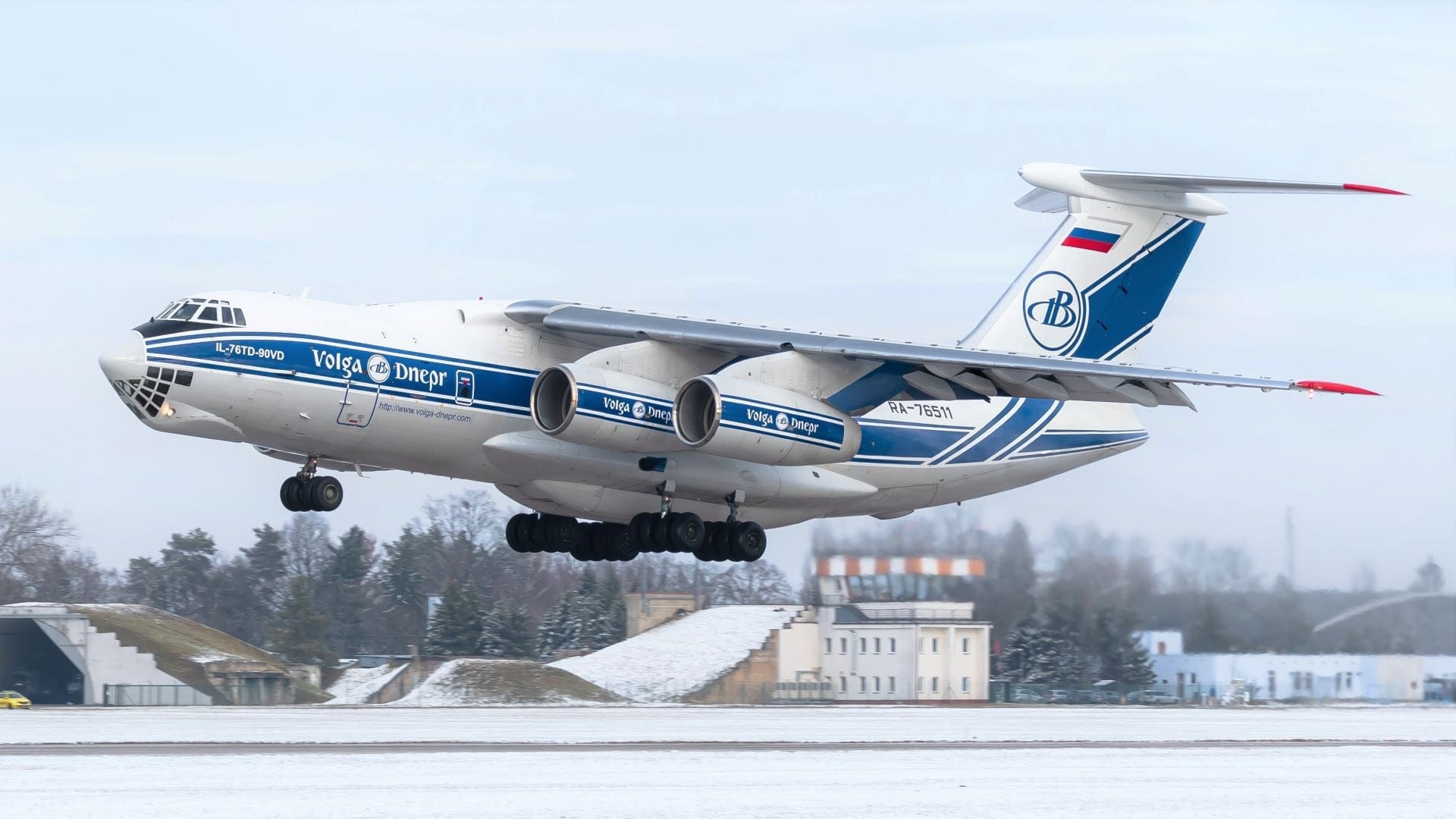
The recent departure of a Russian cargo plane from Syria to Libya marks a notable event in the context of international air traffic and geopolitical relations. This flight is part of a larger trend, as analysts anticipate an increase in similar operations in the coming weeks. The implications of these flights are manifold, touching on aspects of military logistics, economic interests, and regional security.
The cargo flights are believed to be linked to the ongoing support that Russia provides to various factions within Libya. The North African nation has been embroiled in conflict since the fall of Muammar Gaddafi in 2011, with multiple groups vying for control. Russia’s involvement has primarily been through military support, which has included the provision of arms and mercenaries, particularly through the Wagner Group, a private military company with close ties to the Kremlin.
As the conflict in Libya continues to evolve, the need for logistical support has become increasingly critical. The cargo flights from Syria are likely to facilitate the transportation of military supplies, equipment, and possibly personnel. This raises concerns among Western nations and regional powers about the potential for escalated conflict in Libya, as well as the broader implications for North Africa and the Mediterranean region.
In recent years, Russia has sought to expand its influence in the Middle East and North Africa, often filling the void left by the retrenchment of Western powers. The strategic importance of Libya, with its vast oil reserves and its position as a gateway to Europe, makes it a focal point for Russian interests. The increased air traffic between Syria and Libya is indicative of a more sustained commitment by Russia to bolster its presence in the region.
The potential for more flights is also influenced by the evolving security landscape in Syria. With the Syrian civil war entering a new phase, the dynamics surrounding military operations in the country are shifting. As various factions consolidate power, the ability to conduct such flights may become easier or more difficult, depending on the control exerted by different groups and the response from the international community.
Furthermore, the international response to these developments will likely be scrutinized closely. Western nations, particularly the United States and European Union members, have expressed concerns over Russian military activities in both Syria and Libya. The prospect of increased cargo flights may prompt a reevaluation of current strategies and policies aimed at countering Russian influence in these regions.
The logistics of these operations are complex, involving not only the physical transportation of goods but also the coordination of various military and diplomatic channels. The use of cargo planes for military purposes is not new, but the transparency and oversight of such flights can often be limited, leading to difficulties in monitoring compliance with international regulations.
As the situation unfolds, it remains to be seen how these developments will impact the broader geopolitical landscape. The interplay between military logistics, regional stability, and international relations will be critical in determining the outcomes of the ongoing conflicts in both Syria and Libya.
In conclusion, the recent departure of a Russian cargo plane from Syria to Libya signals a potential increase in military logistical operations in the region. With expectations of more flights to follow, the situation warrants close attention from both regional stakeholders and the international community. The implications of these developments are significant, as they may affect not only the course of the Libyan conflict but also the broader dynamics of power in the Middle East and North Africa.

