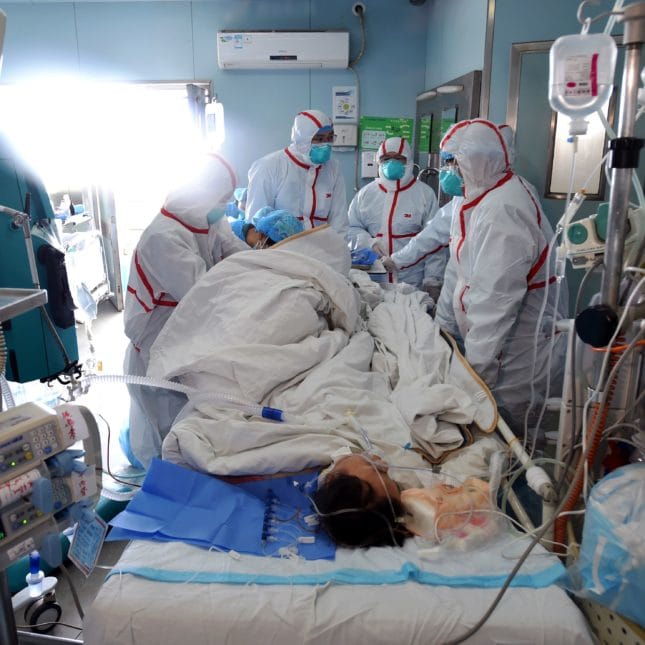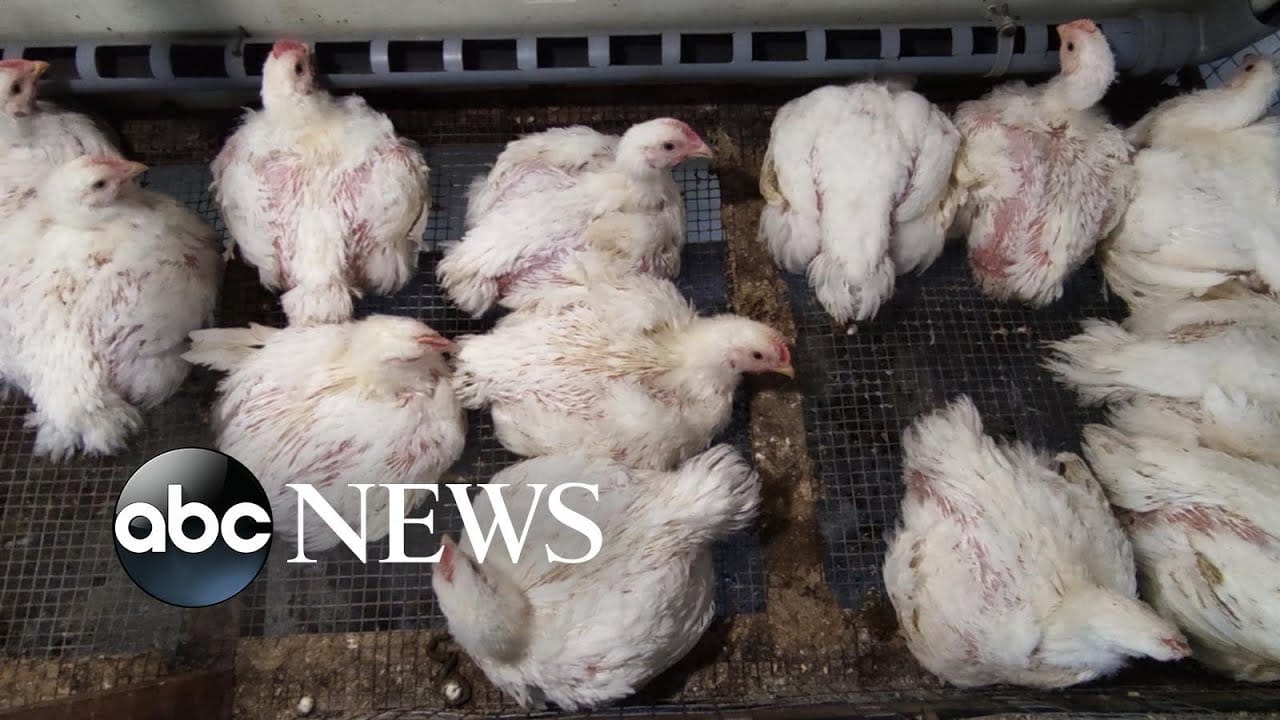
The recent hospitalization of a patient in Louisiana due to the bird flu has raised alarms among health officials and the public. This case represents a rare instance of avian influenza, primarily a disease affecting birds, making its way to humans. The specific strain involved, H5N1, has been known to infect humans in rare situations, often linked to close contact with infected birds. As health authorities mobilize to investigate this case, it is crucial to understand the implications for public health and the necessary measures to prevent further transmission.
Bird flu, or avian influenza, is caused by viruses that primarily infect birds but can occasionally infect humans and other animals. The H5N1 strain has been particularly concerning due to its high mortality rate in humans, although human infections remain infrequent. In the past, outbreaks have typically been associated with poultry farms, where birds can spread the virus rapidly. The World Health Organization (WHO) and the Centers for Disease Control and Prevention (CDC) closely monitor these outbreaks to assess risks and implement control measures.
In the case reported in Louisiana, health officials are conducting thorough investigations to determine the source of the infection. This includes tracing potential contacts and assessing any exposure to infected birds or contaminated environments. The patient’s condition and response to treatment are also being monitored closely, as the severity of H5N1 infections can vary significantly among individuals.
The potential for bird flu to spread from birds to humans underscores the need for ongoing surveillance and preparedness. Public health agencies emphasize the importance of monitoring both wild and domestic bird populations for signs of infection. In addition, they recommend that individuals who work with poultry or live in areas where bird flu is prevalent take precautions to minimize their risk of exposure. This includes practicing good hygiene, using personal protective equipment when necessary, and reporting any sick or dead birds to local authorities.
The emergence of this case in Louisiana serves as a reminder of the interconnectedness of human, animal, and environmental health, often referred to as the One Health approach. This perspective recognizes that health issues can arise from the interaction between humans and animals, necessitating a collaborative effort among various sectors to address potential outbreaks. By integrating veterinary and human health surveillance, officials can better detect and respond to zoonotic diseases like bird flu before they escalate into larger public health crises.
Public awareness and education are also vital components of managing the risks associated with zoonotic diseases. Health officials encourage the public to stay informed about the signs of bird flu in birds and to avoid contact with wild birds that appear sick or dead. Additionally, individuals should refrain from consuming undercooked poultry products, as proper cooking can eliminate the virus.
As investigations continue in Louisiana, health officials are likely to implement additional measures to protect public health. This may include increased monitoring of bird populations, enhanced biosecurity measures at poultry farms, and public health advisories aimed at educating the community about the risks associated with bird flu. The collaboration between health departments, wildlife agencies, and the public will be essential in managing this situation effectively.
In conclusion, the hospitalization of a patient in Louisiana due to bird flu highlights the importance of vigilance in the face of zoonotic diseases. While human cases remain rare, the potential consequences of infection can be severe. Ongoing surveillance, public education, and preparedness are critical to preventing the spread of the virus and ensuring the safety of both human and animal populations. As health officials work to understand the specifics of this case, the situation serves as a reminder of the need for a coordinated response to emerging infectious diseases.