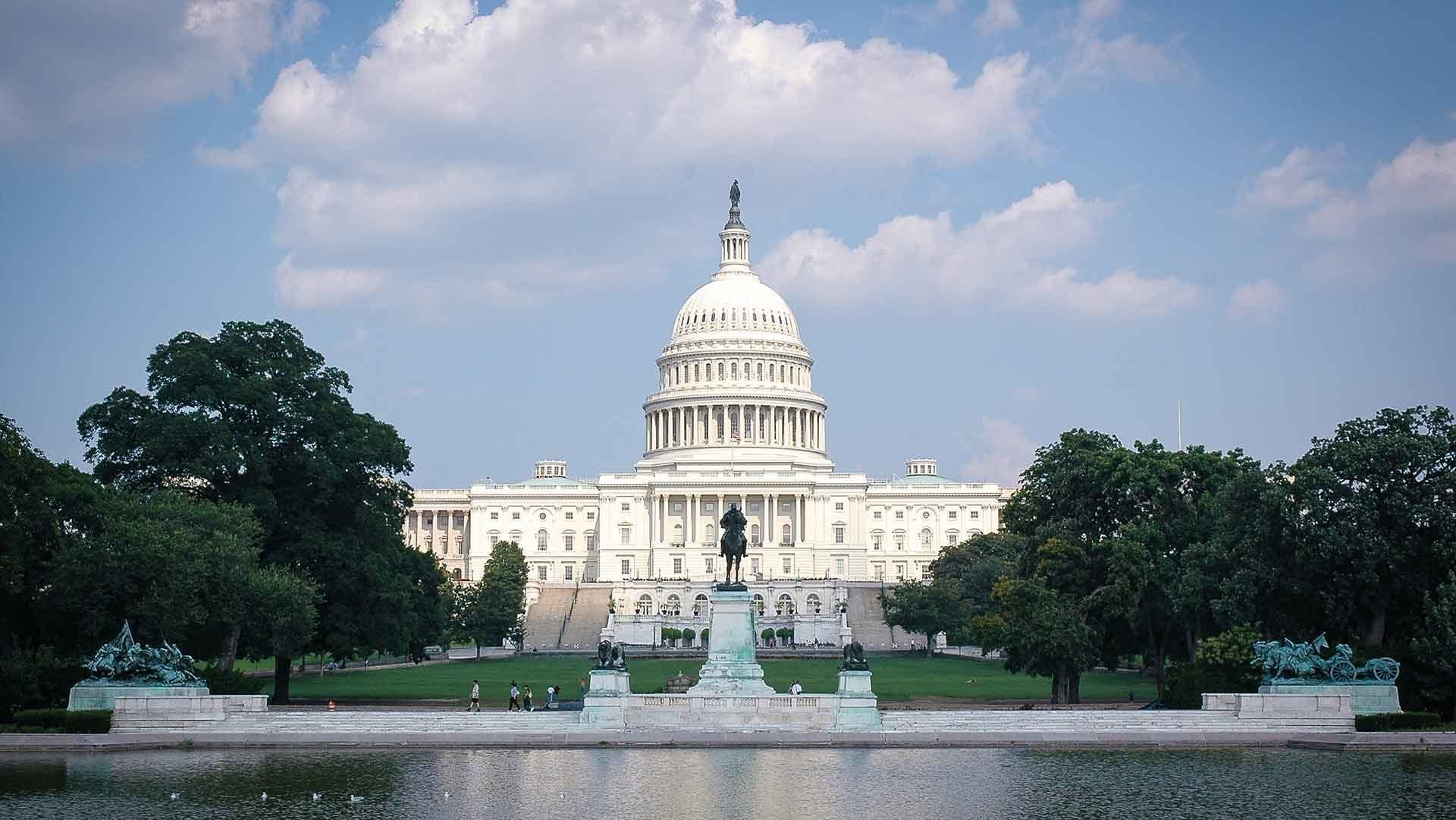
The inauguration of a new U.S. president is a significant event that attracts global attention, and the potential attendance of foreign leaders can shape the narrative surrounding the transition of power. In this context, the possibility of Chinese President Xi Jinping attending Donald Trump’s inauguration has sparked interest and debate among political analysts and international relations experts.
The invitation extended to Xi Jinping is not merely a ceremonial gesture; it reflects the intricate web of diplomatic relations between the United States and China. These two nations are among the world’s largest economies, and their interactions have profound implications for global politics, trade, and security. As such, the decision of whether Xi will attend is laden with meaning, both symbolically and practically.
One of the primary factors that could influence Xi’s attendance is the current state of U.S.-China relations. In recent years, these relations have been characterized by a mix of cooperation and tension. Issues such as trade disputes, cybersecurity concerns, human rights practices, and territorial disputes in the South China Sea have created a complex landscape for diplomatic engagement. The inauguration of a new president in the U.S. presents both an opportunity and a challenge for Xi Jinping. On one hand, attending the inauguration could be seen as a gesture of goodwill, signaling a willingness to engage with the new administration. On the other hand, it could also be perceived as an endorsement of Trump’s policies, which have at times been critical of China.
Moreover, internal political considerations within China may also play a role in Xi’s decision. The Chinese Communist Party (CCP) is known for its focus on maintaining a strong national image and controlling the narrative around its leadership. Attending a foreign leader’s inauguration could be interpreted by domestic audiences in various ways, potentially affecting Xi’s standing within the party and the public. The CCP’s emphasis on sovereignty and national pride may lead to a cautious approach regarding high-profile international engagements, especially in a context where the U.S. has been critical of China’s policies.
In addition to diplomatic and domestic factors, logistical considerations cannot be overlooked. The timing of the inauguration, which typically occurs in January, coincides with the Chinese New Year celebrations, an important cultural event in China. This timing may complicate Xi’s ability to attend, as he may prioritize domestic events and celebrations over international travel. Furthermore, the ongoing global health crisis due to the COVID-19 pandemic has introduced additional uncertainties regarding international travel and large gatherings.
While the question of Xi Jinping’s attendance remains open, it is essential to consider the broader implications of such a visit. If Xi were to attend, it could signal a potential thawing of relations and a willingness to engage in dialogue with the Trump administration. This could pave the way for discussions on critical issues such as trade agreements, climate change, and security concerns in the Asia-Pacific region. Conversely, if Xi chooses not to attend, it may underscore the existing tensions and signal a more confrontational stance from China in response to U.S. policies.
Ultimately, the decision will likely be influenced by a combination of factors, including the evolving political landscape in both countries, the state of bilateral relations, and the broader geopolitical context. As the inauguration date approaches, analysts and observers will closely monitor developments and statements from both the U.S. and China to gain insights into Xi Jinping’s potential decision.
In conclusion, the speculation surrounding Xi Jinping’s attendance at Donald Trump’s inauguration highlights the complexities of international diplomacy. It serves as a reminder of the intricate interplay between domestic politics, international relations, and the personal dynamics of world leaders. Whether Xi ultimately attends or not, the implications of his decision will resonate beyond the inauguration itself, influencing the trajectory of U.S.-China relations for years to come.