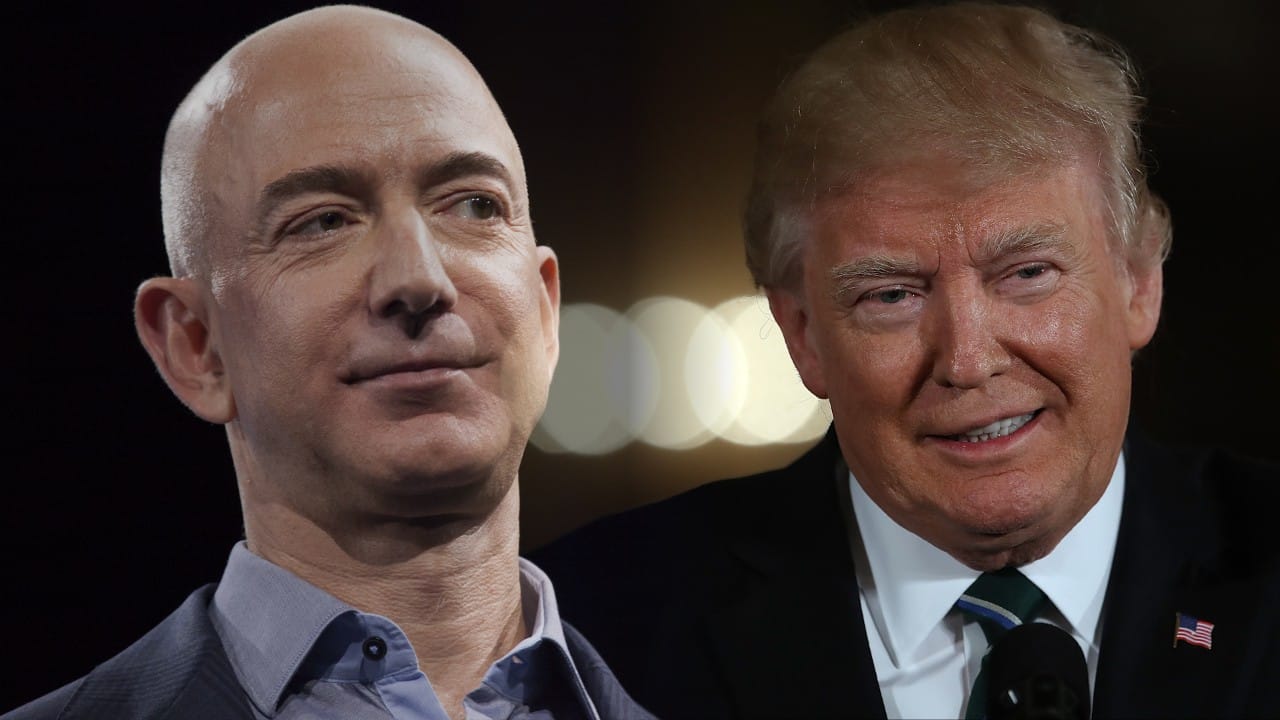
In a significant financial gesture, Jeff Bezos, the executive chairman of Amazon and one of the world’s wealthiest individuals, has contributed $1 million to Donald Trump’s inaugural fund. This move marks a continuation of a broader trend in which major figures in the technology sector engage with political mechanisms that can help shape policies and agendas in favor of their business interests.
The donation arrives at a tumultuous time in American politics. Trump’s presidency, which spanned from January 2017 to January 2021, was marked by a myriad of controversies, significant policy changes, and a highly polarized public opinion. Since leaving office, Trump has remained a prominent figure within the Republican Party, influencing its direction and future electoral strategies.
Historically, political contributions from large corporations and their leaders have drawn scrutiny from various political factions. Proponents argue that such donations are an essential part of engaging in democracy and having a voice in the political process. Opponents, however, often claim that these contributions can lead to undue influence over politicians and policy processes, which may not always align with the public good.
The fact that Bezos, a figure synonymous with the rise of e-commerce and technological innovation, has chosen to support Trump’s inauguration funds highlights the intersection of big business and politics. This intersection has become increasingly complicated over the past few years, particularly as issues surrounding regulation, data privacy, and antitrust actions against tech giants have gained prominence in the public discourse.
Several other tech leaders and companies have also made significant political donations in recent years. For instance, during the 2020 presidential election, tech executives and their firms were known for contributing to various candidates across the political spectrum. However, the overall trend within Silicon Valley has leaned more toward Democratic candidates in recent election cycles. Consequently, Bezos’s donation represents a noteworthy departure from this pattern, suggesting a strategic alignment with Trump’s agenda that may have implications for Amazon’s business operations.
Further contextualizing the financial support given by Bezos, it is important to consider the broader landscape of political contributions. The rules governing campaign finance in the United States are intricate and subject to evolving legislation and judicial interpretation. The Supreme Court’s 2010 ruling in Citizens United v. Federal Election Commission notably impacted the political funding landscape by allowing corporations and unions to spend unlimited amounts of money on political campaigns, so long as they do not coordinate directly with candidates or political parties.
As a result, large donations, such as that from Bezos, can be seen as a tactic to ensure that a corporation or individual has a seat at the table when policies that impact their business are being discussed. While this raises ethical questions surrounding transparency and accountability, these contributions remain legal and entrenched within the fabric of American political culture.
The focus on Trump’s inaugural fund also brings to light the role of inauguration events, which are traditionally significant for their symbolic nature. These events represent the peaceful transition of power and the nation’s reflection on its democratic values. However, they have increasingly become arenas for political fundraising, enabling incoming administrations to gather resources that can be utilized for their agendas.
In recent years, inaugural funds have garnered attention not just for their monetary totals, but also for the implications of the contributions made toward them. Such funds can significantly influence political capital, providing newly elected officials with a pool of resources to support their legislative goals and reinforce their political strategies.
For Bezos, the decision to donate to Trump’s inaugural fund may have been influenced by various factors, including potential benefits for Amazon at a time when the company has faced scrutiny from antitrust regulators and public criticism regarding its business practices. Engaging with political figures through financial contributions could help mitigate some of that pressure while opening doors to favorable legislative outcomes.
As this situation develops, it remains to be seen how other technology companies and their leaders will respond. The tech industry is no stranger to controversy when it comes to political ties, particularly in light of increased calls for regulation and accountability from all sides of the political spectrum. The contributions made to politicians can often lead to uncomfortable scrutiny from the public and can affect public perception of the companies involved.
Moreover, Bezos’s contribution is reflective of changing strategies within the tech sector as companies navigate a complex political environment. Stakeholders increasingly recognize that aligning with specific political figures can yield benefits, whether through legislative support, favorable policies, or access to significant networks.
In conclusion, Bezos’s $1 million contribution to Trump’s inaugural fund is indicative of the ongoing relationship between major tech players and political entities in the United States. As the landscape of political fundraising continues to evolve, such contributions will likely remain a topic of discussion and analysis, prompting a continual examination of how these interactions shape both business practices and political dynamics.