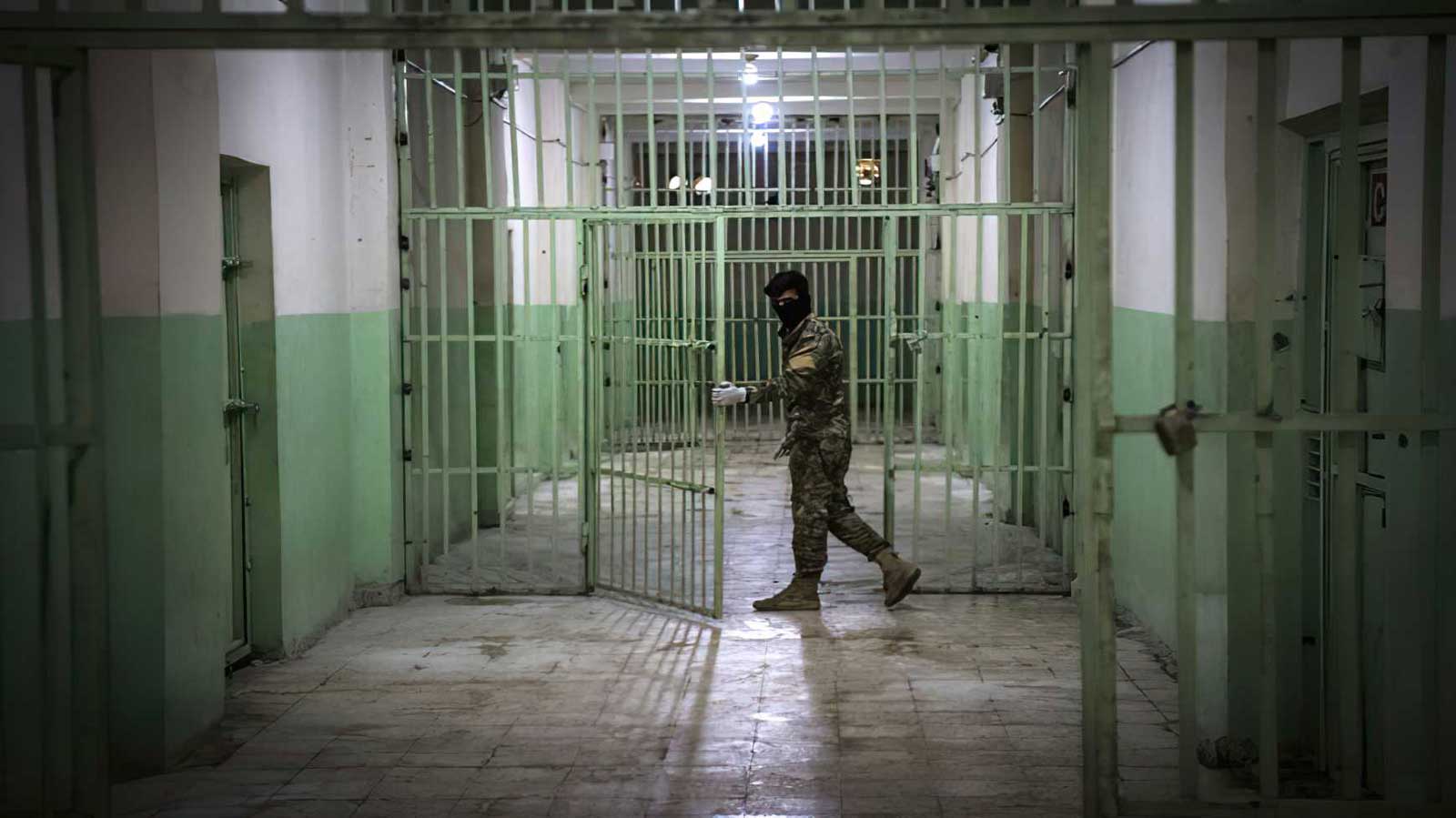
In a landmark case that underscores the growing international focus on accountability for human rights abuses, a former high-ranking Syrian prison official has been indicted in the United States. The charges against him include torture, war crimes, and crimes against humanity, stemming from his tenure as the head of a notorious prison in Syria during the civil conflict that erupted in 2011.
The individual, identified as Majed Hamad, served as the director of a detention facility known for its harsh conditions and systematic abuse of inmates. The allegations against him detail various forms of torture that were employed against detainees, including beatings, electric shocks, and sexual violence. These practices were reportedly part of a broader strategy employed by the Syrian government to suppress dissent and instill fear among the population.
The indictment was announced by the U.S. Department of Justice, which has increasingly focused on prosecuting individuals implicated in severe human rights violations. Officials have stated that this case is part of a larger commitment to seek justice for victims of atrocities committed in Syria and elsewhere. “This indictment demonstrates our resolve to hold accountable those who engage in torture and other forms of cruel, inhuman, or degrading treatment,” remarked a spokesperson from the Department of Justice.
This case is particularly significant given the ongoing humanitarian crisis in Syria, where millions have been displaced due to the violence and instability that has persisted for over a decade. The Syrian civil war has resulted in widespread allegations of human rights abuses, including the use of chemical weapons against civilians, indiscriminate bombing of populated areas, and systematic torture in prisons.
In recent years, various international bodies and organizations have sought to document these abuses, compiling evidence and testimonies from survivors. This has led to calls for accountability, not only through national courts but also through international mechanisms such as the International Criminal Court (ICC). However, the ICC has faced challenges in prosecuting individuals for crimes committed in Syria due to issues related to jurisdiction and the Syrian government’s non-cooperation.
Hamad’s indictment is particularly noteworthy as it represents one of the first times that a former Syrian official has been charged in a U.S. court for actions taken during the civil war. Legal experts have pointed out that this case could set a precedent for future prosecutions and may encourage other nations to pursue similar actions against individuals accused of war crimes.
The U.S. government has been working with various international partners to compile evidence against individuals involved in human rights abuses in Syria. This includes collaboration with organizations that specialize in documenting war crimes, as well as efforts to provide support for Syrian civil society groups that seek justice for victims.
The indictment process itself has been complex, involving extensive investigation and the collection of testimony from numerous witnesses, many of whom have fled Syria and now reside in other countries. Testimonies from former detainees have played a crucial role in substantiating the claims against Hamad, providing firsthand accounts of the torture and abuse that occurred under his command.
As the case progresses through the U.S. legal system, it will likely draw attention from various human rights organizations and advocacy groups. These organizations have long pushed for accountability for crimes committed during the Syrian conflict and may see this case as a step forward in their efforts.
In addition to the legal implications, the indictment raises important questions about the broader political context surrounding the Syrian civil war. The conflict has involved multiple actors, including state and non-state groups, and has resulted in a complex web of alliances and enmities. The ongoing violence, coupled with the humanitarian crisis, has led to significant geopolitical ramifications, with various countries taking sides and influencing the course of the conflict.
The response from the Syrian government regarding this indictment has not yet been officially articulated. However, it is expected that officials in Damascus will reject the charges, viewing them as politically motivated. The Syrian regime has consistently denied allegations of human rights abuses and has accused foreign powers of attempting to undermine its sovereignty.
As the legal proceedings unfold, Hamad will have the opportunity to defend himself against the charges in a court of law. The U.S. legal system provides a structured process for such cases, ensuring that the accused has access to legal representation and a fair trial. The outcome of this case could have significant implications not only for Hamad but also for the broader landscape of accountability for human rights abuses.
In summary, the indictment of the former Syrian prison chief in the United States represents a crucial moment in the pursuit of justice for the victims of the Syrian civil war. It highlights the ongoing efforts to confront impunity for human rights violations and provides a potential pathway for other nations to follow in holding perpetrators accountable. As the international community continues to grapple with the ramifications of the Syrian conflict, this case may serve as a pivotal example of how legal mechanisms can be utilized to address egregious acts committed during times of war.