In a significant setback for global environmental efforts, countries participating in the United Nations talks aimed at establishing a comprehensive treaty to tackle plastic pollution failed to reach an agreement. The negotiations, which took place in Nairobi, Kenya, were marked by deep divisions among nations regarding the scope, funding, and enforcement mechanisms of the proposed treaty.
Delegates from nearly 200 countries gathered for the fifth session of the Intergovernmental Negotiating Committee (INC-5) on plastic pollution, but differing priorities and economic interests hampered progress. Many developing nations pushed for stronger commitments from wealthier countries, arguing that they should bear a larger share of the responsibility for reducing plastic waste, which is predominantly produced by industrialized nations.
The proposed treaty aims to address the entire lifecycle of plastics, from production to disposal, and to significantly reduce the amount of plastic entering the oceans. However, key sticking points included disagreements over legally binding targets and the timeline for implementation. Some countries expressed concerns that ambitious targets could harm their economic growth, particularly in regions where plastic production is a vital industry.
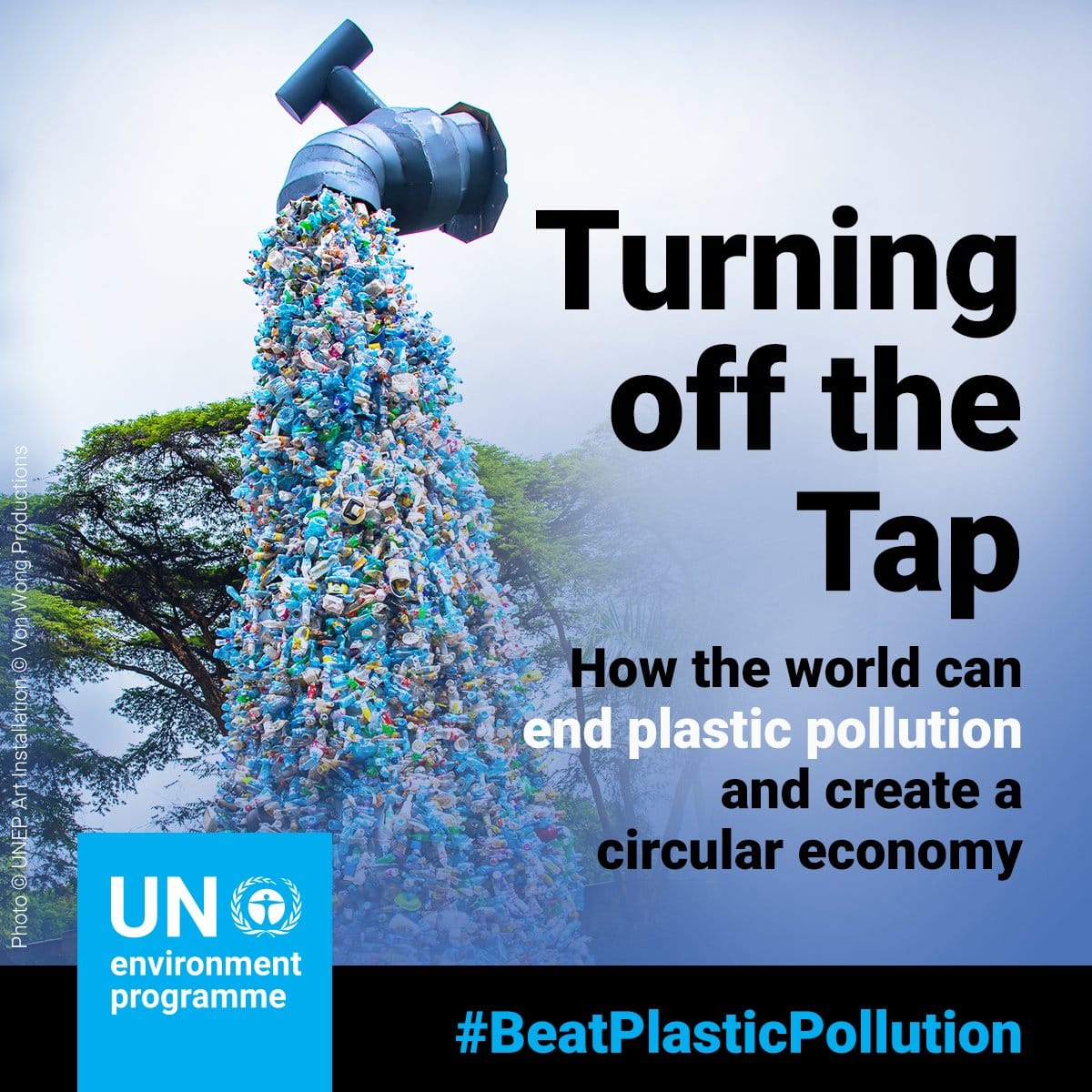
Environmental organizations have criticized the lack of progress, emphasizing the urgent need for action. According to a report by the United Nations Environment Programme (UNEP), an estimated 11 million metric tons of plastic waste enter the oceans every year, a figure that is expected to triple by 2040 if current trends continue. The impact of plastic pollution on marine life and ecosystems is profound, with countless species affected by ingestion and entanglement.
The failure to reach an agreement at INC-5 has raised questions about the future of international cooperation on plastic pollution. Activists and experts are calling for a renewed commitment from countries to prioritize environmental sustainability and to take decisive action to combat this pressing issue. “We cannot afford to wait any longer,” said Inger Andersen, Executive Director of UNEP. “The time for action is now, and we must work together to find solutions that protect our planet for future generations.”
As the talks concluded, delegates agreed to continue discussions in future sessions, but the lack of consensus has left many doubtful about the prospects for a meaningful treaty. The next meeting is scheduled for early 2024, where countries will attempt once again to bridge their differences and address the growing plastic crisis.
For further information, you can visit the United Nations Environment Programme’s report on plastic pollution at https://www.unep.org/resources/report/plastic-pollution-global-crisis and read more about the negotiations at https://www.bbc.com/news/science-environment-66934565.