In the wake of political changes and ongoing conflicts in Syria, the nation is experiencing a significant shift towards a free-market economy, with both challenges and opportunities. As new leaders take the reins and attempt to stabilize the nation’s financial stance, the struggle to balance government support and market forces will play a critical role in determining the country’s future economic growth. This article explores the impacts of these political changes on Syria’s economy and delves into the complexities and consequences that will likely arise as the nation transitions its economic framework.
The political upheaval in Syria, spearheaded by President Bashar al-Assad’s regime and the rise of new opposition forces, has resulted in both internal conflict and a devastating humanitarian crisis. However, the shifting landscape of this conflict-ridden nation also presents an opportunity for economic change, as the enforced transitions to a more market-oriented economy may gradually open up new commercial prospects for domestic and international enterprises alike. As the fight for power and resources continues, it is essential to understand the evolving financial and business climate in Syria and forecast the potential implications of these transitions on both the local and global scale.
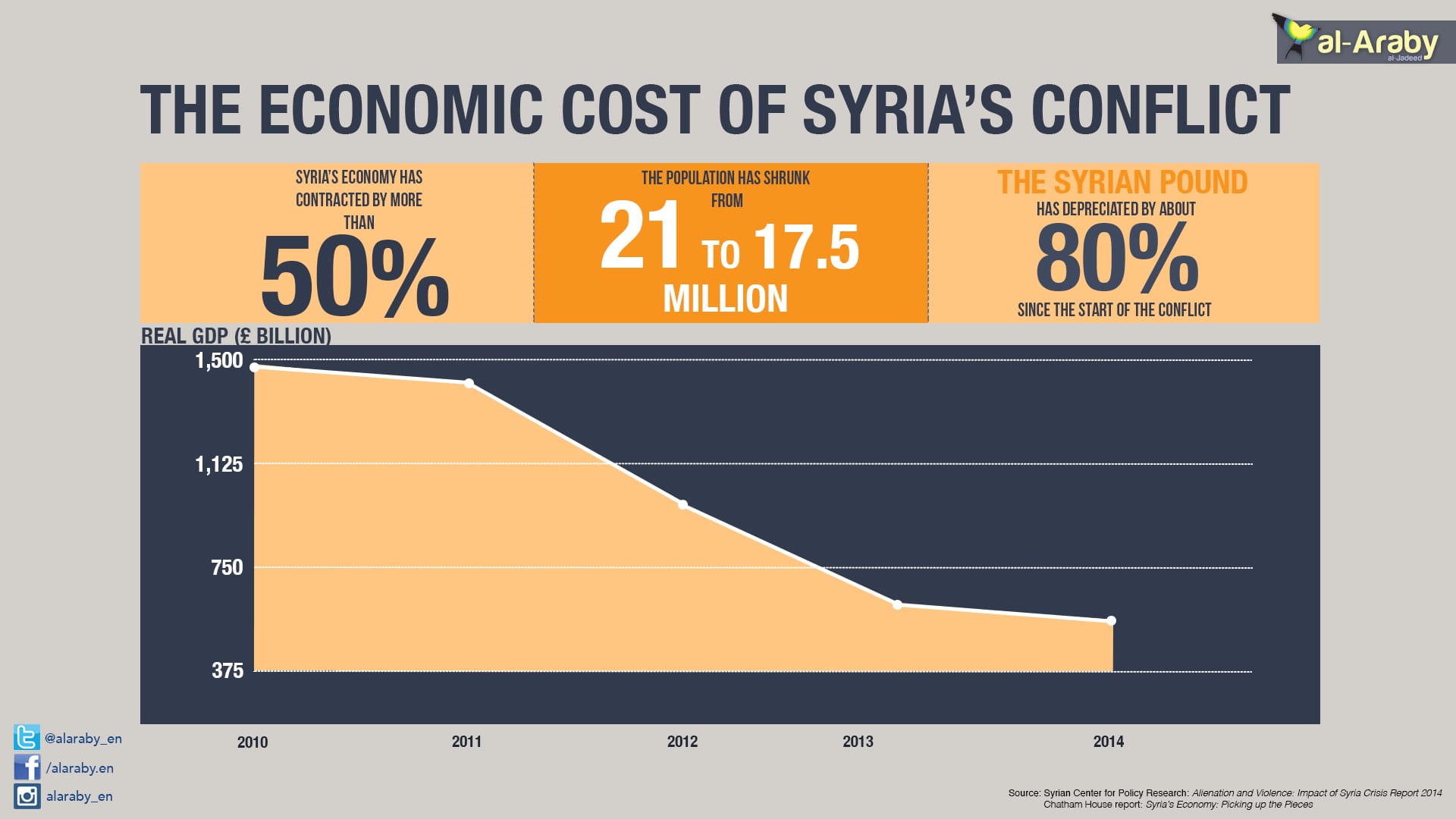
Prominent business leaders within the country have recently come forward to express support for the ongoing shift towards a free-market economy, acknowledging the benefits that these economic changes may bring. By adopting a more capitalistic approach to their economic system, the nation will have the chance to witness increased investment, competition, and growth. However, this should not come without its challenges, as the country attempts to deal with inflation, scarcity of resources, a severely weakened currency, and the need for international aid to stabilize its financial system.
Central to this transformation is a need for credible governance structures that can oversee these economic shifts and protect investors and citizens alike. The conflict-plagued history of Syria has resulted in governmental mistrust and a lack of faith in the ability of these new structures to successfully facilitate the transition to a free-market economy. This has left many businesses and individuals apprehensive, unsure of what the future holds. As such, capacity-building has never been more critical, as the war-torn country strives to rebuild and finance its economy without the heavy hand of state control and dependence.
In light of the above analysis, it seems evident that the shift towards a free-market economy in Syria is a necessary step towards recovery. In dealing with the ongoing political conflict, this adoption of a more open and diversified economic model can serve to create jobs and inject value into a struggling nation. It is essential, however, to consider the accompanying challenges and potential setbacks that this new economic system could bring. Through regional alliances, cooperation, and foreign investments, this intricate dance between the forces of state-led planning and free-market capitalism may eventually prove successful, paving the way for a prosperous and economically stable future for Syria.