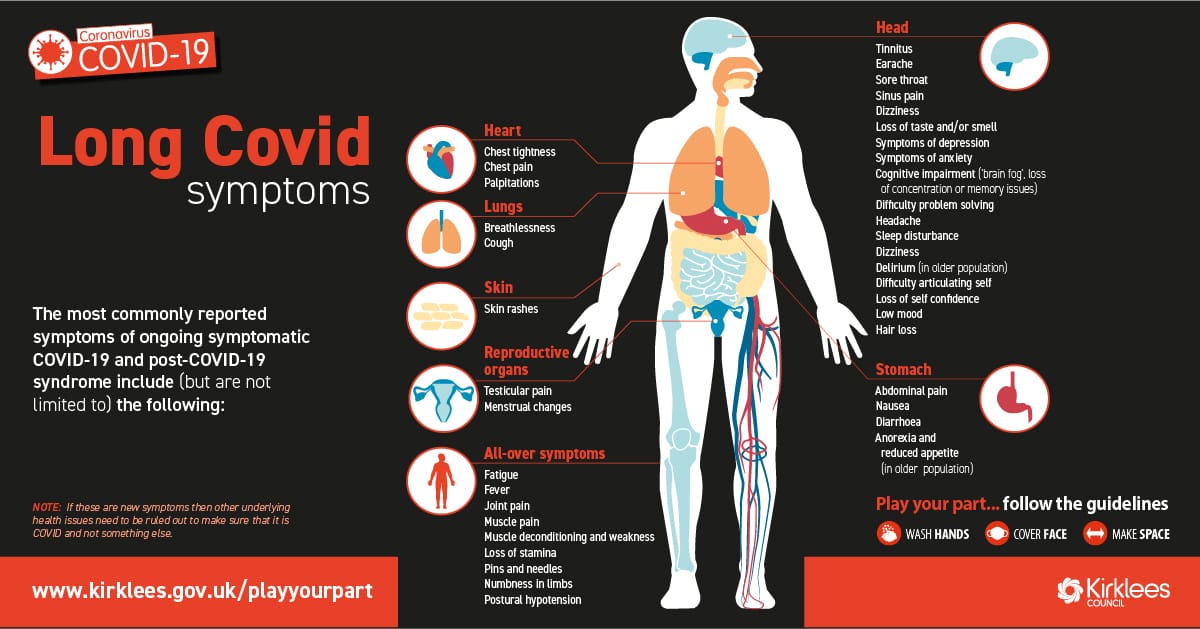
The phenomenon of brain fog has become increasingly prominent in discussions surrounding Long COVID, a condition experienced by numerous individuals after their initial recovery from COVID-19. Characterized by symptoms such as memory lapses, concentration difficulties, and overwhelming fatigue, brain fog has raised questions about the underlying biological mechanisms contributing to these cognitive challenges. Recent research has begun to shed light on the potential connection between brain fog and markers of inflammation and stress, providing insights that could inform treatment strategies for affected individuals.
The term “brain fog” encapsulates a range of cognitive difficulties affecting many Long COVID patients. These symptoms can manifest as decreased mental sharpness, difficulties with attention, slowed processing speed, and impaired executive function. Although brain fog is not a formally defined medical condition, it has emerged as a dominant concern among individuals recovering from COVID-19, affecting their daily life and overall quality of life. Understanding the underlying causes of this cognitive dysfunction is essential for developing effective interventions.
One crucial area of investigation involves the role of inflammation in cognitive functioning. Inflammation is a complex biological response of the immune system and can become dysregulated in the aftermath of infections. In the case of COVID-19, significant inflammation may persist in some individuals long after the acute phase of the viral infection has subsided. Studies have shown that inflammatory markers—such as cytokines—can adversely affect neuronal function, leading to cognitive impairment. These molecules, which facilitate immune response, can influence neurotransmitter activity, blood flow to the brain, and even neural connectivity.
A recent study published in a peer-reviewed journal examined the association between inflammatory markers and cognitive function in Long COVID patients. Researchers found elevated levels of specific cytokines in participants experiencing brain fog compared to control groups. This connection suggests that inflammation may play a fundamental role in the cognitive symptoms some individuals experience, aligning with indications from previous research that inflammation is closely linked to various neurological conditions.
Complementing the inflammatory response is the stress experienced by individuals dealing with the fallout of the pandemic. Psychological stress has been shown to have significant effects on cognitive health. Chronic stress can lead to changes in brain structure and function, particularly in regions associated with memory and executive functions, such as the hippocampus and prefrontal cortex. The interplay between stress and inflammation is well documented, as stress can exacerbate inflammatory responses, potentially creating a vicious cycle. Understanding how stress impacts cognitive function and how it interacts with inflammation becomes increasingly crucial for individuals experiencing Long COVID brain fog.
The relationship between stress markers and cognitive performance in individuals recovering from COVID-19 has been another focal point of ongoing research. Elevated levels of cortisol, the body’s primary stress hormone, have been observed in those reporting cognitive impairments related to Long COVID. High cortisol levels can impair memory and concentration, leading to difficulties in daily functioning. Furthermore, mental health conditions, such as anxiety and depression, which frequently accompany chronic physical illness, can intensify the experience of brain fog by further impacting cognitive capacities and resilience.
In addressing these symptoms, it is essential for healthcare providers to approach treatment holistically. Individuals reporting brain fog should receive comprehensive evaluations to determine the presence of inflammation, stress, and any underlying health issues. A multidisciplinary approach—including neuropsychological assessments, physical rehabilitation, and psychological support—might offer a comprehensive strategy to break the cycle of inflammation and stress. Engaging in specific cognitive rehabilitation therapies and mindfulness programs may also provide benefits to those suffering from Long COVID brain fog. These interventions aim to enhance cognitive function while alleviating stress and moderating inflammatory responses.
Moreover, lifestyle changes such as diet, physical activity, and stress management techniques have the potential to reduce inflammation and promote cognitive recovery. A balanced diet rich in anti-inflammatory foods, regular exercise, and mindfulness practices can contribute positively to both mental and physical health. Being aware of the links between emotional well-being and cognitive performance can empower individuals to take proactive steps toward recovery.
In conclusion, the growing body of evidence supports the notion that brain fog in Long COVID patients may be significantly linked to markers of inflammation and stress. Understanding these connections is critical for developing effective treatment strategies and improving the quality of life for those affected. As ongoing research continues to explore this area, it becomes increasingly evident that addressing both the physiological and psychological dimensions of recovery will be vital for achieving optimal outcomes for individuals grappling with Long COVID brain fog.