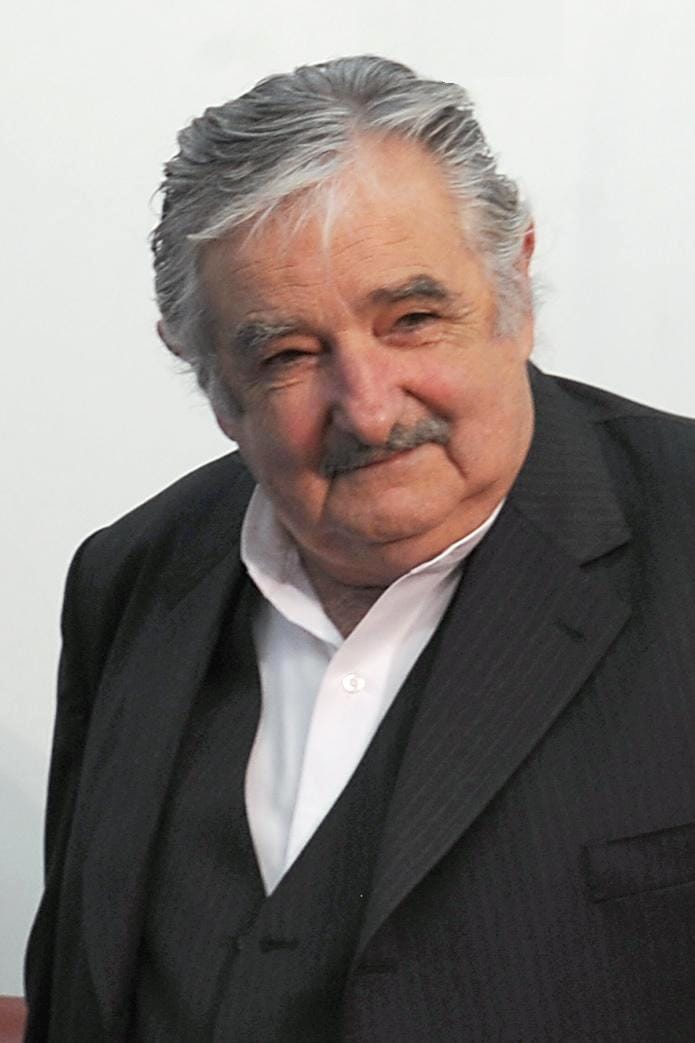
José Mujica, the former president of Uruguay, widely regarded as the ‘world’s poorest president,’ has passed away at the age of 89. Born on May 20, 1935, in Montevideo, Mujica became a symbol of humility and simplicity in politics, which resonated with many both in Uruguay and around the world. His rise to prominence was not just as a political figure but as an embodiment of the values of respect and integrity in public service.
Mujica’s political career began in the 1960s when he joined the Tupamaros, a leftist guerrilla group that sought to challenge the existing political system in Uruguay. After years of imprisonment and a harsh period of military dictatorship during the 1970s and 80s, he emerged onto the political scene as a pacifist and advocate for democracy. In 2010, Mujica was elected as Uruguay’s president and served until 2015, during which time he implemented progressive social reforms that included the legalization of same-sex marriage and the decriminalization of marijuana. These measures not only modernized Uruguay’s social policies but also positioned it as a leader in human rights within Latin America.
Despite his position of power, Mujica adhered to his ideals of minimalism and lived a frugal lifestyle. He famously donated about 90% of his presidential salary to charities and other social causes, choosing to live in a modest farmhouse as opposed to the luxurious presidential residence. His simple attire and rustic demeanor starkly contrasted with typical political norms, making him an iconic figure whose lifestyle choices reflected his values. This simplistic approach earned him the nickname ‘world’s poorest president,’ a title he embraced, often using it to promote his message of social equity and responsible governance.
Mujica’s leadership style was characterized by a candid approach and deep empathy for the underserved. He believed that the role of a leader was to serve the people, not to elevate oneself. During his presidency, he addressed various societal issues, focusing on poverty, inequality, and the importance of democratic engagement. His public speeches often emphasized happiness over wealth, urging citizens to consider what it truly means to live a fulfilled life. He expressed his views with a combination of profound wisdom and a relatable tone, which endeared him to many.
Moreover, Mujica was an advocate for environmental sustainability. He often spoke out against overconsumption and the negative impacts of globalization on natural resources. His administration introduced measures aimed at promoting clean energy and sustainable farming practices, positioning Uruguay as a forward-thinking nation in the realm of environmental policy. He believed in leaving a legacy for future generations, emphasizing the need to protect the planet amidst growing concerns over climate change.
In the international arena, Mujica was a vocal critic of inequality and neoliberal policies, often challenging global leaders to adopt more equitable approaches in their governance. He participated in various international discussions, advocating for peace, justice, and human rights, bringing a unique perspective from his experiences in Uruguay. His influence reached far beyond his own country, inspiring various movements across Latin America and beyond.
After completing his presidency, Mujica remained active in public life, continuing to engage in social issues and participating in dialogues on democracy and governance. His remarks on humanitarian issues and social equality continued to be relevant and influential. Many viewed him as a moral compass in contemporary politics, someone who championed the idea that true leadership is about accountability and service to the community.
Mujica’s death marks the end of an era for Uruguay and resonates deeply with those who admired his humility and principles. His contributions to social justice, human rights, and environmental sustainability will undoubtedly be remembered as vital components of his legacy. As the world reflects on his life, it’s important to remember his teachings on compassion, equality, and the essence of true happiness.
In summary, José Mujica’s life is a testament to the power of integrity and the importance of serving the greater good. His journey from a guerrilla fighter to a beloved national leader illustrates a profound dedication to social equity and a noteworthy commitment to peace. As Uruguay and the world mourn his passing, his messages of simplicity, compassion, and social justice will continue to inspire many for generations to come.