Astronomers have achieved a remarkable milestone in the quest to uncover the mysteries of the cosmos by capturing an exceptionally detailed image of a newborn star. The dazzling photograph, taken at the core of interstellar activity in the Taurus Molecular Cloud, presents a vivid depiction of HH 30, a young star surrounded by swirling clouds of gas and dust. This unprecedented image marks a significant step in our understanding of how stars and planets come into existence in the universe.
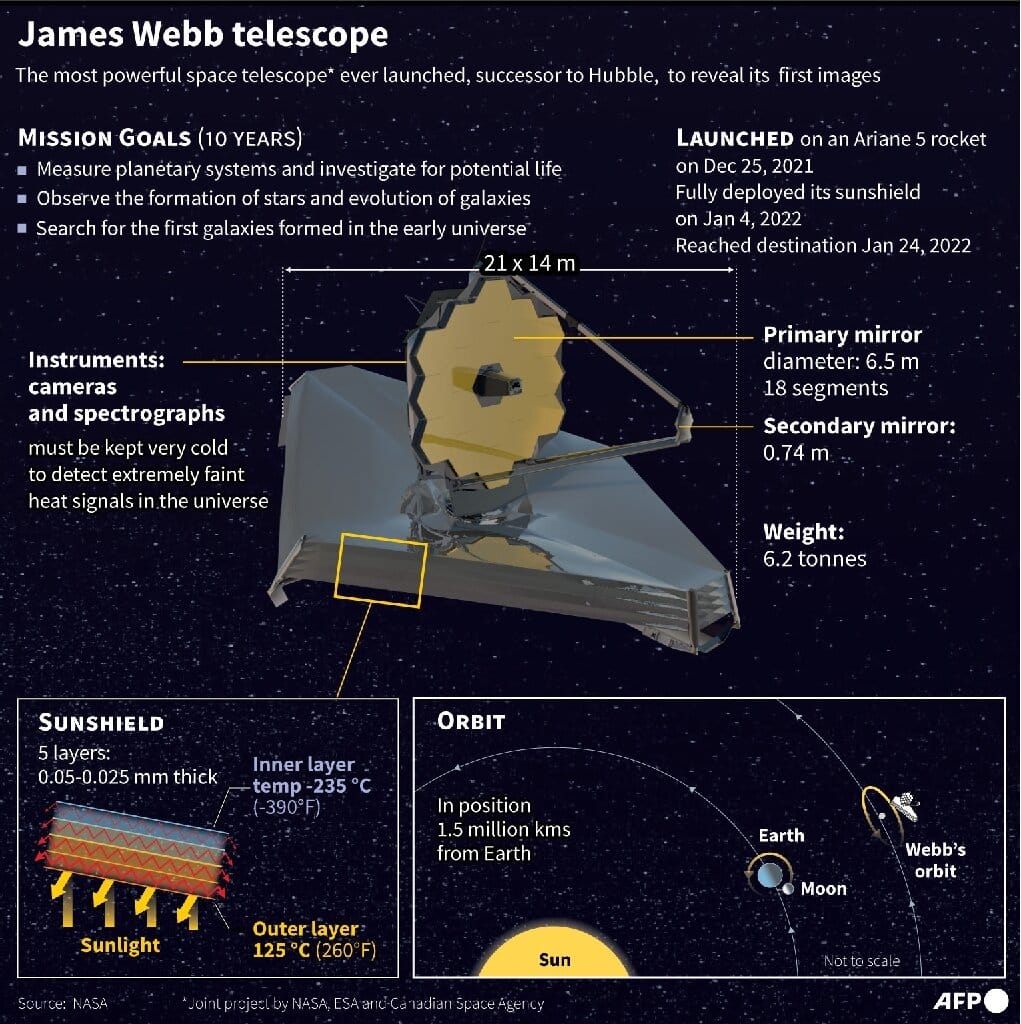
The stunning image was captured using the James Webb Space Telescope (JWST), adding to its impressive repertoire of astronomical discoveries. The telescope, famed for its powerful infrared imaging capabilities, enabled researchers to cut through the dense molecular cloud obscuring HH 30. The image revealed the star shrouded in a protoplanetary disk—a rotating reservoir of dust and gas that acts as the cradle for star and planet formation.
HH 30 is classified as a Herbig-Haro object, a short-lived phenomenon characterized by the energetic interactions between a very young star and its surrounding environment. These interactions produce jets of ionized gas flowing at supersonic velocities, which in turn illuminate the surrounding regions in brilliant patterns. The image starkly delineates this process, making the star an exceptional subject for ongoing studies.
The observation of HH 30 provides an insight into the physics of a protoplanetary disk. Such disks are significant for their role in shaping new celestial bodies. As material within the disk coalesces under the force of gravity, not only does the star at the center grow, but planets and other objects may also begin to form within the disk. The Taurus Molecular Cloud, where HH 30 resides, is already noteworthy for being one of the richest star-forming regions in the Milky Way, containing multiple other stellar nurseries.
For astronomers and astrophysicists, the captured image serves as both a marvel and a scientific goldmine. The complexity of the star-forming processes can now be analyzed in more depth thanks to the ability of JWST to peer deep into the dense accumulation of gas and dust that veils these regions. Observations like this offer clearer clues about the initial phases of a star’s life cycle, setting the scene for how solar systems—like our own—evolve.
What sets this discovery apart is the incredible resolution of the JWST’s optics, which brings unique details of HH 30 into focus. While prior telescopes, such as the Hubble Space Telescope, have made inroads in observing Herbig-Haro objects, the level of detail provided here surpasses earlier efforts significantly. The fine structure of the jets emanating from HH 30, as well as the composition of the material in its protoplanetary disk, is now visible with clarity never before achieved.
Additionally, this discovery might pave the way for understanding key transitions in stellar evolution. At birth, stars undergo violent episodes marked by mass ejections and gravitational compression. Studying these birth pangs and the interaction within a protoplanetary disk can reveal why some stars successfully host planetary systems while others do not. Researchers are particularly keen to see how the interactions between the jets and the disk influence whether the emerging planetary system becomes stable or chaotic.
HH 30 presents another piece in the puzzle of how stars serve as the building blocks of galaxies, including our own Milky Way. Beyond its immediate scientific contributions, the visual spectacle of this celestial object is also an inspiration for observers worldwide, offering a glimpse into the vast and dynamic processes of the universe.
The image of HH 30 can potentially answer questions about the early evolutionary stages of stars. If scientists could evaluate the rate at which material accretes onto the star from the disk, they would have invaluable data to compare with simulations of star formation. Understanding these processes could ultimately help in predicting the long-term outcomes for other stellar systems.
Astronomers are optimistic that HH 30 is just one of many celestial wonders that the JWST will unlock. As the telescope continues its mission of exploring uncharted territories in the universe, it is anticipated to unveil more groundbreaking images and data. However, its image of HH 30 already stands out as emblematic of the telescope’s ability to break barriers that previously limited our knowledge of space.
In conclusion, the unveiling of HH 30’s high-resolution image represents a triumph of modern technology paired with humanity’s enduring curiosity to explore the universe. This discovery not only brings us closer to the stars but also deepens our connection to our cosmic origins, highlighting the astonishing genesis of the worlds beyond our own.