In a surprising development that has captivated the attention of industry analysts and policymakers alike, former President Donald Trump has unveiled his plans for a partnership involving U.S. Steel and Japan’s Nippon Steel. The announcement has raised eyebrows, as the logistics and potential outcomes of the deal remain shrouded in uncertainty. While the intentions behind the initiative are not fully articulated, its potential impact on the American steel industry cannot be ignored.
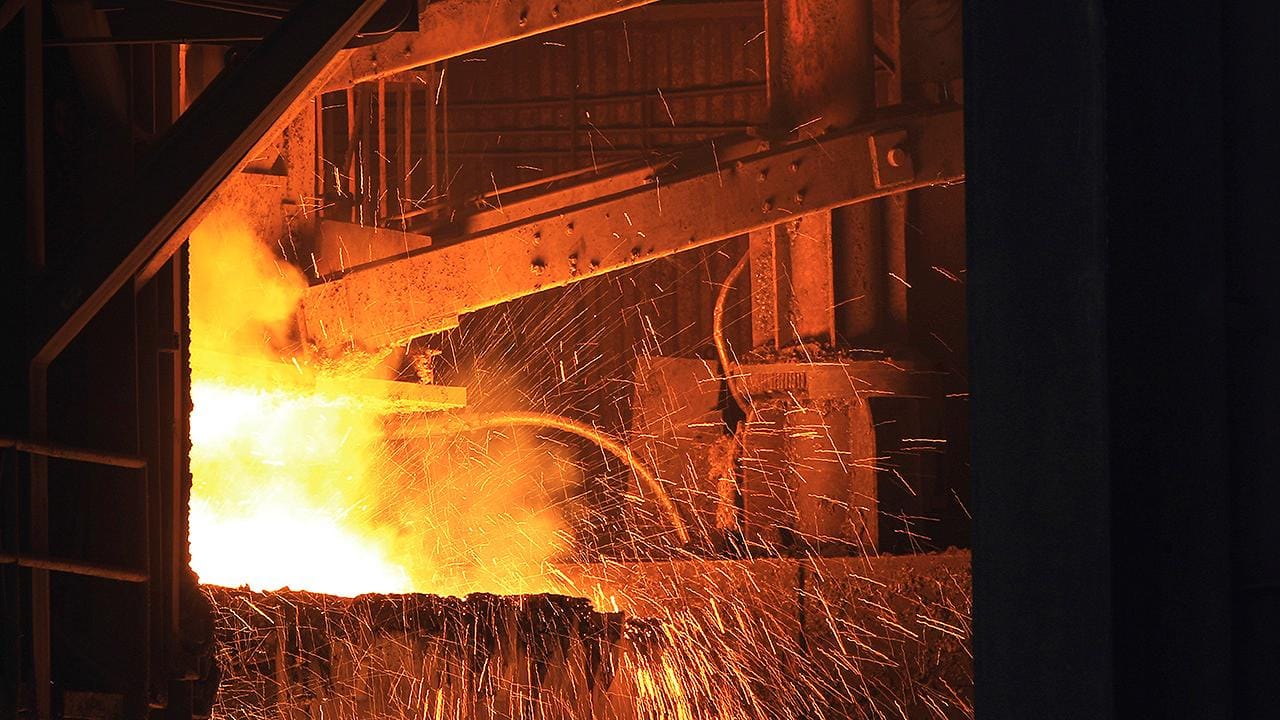
In recent years, U.S. Steel, one of the oldest and most recognizable names in the American steel manufacturing sector, has faced a myriad of challenges. These include fluctuating demand, rising production costs, and competition from overseas producers. The proposed partnership with Nippon Steel, a major player in the global steel market, could represent a strategic move aimed at addressing some of these challenges. However, the lack of clarity surrounding the details of Trump’s plan has left many industry observers bewildered.
Analysts have been quick to point out that the American steel industry is at a critical juncture. With ongoing discussions about infrastructure investment and the push for green technology, the demand for steel remains an important factor in shaping the economic landscape. If executed effectively, a deal with Nippon Steel could provide U.S. Steel with the necessary resources and technological expertise to expand its production capabilities. Yet, the specifics of how this partnership would materialize are still not publicly available.
Critics of Trump’s proposal have raised valid questions regarding the potential ramifications on job security and wage structures within U.S. Steel. Many in the workforce worry about the likelihood of job reductions or relocations as a result of this international collaboration. A key concern is whether the alignment with a foreign entity may lead to a dilution of local employment opportunities, particularly in regions heavily reliant on the steel industry. However, advocates argue that such a partnership could also lead to increased investment in domestic facilities, potentially creating new jobs and fostering economic growth.
Furthermore, Trump’s announcement has ignited a discussion about the broader influence of international trade on American manufacturing. The steel industry has often been subjected to the ebbs and flows of global trade relations and tariffs. As Trump seeks to re-establish a prominent position for U.S. Steel in the market, the complexities of navigating international agreements become increasingly evident. Trade experts emphasize the need for nuanced understanding and careful negotiation to avoid pitfalls that might arise from misalignment with existing trade policies.
The implications of a partnership with Nippon Steel extend beyond just the immediate business relationship. It taps into the ongoing narrative surrounding American manufacturing, domestic production, and national security. As concerns about supply chain vulnerabilities have become central to economic discussions, this potential collaboration may pose questions about the resilience of the American steel industry. Stakeholders will be closely watching how these dynamics evolve and whether they lead to an enhanced competitive stance in the global market.
Both companies, if they do choose to move forward with negotiations, will need to engage with regulatory bodies and labor organizations to ensure compliance with labor laws and economic expectations. Partnering with a foreign entity adds layers of complexity concerning regulations, safety standards, and labor negotiations. As such, transparency in communications will likely be essential to allay fears and foster trust among employees, consumers, and investors.
As public debate continues regarding the trajectory of American infrastructure projects, the timing of Trump’s announcement raises additional questions. Some analysts argue that the push for a steel partnership coincides with larger political and economic strategies that may become more pronounced in upcoming election cycles. Public opinion surrounding foreign partnerships could influence voter sentiment, making it crucial for key stakeholders to carefully consider their positions.
In summary, the unfolding story of Trump’s proposal for a U.S. Steel and Nippon Steel partnership introduces an array of uncertainties while simultaneously opening potential avenues for growth and investment. The future of the American steel industry hangs in a delicate balance, influenced by internal ambitions, labor relations, and global market dynamics. Stakeholders from all sectors will need to engage in transparent dialogue and strategic planning to navigate the complex terrain presented by this proposed partnership.
While the conversation around Trump’s initiative continues to evolve, the importance of the steel industry remains a constant. As discussions unfold, the need for informed, unbiased commentary will be paramount to deciphering the future landscape of American manufacturing and its role on the global stage.