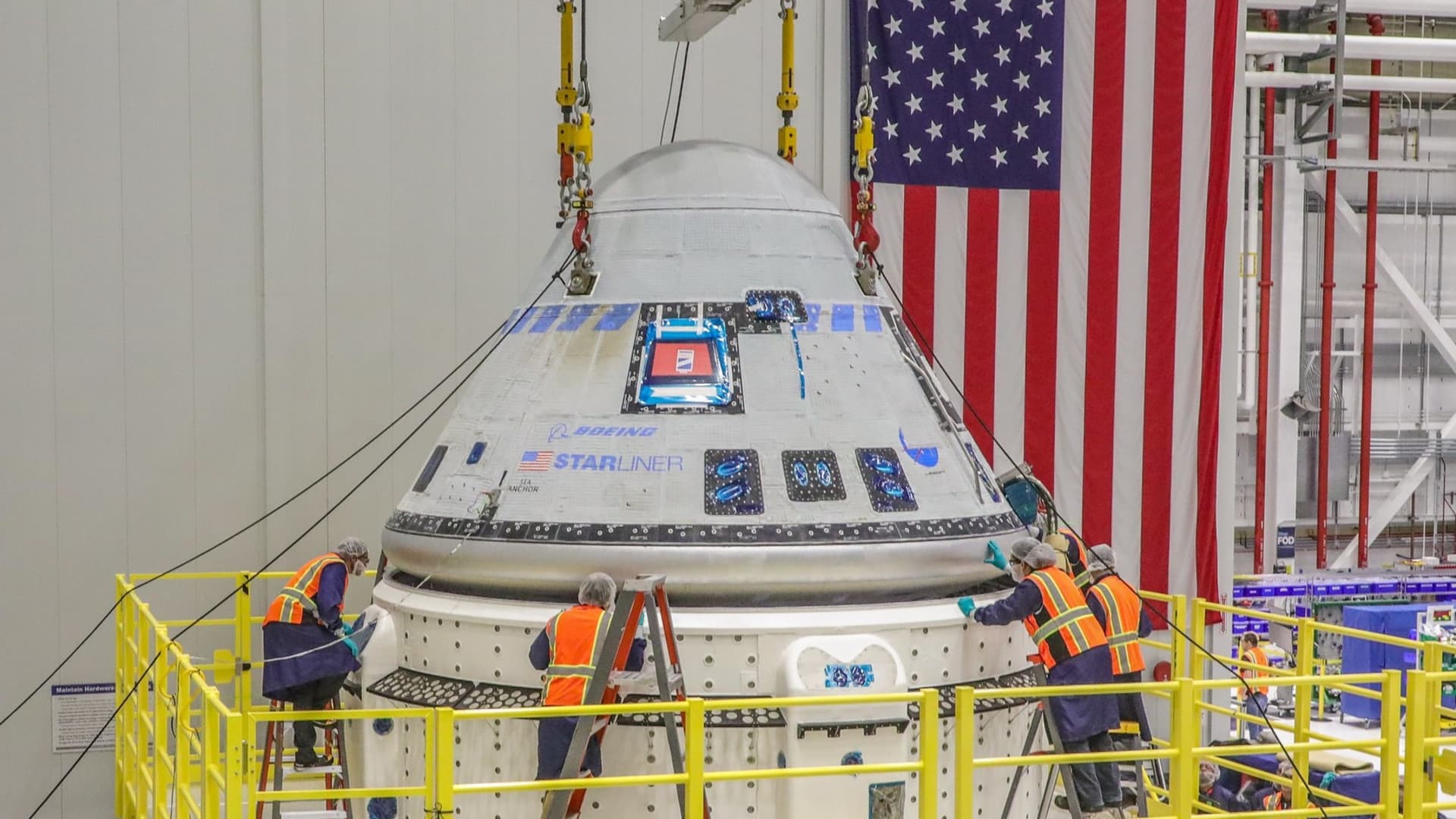
NASA’s latest Aerospace Safety Advisory Panel (ASAP) report has highlighted new issues with Boeing’s CST-100 Starliner spacecraft, adding to a growing list of challenges faced by the project. The Starliner, initially designed to function as a part of NASA’s Commercial Crew Program, has been marred by recurring delays, technical obstacles, and budget overruns, leading many to question its readiness for crewed flight missions.
The safety review specifically identified new technical discrepancies observed during the spacecraft’s flight trials. According to the report, these issues were serious enough to demand immediate corrective actions, further delaying Starliner’s operational timeline. This development comes at a precarious time for Boeing, as it seeks to meet stringent requirements mandated under its $4.2 billion contract with NASA.
Recurring Issues Stall Progress
The Starliner program has long been impacted by a series of unresolved technical challenges. Earlier test flights revealed problems with its parachute systems, propulsion mechanisms, and software integration. Despite Boeing’s assertions that improvements are underway, the safety report indicated that these new issues echo past failures, exposing systemic weaknesses in quality assurance protocols.
NASA officials have expressed concern over the spacecraft’s safety margins, specifically related to its capability to safeguard crew members during critical mission phases like undocking and re-entry. These new revelations have reignited debates regarding whether Starliner should proceed with its first crewed test flight, originally slated for mid-2023 but perpetually postponed to future dates.
Financial and Operational Impact
Boeing’s setbacks with Starliner have led to substantial financial losses for the aerospace giant, recently crossing the $2 billion mark. These costs reflect not only delays in meeting project milestones but also the expense of implementing successive corrective measures.
Industry analysts suggest that such ballooning costs could weaken Boeing’s ability to remain competitive in the long term, particularly with SpaceX cementing its position as NASA’s primary commercial crew partner. SpaceX’s Crew Dragon capsules, which have completed multiple successful missions, offer a stark contrast to Starliner’s troubled development history.
Calls for Independent Oversight
In light of the findings, the ASAP has urged NASA to consider conducting an independent review of the Starliner program. The panel emphasized the importance of this measure to avoid compromising astronaut safety. The call for an external audit underscores skepticism regarding whether Boeing’s internal reviews and fixes will sufficiently address the persistent gaps in the spacecraft’s safety design.
Meanwhile, congressional scrutiny of Boeing’s performance under its NASA contract has increased, with some lawmakers questioning whether the project continues to deliver value to taxpayers. Critics argue that NASA could redirect resources towards more reliable partners, potentially phasing out the Starliner program altogether.
A Pivotal Year Ahead
2025 is shaping up to be a decisive year for Starliner’s future. While Boeing has committed to rectifying the safety shortcomings highlighted in NASA’s report, delays in accomplishing these objectives could significantly damage the program’s long-term viability. Observers maintain that the company must demonstrate measurable progress both technically and financially to restore confidence among stakeholders.
For NASA, the stakes are also high. The agency’s Commercial Crew Program relies on partnerships with private industry to achieve its goals of dependable and cost-effective human spaceflight. Therefore, the Starliner’s success or failure will undoubtedly influence the structure of future collaborations between NASA and aerospace contractors.
As Boeing scrambles to address the pressing concerns raised by the NASA safety report, the aerospace community watches closely, recognizing that the outcome will likely have profound implications for the commercial spaceflight sector.

