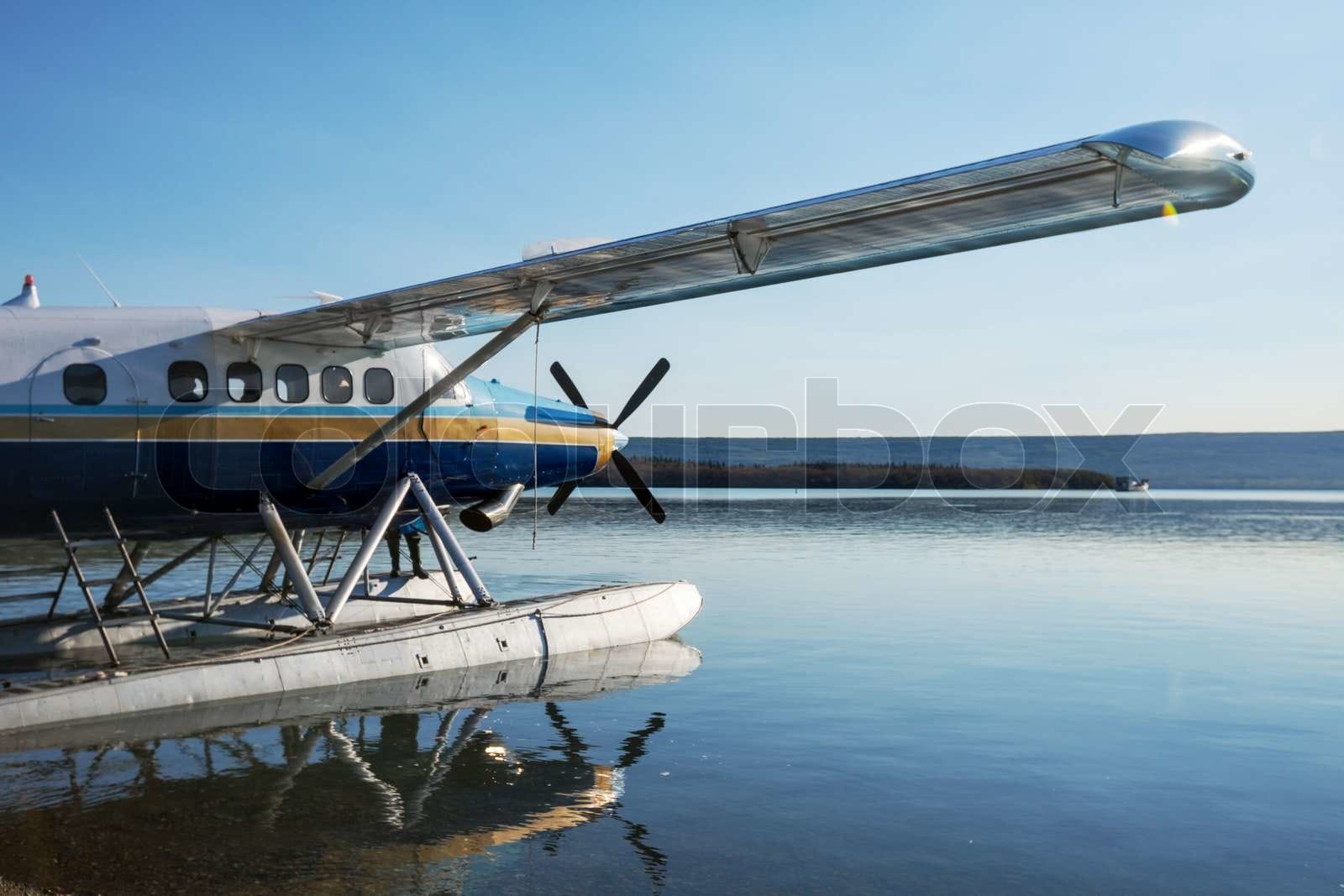
Authorities in Alaska are working tirelessly to locate a Bering Air passenger plane that went missing while flying between the communities of Unalakleet and Nome. The flight, carrying nine passengers and one pilot, has sparked an extensive search involving both air and ground support from the U.S. Coast Guard, the Alaska National Guard, and local emergency services.
The plane, a Cessna 208B Grand Caravan operated by Bering Air, lost contact with air traffic control approximately an hour after its departure on Thursday afternoon. Its last known position places it near Norton Sound, an inlet of the Bering Sea notorious for treacherous weather and winter storms. Officials reported that the aircraft was traveling under challenging meteorological conditions, which have also hampered the ongoing rescue effort.
Challenging Search Conditions
The search operation is made more difficult because of poor visibility and freezing temperatures. Coast Guard aircraft, equipped with advanced search and rescue equipment, are sweeping the area, while local residents and authorities are scouring ground-level locations near the flight’s suspected path.
One of the Coast Guard’s primary aircraft, a C-130 Hercules, has been deployed to the region. This specialized plane is equipped with high-tech imaging systems to locate possible debris, survivors, or clues in hard-to-reach locations. However, local authorities have cautioned that no definitive leads have been found yet, other than some potential debris that might help investigators piece together what happened.
Uncertainty for Families and Communities
The communities of Unalakleet and Nome are close-knit, and the incident has profoundly affected residents. Local landmarks like community centers and schools have become informal gathering spots for families and friends waiting for any news or updates from the authorities.
Community elders and residents have volunteered to support the rescue effort, providing hot meals and shelter to search personnel. In addition, schools in some nearby areas have closed as families remain focused on the crisis at hand.
A History of Aviation Concerns
Alaska, despite its sprawling landscapes and stunning natural beauty, presents significant challenges to air travel. With few roads connecting its remote communities, small aircraft play an essential role in providing transportation and delivering supplies to isolated areas. However, the state’s rugged terrain and unpredictable weather have led to a history of aviation incidents.
This accident marks the third aviation-related emergency in the U.S. this month, sparking further scrutiny about the safety protocols for inter-community flights, particularly in harsh environments like Alaska. Federal agencies, including the Federal Aviation Administration (FAA) and the National Transportation Safety Board (NTSB), have dispatched representatives to Alaska to assist in the crisis and, eventually, lead the investigation.
Hope Prevails Amid Crisis
Despite the many challenges, rescue teams remain committed to scouring for survivors or additional wreckage. Residents of Nome are focusing their efforts on prayer vigils and community activities to support the uncertain days ahead. Still, authorities say time is critical as they continue the search, hoping against fading odds to bring a glimmer of hope to the affected families.
As investigations continue, individuals and organizations stand united in their efforts to locate the missing plane. For now, the eyes of Alaska and the nation remain closely fixed on Norton Sound, waiting for news that might bring clarity and, hopefully, closure to those affected by this harrowing incident.


