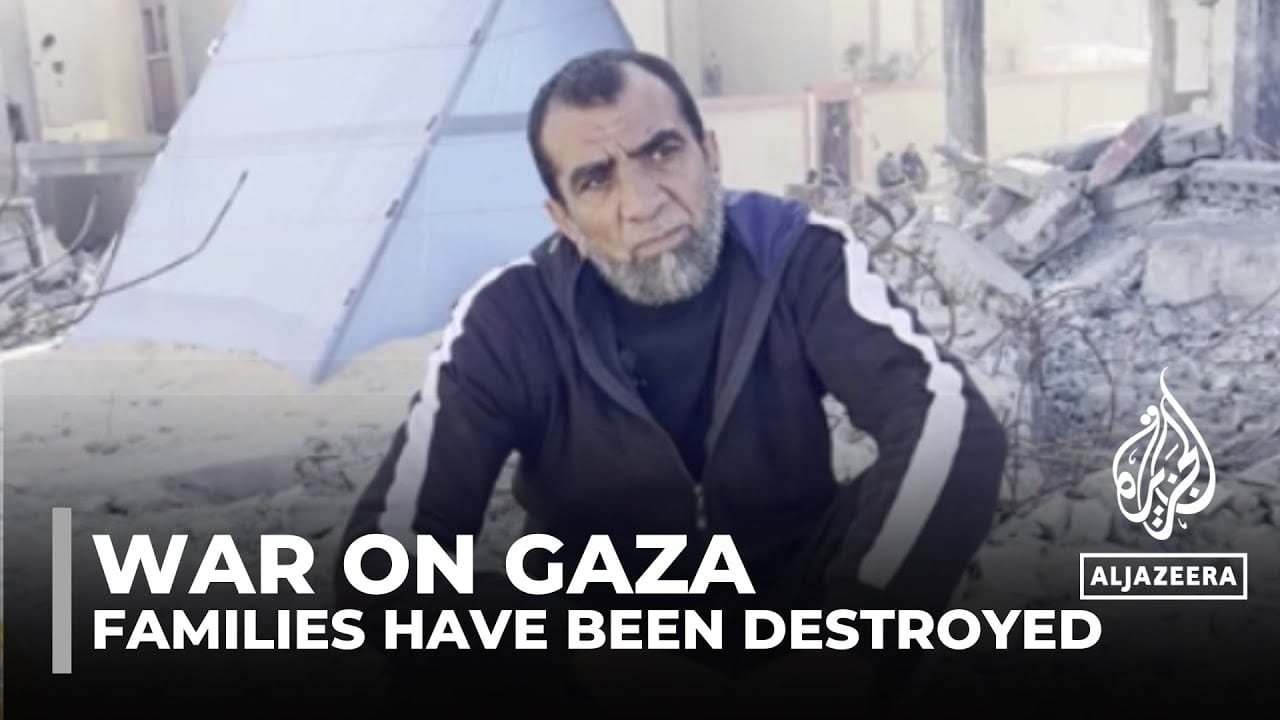
The streets of Rafah, once bustling with daily life, are now a stark reminder of the recent conflict that swept through the area. Residents are beginning to return to the city, not to the familiar sights they left behind, but to a landscape transformed by destruction. Buildings that once housed families and businesses are now shells, bearing the scars of war. The emotional weight of this return is palpable, with many facing the daunting task of rebuilding their lives amidst the rubble. The extent of the damage is significant, affecting not just physical structures but also the essential infrastructure that supports daily life. Water and electricity networks have been severely impacted, adding to the challenges faced by returning residents. The process of restoring these basic services will require a coordinated effort and substantial resources. The economic impact of the conflict is also substantial. Businesses have been destroyed, and the livelihoods of many have been disrupted. The return process is complex, as people try to navigate their way back into a city that has been irrevocably altered. There is an urgent need for humanitarian aid, including shelter, food, and medical assistance, to support the immediate needs of returning populations. The scale of the devastation highlights the fragility of life and the long-term consequences of conflict. Many residents have had to grapple with the loss of loved ones and the trauma of witnessing the violence firsthand. There is a need for psychological support and counseling services to assist in the healing process. The community faces the challenge of both the physical reconstruction of the city and the emotional reconstruction of lives. The rebuilding process will likely be a long and arduous one, requiring patience, resilience, and a commitment to working together to rebuild the community and the lives shattered by conflict. The current situation in Rafah is a clear indicator of the devastating impact of conflict on civilian populations and the critical need for peace and stability. The extent of the destruction underscores the urgency of addressing the root causes of conflict and investing in long-term peace-building efforts. The focus now rests on supporting the residents of Rafah as they begin to rebuild their city and their lives. This will require a concerted effort from local and international partners, combining humanitarian aid, economic development, and support for long-term stability. The task is not just about restoring buildings, it’s about restoring hope and creating conditions for lasting peace. The story of Rafah is a stark reminder of the human cost of conflict and the challenges that arise from returning home in its aftermath. The road ahead will be difficult, but the resilience of the community offers a glimpse of hope for the future. The long-term recovery of Rafah will depend on ongoing support, the unwavering dedication of its residents, and a collective effort to move beyond the devastation. The events in Rafah highlight the significance of addressing the underlying causes of conflict, ensuring the protection of civilians during times of hostility, and promoting the conditions necessary to build peaceful and inclusive communities. The challenges are immense, yet the determination to rebuild and the spirit of the community offer a path forward.
Rafah: The Aftermath of Conflict and Return