Kansas is currently experiencing a substantial rise in tuberculosis cases, according to state health officials. This increase represents the largest tuberculosis outbreak in Kansas since reliable records have been kept, prompting a significant public health response. The Kansas Department of Health and Environment (KDHE), along with local health departments, is actively engaged in contact tracing, testing, and implementing treatment plans to contain the spread of the disease. Tuberculosis is a contagious bacterial infection that primarily affects the lungs, although it can also impact other parts of the body. It is spread through airborne droplets when an infected person coughs, sneezes, or speaks. Symptoms can include persistent cough, fever, night sweats, weight loss, and fatigue. These symptoms can be mild and easily overlooked, sometimes delaying diagnosis and treatment. The current outbreak presents a considerable challenge to the state’s public health system. The precise number of cases is continuously being updated as ongoing investigations are conducted and new individuals are screened. Health officials are urging anyone experiencing relevant symptoms or who has had potential contact with someone with TB to seek medical attention promptly. The severity of the situation has triggered an immediate public health response, including increased testing capacity, intensified contact tracing, and community education campaigns. Targeted testing efforts are underway in areas identified as having higher transmission rates or potential exposure risks. The objective of contact tracing is to identify individuals who have been in close proximity to people with active TB to determine whether they have been infected. This process requires considerable resources and coordination among health providers and public health agencies. Treatment for tuberculosis typically involves a course of multiple antibiotics taken over several months. The treatment must be completed to ensure the bacteria are eradicated and to prevent the development of drug-resistant strains. The successful management of this outbreak will be contingent upon the implementation of swift and effective control measures. Public health campaigns are essential in increasing awareness of the signs and symptoms of TB, promoting testing, and informing the public about the steps to prevent the disease’s spread. This heightened awareness and prevention efforts are necessary for containing the outbreak and preventing future occurrences. The ongoing investigation aims to identify the precise origins of the outbreak and assess any environmental or community-specific factors that may have contributed to the spread of tuberculosis. Addressing any systemic issues that may be hindering the public health response is a crucial part of the process. Experts are also working to ensure that resources such as testing and treatment options remain accessible to all individuals affected by the outbreak. The increased workload related to this TB outbreak poses a strain on Kansas’s healthcare system. Health officials and medical professionals are under pressure to manage the increase in cases, and additional staffing resources are being considered. Further collaboration between public health agencies, healthcare providers, and community leaders is necessary to implement a comprehensive response to the ongoing health crisis. The commitment and dedication of the healthcare community is an important factor in managing and ultimately resolving this crisis. The goal is to stop the chain of transmission and reduce the burden of tuberculosis in the state.
Related Posts

New Advisory from US Surgeon General Highlights Alcohol’s Connection to Cancer Risk
The US Surgeon General has issued a new advisory emphasizing the increased risk of cancer associated with alcohol consumption. This advisory aims to raise public awareness about the health implications of alcohol, particularly its link to various types of cancer. The report underscores the importance of understanding these risks to make informed choices regarding alcohol consumption.

New Guidelines Released for Healthy Eating in Schools
The latest guidelines aim to improve nutrition in schools, promoting healthier food choices for students and addressing rising obesity rates.
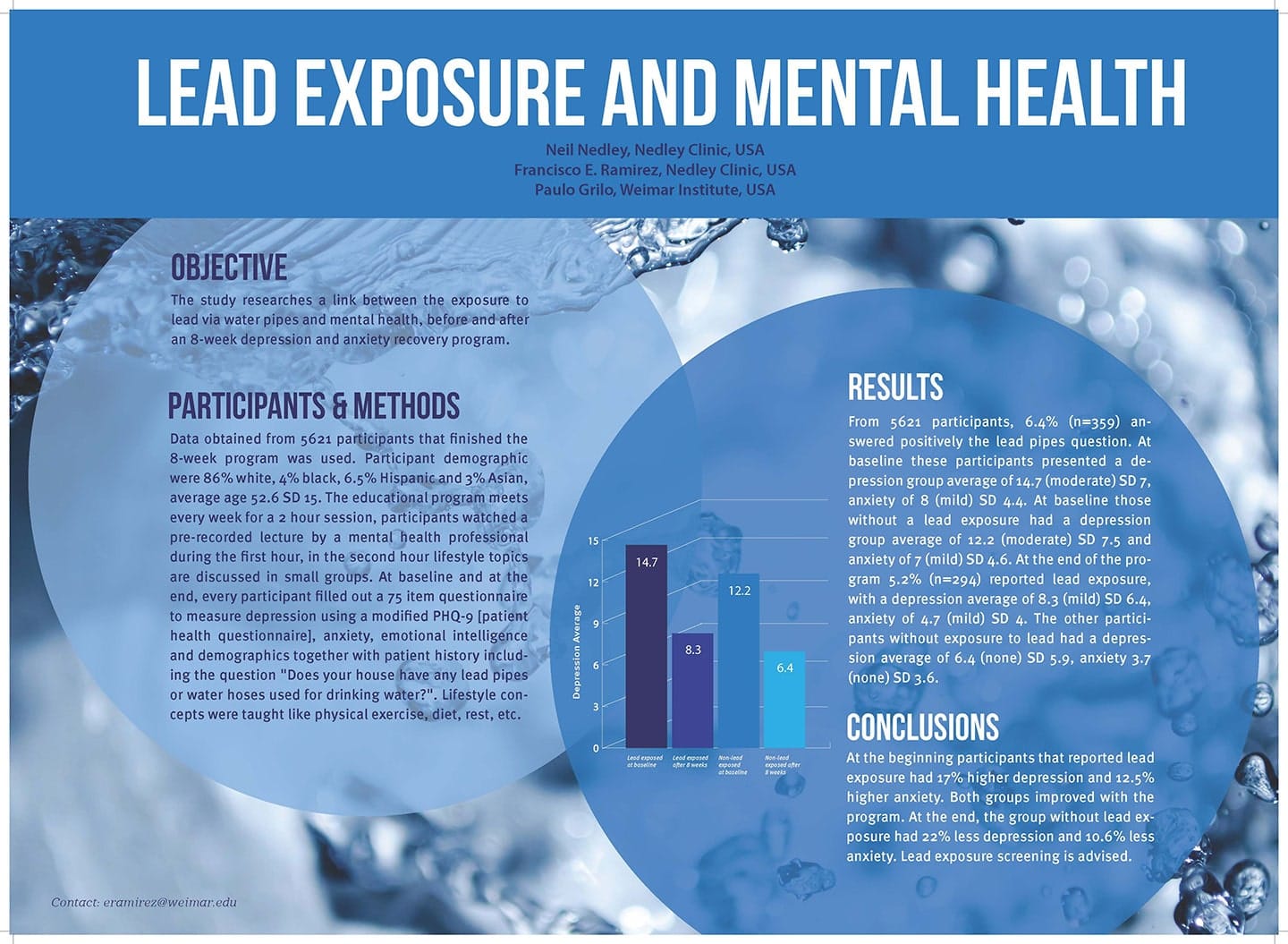
Lead Exposure and Its Hidden Toll: Unveiling a Mental Health Crisis in America
A recent study highlights the alarming link between lead exposure and a surge in mental health issues across the United States, emphasizing the urgent need for public health interventions.