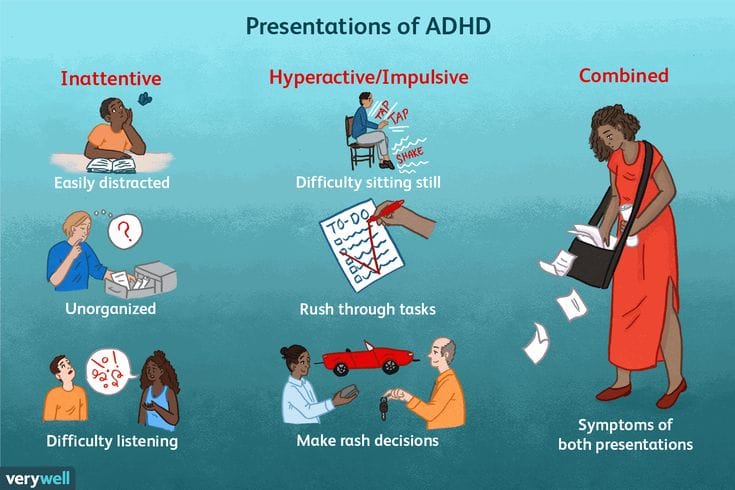
ADHD has long been recognized as a neurodevelopmental disorder that impacts individuals’ cognitive and behavioral abilities. While the core symptoms of inattention, hyperactivity, and impulsivity have been extensively studied, a growing body of research is focusing on the potential impact of ADHD on overall life expectancy. Recent studies suggest that individuals with ADHD may face higher risks of experiencing a reduced lifespan as compared to the general population. This article aims to explore the potential factors contributing to these findings and discuss why further investigation is necessary.
ADHD is more common than ever, with recent data indicating that approximately 8.4% of children worldwide have been diagnosed with the condition. As these individuals move into adulthood, it becomes crucial to understand how ADHD influences their life choices and overall health. Early results have shown that ADHD may contribute to a host of unfavorable outcomes, including substance abuse, poor dietary habits, and overall neglect of personal well-being. These issues, in turn, could lead to increased risks of developing chronic health conditions such as heart disease, diabetes, and obesity, all of which are associated with decreased life expectancy.
However, researchers caution against drawing a direct causal link between ADHD diagnosis and reduced life expectancy. Instead, they emphasize that the relationship between the two may be more complex. First and foremost, it is essential to acknowledge that many individuals with ADHD do not receive timely or adequate care, leading to untreated symptoms and increased odds of engaging in self-destructive behaviors. Moreover, co-occurring mental health issues, such as depression, anxiety, and personality disorders, further complicate the context in which these individuals navigate their lives.
To better understand the role ADHD plays in life expectancy, researchers are delving into the long-term effects of the disorder. They are examining the impact of ADHD on various age groups and the ways in which treatment options may influence outcomes. By exploring these factors, the hope is to identify potential interventions that can help individuals with ADHD experience better health and mental well-being.
In conclusion, the possible link between ADHD and reduced life expectancy is a vital issue that merits further research. As ADHD becomes more widespread and its prevalence among adults increases, the need to address these concerns grows more critical. Only through comprehensive investigation and timely treatment will it be possible to determine the true implications of ADHD on lifespan and provide the best possible care for those affected by the disorder.