The U.S. dollar has seen a significant drop in value against a basket of major currencies, following reports that the Trump administration is contemplating the introduction of gradual tariffs on a range of imports. This news has sparked a wave of speculation and concern among investors, economists, and market analysts regarding the potential implications for trade relations and the overall economic landscape.
The discussions surrounding the gradual tariffs are reportedly part of a broader strategy by the Trump team to address ongoing trade imbalances and protect domestic industries. While the specifics of the proposed tariffs remain unclear, the mere suggestion of such measures has already begun to influence market sentiment. Investors are wary of the potential for escalating trade tensions, which could lead to retaliatory measures from other countries and further complicate the already intricate web of global trade.
The dollar’s decline can be attributed to a combination of factors, including the uncertainty surrounding the proposed tariffs and the potential impact on U.S. exports. A weaker dollar can make American goods more competitive in international markets, but it can also raise the cost of imports, leading to inflationary pressures domestically. As a result, market participants are grappling with the dual-edged nature of currency fluctuations in the context of trade policy.
In the wake of the reports, analysts have begun to reassess their forecasts for the dollar’s performance in the coming months. Some experts suggest that if the Trump administration moves forward with the gradual tariffs, it could lead to a prolonged period of volatility in currency markets. This uncertainty may prompt investors to seek safer assets, such as gold or government bonds, further exacerbating the dollar’s decline.
The potential for gradual tariffs also raises questions about the broader implications for U.S. economic growth. While the administration may argue that such measures are necessary to protect American jobs and industries, critics warn that tariffs can lead to higher prices for consumers and disrupt supply chains. The interconnected nature of the global economy means that any changes in U.S. trade policy can have far-reaching consequences, not only for domestic markets but also for international partners.
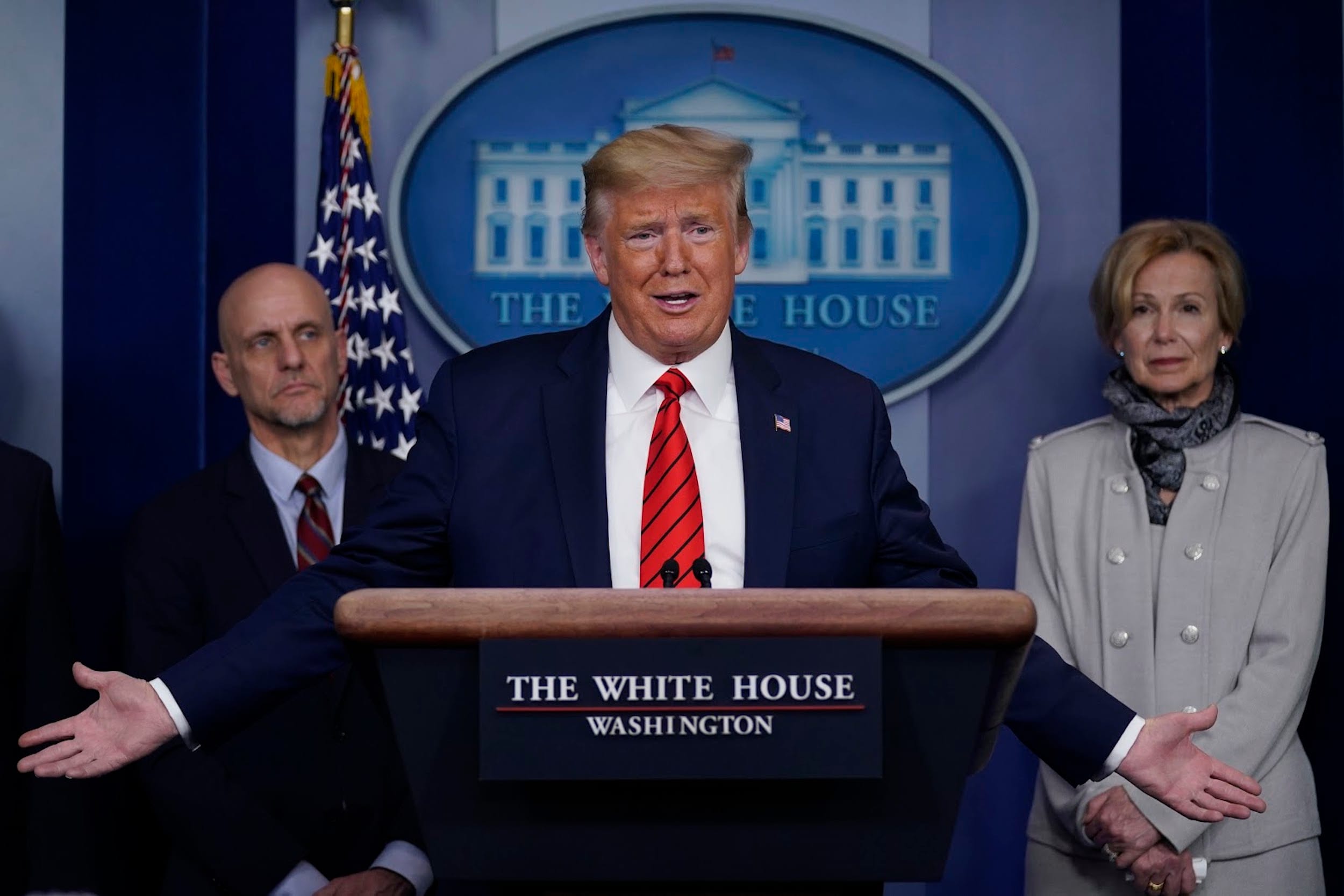
As the situation develops, market participants are closely monitoring statements from key officials within the Trump administration. Any indication of a shift in trade policy or further details regarding the proposed tariffs could significantly influence market dynamics. Investors are particularly attuned to comments from the Treasury Secretary and the U.S. Trade Representative, as their insights may provide clarity on the administration’s intentions and the potential timeline for implementing any new tariffs.
In addition to the immediate impact on the dollar, the discussions surrounding gradual tariffs could also have implications for the Federal Reserve’s monetary policy. If inflationary pressures rise as a result of increased import costs, the central bank may be compelled to adjust its interest rate strategy. This potential shift in monetary policy could further influence the dollar’s trajectory, as higher interest rates typically attract foreign investment and bolster currency values.
The global response to the proposed tariffs will also be a critical factor to watch. Countries that are major trading partners with the United States may react by implementing their own tariffs or trade barriers, leading to a tit-for-tat scenario that could escalate tensions. Such developments could create a challenging environment for businesses that rely on international trade, as uncertainty may hinder investment decisions and disrupt established supply chains.
In conclusion, the recent reports regarding the Trump administration’s consideration of gradual tariffs have led to a notable decline in the value of the U.S. dollar. As market participants grapple with the potential implications for trade relations, inflation, and economic growth, the situation remains fluid. Investors are advised to stay informed and vigilant as developments unfold, as the outcomes of these discussions could have lasting effects on the U.S. economy and its position in the global marketplace.