The ongoing conflict in Ukraine has drawn international attention, not only for its geopolitical implications but also for the diverse array of foreign fighters involved. Among these are North Korean soldiers, whose presence has raised eyebrows and sparked discussions about their motivations and potential for defection. Recently, South Korea’s National Intelligence Service (NIS) provided insights into the situation, revealing that the captured North Korean soldiers have shown no inclination to defect to South Korea or any other country.
The NIS’s findings come at a time when the international community is closely monitoring the dynamics of the war in Ukraine. The involvement of North Korean soldiers is particularly noteworthy, as it highlights the complex relationships and alliances that can emerge in times of conflict. The agency’s report indicates that these soldiers, despite being captured, remain loyal to their home country and have not expressed any desire to abandon their allegiance to the North Korean regime.
This lack of interest in defection can be attributed to several factors. First and foremost, the ideological indoctrination that North Korean soldiers undergo is profound. The regime places a strong emphasis on loyalty and patriotism, instilling in its military personnel a sense of duty that often supersedes personal desires for freedom or a better life. This indoctrination is reinforced by the harsh realities of life in North Korea, where the consequences of defection can be severe not only for the individual but also for their families.
Moreover, the soldiers’ experiences in Ukraine may further complicate their views on defection. Engaging in combat alongside fellow North Koreans, they may find camaraderie and a sense of purpose that aligns with their training and beliefs. The harsh conditions of war can also foster a strong sense of solidarity among soldiers, making the idea of abandoning their comrades and country even less appealing.
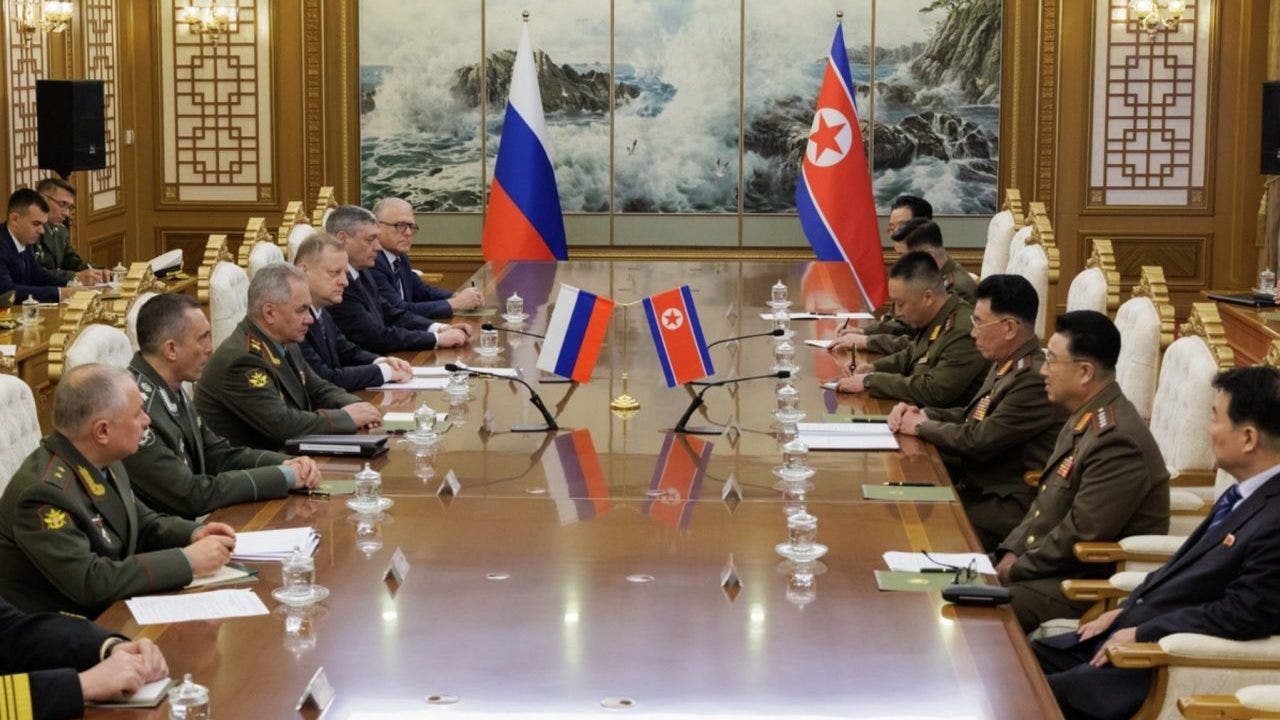
The NIS report also sheds light on the broader implications of North Korean military involvement in Ukraine. The presence of these soldiers raises questions about the extent of North Korea’s support for Russia in the conflict. Analysts have speculated that North Korea may be providing military assistance to Russia, which could include sending troops to bolster Russian forces. This potential collaboration underscores the shifting alliances in the region and the ways in which the conflict in Ukraine is reshaping international relations.
In addition to the ideological factors at play, the practical realities of defection also pose significant challenges for North Korean soldiers. The journey to freedom is fraught with danger, and many defectors face a perilous path that can involve crossing multiple borders and evading capture. For soldiers captured in Ukraine, the prospect of defection may seem daunting, especially if they perceive a lack of support or safe passage to a new life.
The NIS’s findings have implications not only for the soldiers themselves but also for the South Korean government and its approach to North Korean defectors. The South Korean administration has long sought to encourage defections from the North, viewing them as a means of undermining the regime and promoting human rights. However, the report suggests that the reality on the ground may be more complex than previously thought, with many North Korean soldiers remaining steadfast in their loyalty despite the circumstances they find themselves in.
As the conflict in Ukraine continues to evolve, the situation of North Korean soldiers will likely remain a point of interest for analysts and policymakers alike. The interplay of ideology, loyalty, and the harsh realities of war will shape the decisions of these soldiers and their potential for defection. The NIS’s report serves as a reminder of the complexities involved in understanding the motivations of individuals caught in the crossfire of international conflicts.
In conclusion, the revelation that North Korean soldiers captured in Ukraine have not shown a desire to defect highlights the deep-seated loyalty instilled in them by their regime. The ideological indoctrination, combined with the challenges of defection, creates a scenario where these soldiers may choose to remain committed to their homeland, even in the face of adversity. As the situation in Ukraine unfolds, the implications of North Korean military involvement will continue to be scrutinized, shedding light on the intricate web of alliances and loyalties that define modern warfare.