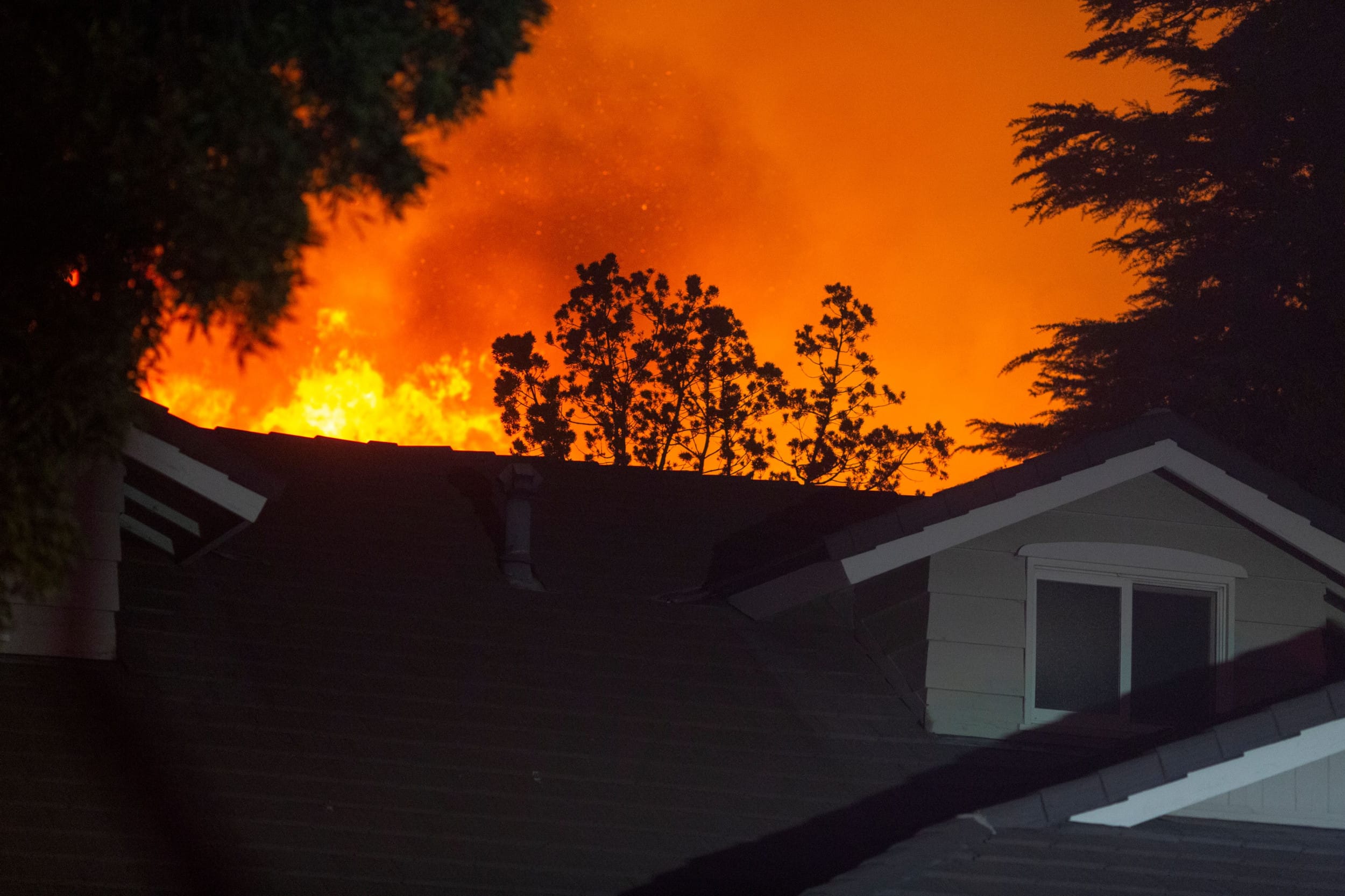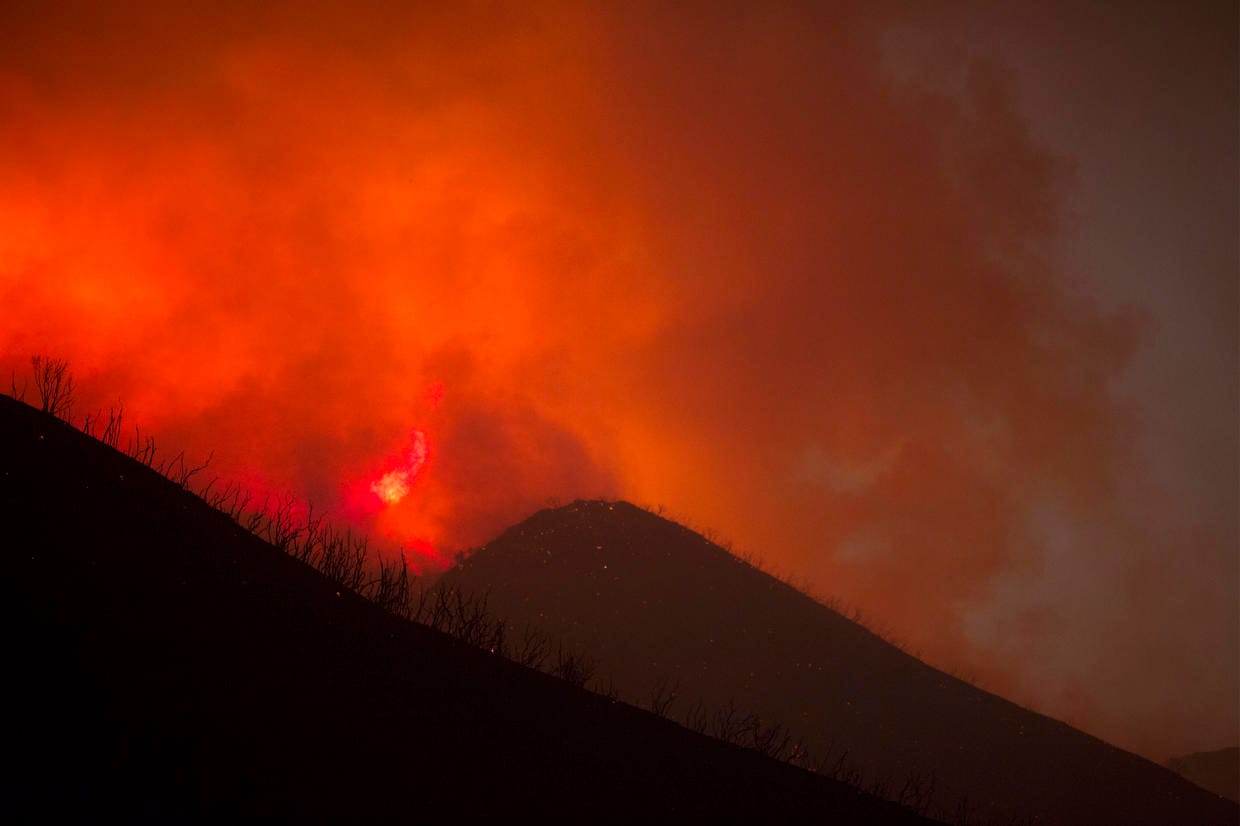
The wildfires raging across Los Angeles have taken a devastating toll, with the death count now reaching 24 individuals. This alarming increase highlights the severity of the situation as firefighters and emergency responders continue to battle the flames that have engulfed vast stretches of land. The fires, fueled by dry conditions and strong winds, have prompted urgent action from local authorities and have raised concerns about the safety of residents in affected areas.
As firefighters brace for more fierce winds, the situation remains precarious. The National Weather Service has issued warnings for gusty conditions that could further complicate firefighting efforts. These winds, combined with the ongoing drought conditions in California, create a perfect storm for the rapid spread of wildfires. Firefighters are working around the clock, employing various strategies to contain the flames and protect homes and lives.
The impact of the wildfires extends beyond the immediate danger posed by the flames. Thousands of residents have been forced to evacuate their homes, leaving behind their belongings and seeking refuge in temporary shelters. Local organizations and volunteers have mobilized to provide assistance, offering food, clothing, and emotional support to those affected by the disaster. The community’s response has been commendable, showcasing the resilience and solidarity of Los Angeles residents in the face of adversity.
In addition to the human toll, the wildfires have also caused significant damage to the environment. Wildlife habitats have been destroyed, and the smoke from the fires has raised air quality concerns across the region. Health officials are advising residents to stay indoors and limit outdoor activities, particularly those with respiratory issues, as the smoke can exacerbate existing health problems.
As the situation evolves, officials are closely monitoring the weather patterns and fire behavior. Firefighters are utilizing aerial support, including helicopters and air tankers, to drop water and fire retardant on the most active fire fronts. Ground crews are also working diligently to create firebreaks and clear vegetation that could fuel the flames. The collaboration between local, state, and federal agencies is crucial in managing the crisis and ensuring the safety of residents.
The emotional toll on the community cannot be understated. Families have lost loved ones, homes, and cherished possessions. Support services are being made available to help individuals cope with the trauma and loss they have experienced. Mental health professionals are on hand to provide counseling and support to those in need, recognizing that recovery from such a disaster extends beyond physical rebuilding.
Looking ahead, the forecast remains uncertain. Meteorologists are keeping a close eye on the potential for changing weather patterns that could either aid firefighting efforts or exacerbate the situation. The community is urged to remain vigilant and prepared for any developments, as the threat of wildfires continues to loom large.
In conclusion, the wildfires in Los Angeles have resulted in a tragic loss of life and significant disruption to the community. As firefighters continue their efforts to contain the flames, the resilience of the residents shines through. The support from local organizations and the collective response of the community highlight the strength of Los Angeles in the face of this crisis. As the situation develops, it is imperative for everyone to stay informed and prepared, as the fight against these wildfires is far from over.