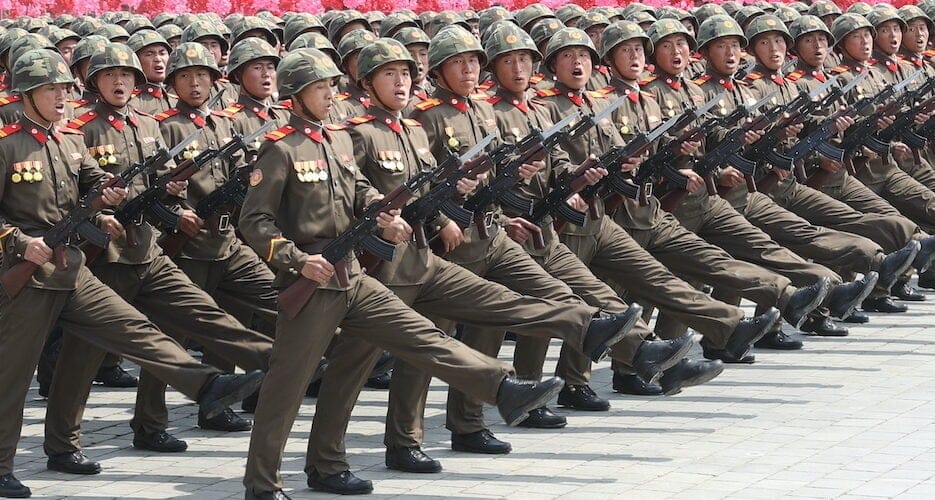
In a significant development in the ongoing conflict between Ukraine and Russia, Ukrainian President Volodymyr Zelenskyy has reported that Ukrainian forces have captured two wounded North Korean soldiers in the Kursk region of Russia. This announcement has sparked interest and concern regarding the potential involvement of North Korean personnel in the conflict, as well as the broader implications for international relations.
The capture of the North Korean soldiers comes amid a backdrop of heightened tensions in Eastern Europe, where the war in Ukraine has drawn in various international actors. The conflict, which began in 2014 with Russia’s annexation of Crimea, has escalated dramatically since February 2022, when Russia launched a full-scale invasion of Ukraine. As the war continues, both sides have sought to bolster their military capabilities, leading to a complex web of alliances and partnerships.
Zelenskyy’s statement regarding the capture of the North Korean soldiers raises several important questions. Firstly, it highlights the potential for North Korea to be involved in the conflict, either directly or indirectly. North Korea has historically maintained a close relationship with Russia, and the two countries have cooperated on various military and economic fronts. The presence of North Korean soldiers in the conflict could indicate a deeper level of involvement from Pyongyang, which has been known to provide military support to allies in various conflicts around the world.
Furthermore, the capture of these soldiers could have significant implications for international diplomacy. North Korea is already subject to a range of international sanctions due to its nuclear weapons program and other military activities. The involvement of North Korean soldiers in the Ukraine conflict could lead to increased scrutiny from the international community and potentially result in further sanctions or diplomatic isolation for Pyongyang.
The situation is further complicated by the fact that North Korea has been facing its own challenges, including economic difficulties exacerbated by the COVID-19 pandemic and ongoing sanctions. The regime’s need for foreign currency and resources may drive it to seek new partnerships, including military cooperation with Russia. This could create a scenario where North Korean soldiers are deployed to support Russian military efforts in Ukraine, raising the stakes for all parties involved.
In addition to the geopolitical implications, the capture of the North Korean soldiers also raises humanitarian concerns. The fact that they were reported as wounded suggests that they may have been involved in combat operations. The treatment of captured soldiers, regardless of their nationality, is governed by international humanitarian law, which mandates humane treatment and prohibits torture or inhumane treatment. The Ukrainian government will need to navigate these legal and ethical considerations as it addresses the situation of the captured soldiers.
As the conflict in Ukraine continues to evolve, the involvement of North Korean soldiers could also impact the dynamics on the ground. If North Korea were to provide military support to Russia, it could alter the balance of power in the region and complicate Ukraine’s efforts to reclaim territory and defend its sovereignty. The potential for increased military cooperation between Russia and North Korea could also provoke a response from other nations, particularly those in the West, who are already concerned about Russia’s actions in Ukraine.
In conclusion, the capture of two wounded North Korean soldiers by Ukrainian forces in the Kursk region represents a significant development in the ongoing conflict between Ukraine and Russia. It raises important questions about North Korea’s involvement in the war, the implications for international relations, and the humanitarian considerations surrounding the treatment of captured soldiers. As the situation unfolds, it will be crucial for the international community to monitor developments closely and consider the potential ramifications of this new dimension in the conflict.


