In a significant development in the ongoing conflict between Ukraine and Russia, Ukrainian officials have reported that a drone strike has successfully targeted one of Russia’s largest oil refineries. This incident underscores the escalating nature of the conflict, which has seen both sides intensifying their military operations in recent months. The refinery, located in a strategic area, is a vital component of Russia’s energy infrastructure, and the damage inflicted could have far-reaching implications for the country’s oil production capabilities.
The Ukrainian military has stated that the drone strike was part of a broader strategy to disrupt Russian supply lines and weaken its military capabilities. The attack reportedly caused extensive damage to the refinery, although specific details regarding the extent of the destruction and the operational status of the facility remain unclear. Ukrainian officials have expressed confidence that such operations will continue as part of their efforts to counter Russian aggression.
This drone strike is not an isolated incident but rather part of a series of military actions taken by Ukraine in response to the ongoing conflict that began in 2014 with Russia’s annexation of Crimea. Since then, the situation has escalated, leading to a full-scale invasion by Russian forces in February 2022. The conflict has resulted in significant loss of life and widespread destruction, prompting international condemnation and sanctions against Russia.
The targeting of oil refineries is particularly noteworthy, as it highlights the strategic importance of energy resources in modern warfare. Oil refineries are critical for producing fuel not only for military operations but also for civilian use. Disrupting these facilities can have a cascading effect on a nation’s economy and its ability to sustain military operations. As such, Ukraine’s decision to target this refinery may be seen as a calculated move to undermine Russia’s operational capabilities.
In response to the drone strike, Russian officials have condemned the attack and vowed to retaliate. The Kremlin has characterized the strike as an act of aggression and has indicated that it will take measures to protect its energy infrastructure. This rhetoric is consistent with previous statements made by Russian leaders, who have emphasized their commitment to defending their territory and resources against what they perceive as Ukrainian provocations.
The international community has been closely monitoring the situation, with various countries expressing concern over the escalating violence. Diplomatic efforts to resolve the conflict have been ongoing, but progress has been slow, and the situation remains volatile. The drone strike on the oil refinery may further complicate these diplomatic efforts, as it could lead to an escalation of hostilities and a potential widening of the conflict.
As the conflict continues, both Ukraine and Russia are likely to pursue military strategies that target each other’s critical infrastructure. This could lead to a cycle of retaliation, with each side seeking to undermine the other’s capabilities. The use of drone technology in warfare has become increasingly prevalent, and this incident serves as a reminder of the evolving nature of modern conflict.
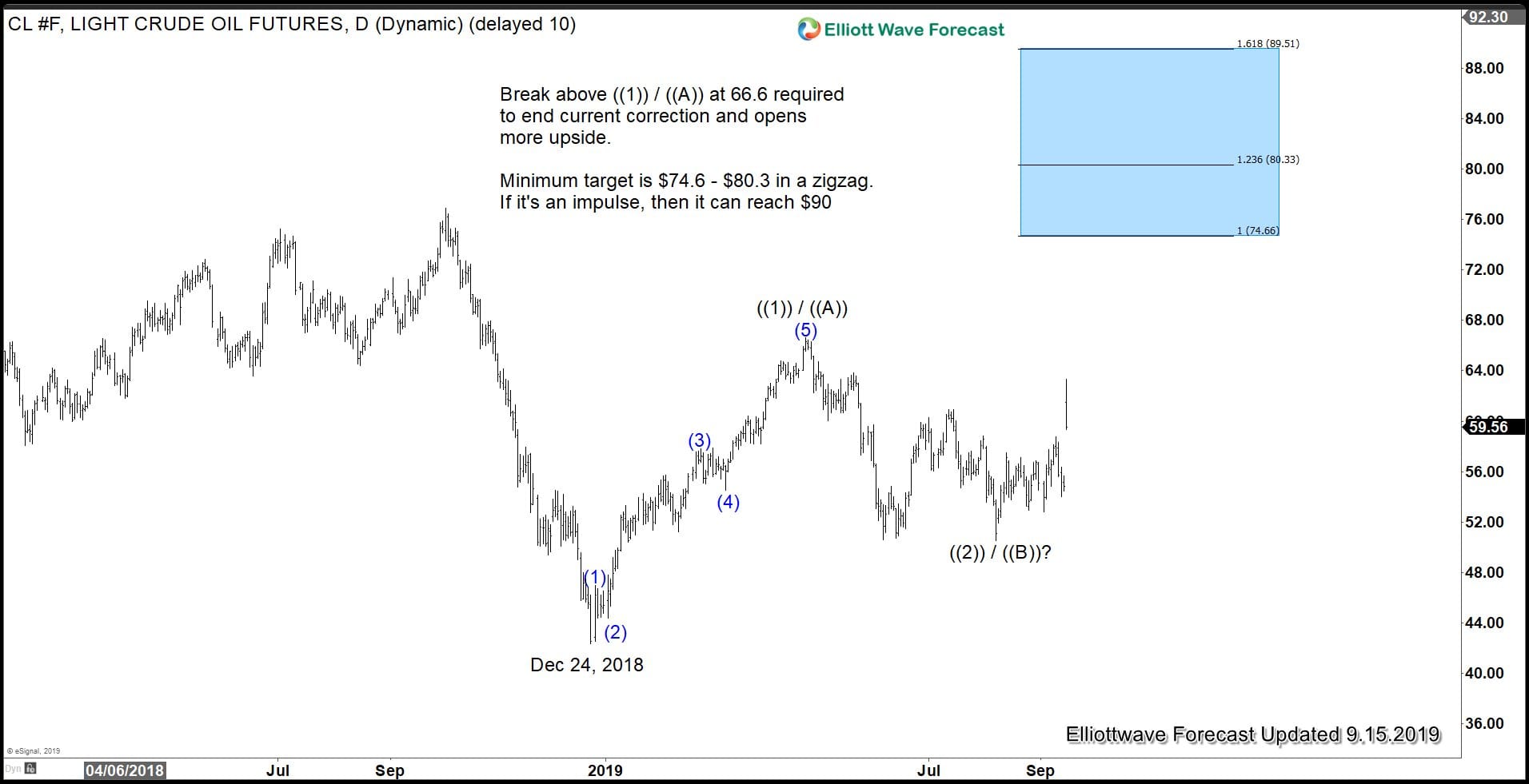
In addition to the immediate military implications, the strike on the oil refinery could have broader economic consequences. Disruptions to oil production can lead to fluctuations in global oil prices, affecting economies far beyond the borders of Ukraine and Russia. The energy market is already sensitive to geopolitical tensions, and any significant disruption in Russian oil supply could have ripple effects across the globe.
As the situation develops, it will be essential for analysts and policymakers to assess the potential ramifications of this drone strike. The conflict between Ukraine and Russia is not only a regional issue but also a matter of international concern, with implications for global security and economic stability. The actions taken by both sides in the coming days and weeks will be critical in shaping the future trajectory of the conflict.
In conclusion, Ukraine’s reported drone strike on one of Russia’s largest oil refineries marks a significant escalation in the ongoing conflict. As both nations continue to engage in military operations, the potential for further violence and disruption remains high. The international community will be watching closely as the situation unfolds, with hopes for a resolution that can bring an end to the hostilities and restore stability to the region.

