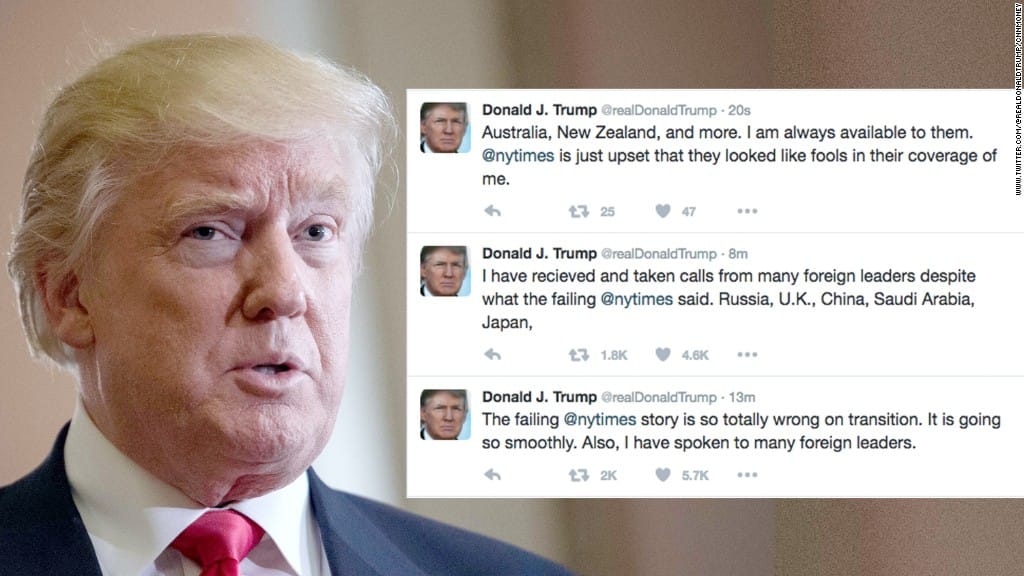
The interest of former President Donald Trump in acquiring Greenland has generated considerable attention and debate, both in the United States and internationally. This notion, which initially surfaced during Trump’s presidency, raises questions about the future of Greenland and its relationship with the United States. As discussions continue, it is essential to consider the various scenarios that could emerge from this geopolitical interest.
One possible scenario is the strengthening of U.S.-Denmark relations. Greenland is an autonomous territory of Denmark, and any serious discussions regarding its acquisition would necessitate negotiations with the Danish government. If the U.S. were to pursue this interest diplomatically, it could lead to a more robust partnership between the two nations. This scenario could involve collaborative efforts in areas such as defense, trade, and environmental protection. A strengthened alliance might also enhance the U.S. presence in the Arctic region, which has become increasingly important due to climate change and geopolitical tensions.
Another potential outcome is the economic development of Greenland itself. If the U.S. were to invest in Greenland, it could lead to significant infrastructure improvements and economic opportunities for the local population. This investment could focus on sustainable development, including renewable energy projects and tourism initiatives. By fostering economic growth, the U.S. could help improve the quality of life for Greenlanders while also securing strategic resources in the region. However, this scenario would require careful consideration of the environmental impact and the preservation of Greenland’s unique culture and heritage.
A third scenario involves increased tensions between the U.S. and other nations, particularly Russia and China. The Arctic region is becoming a focal point for global competition, with various countries vying for access to its resources and shipping routes. If the U.S. were to pursue the acquisition of Greenland, it could provoke a strong response from Russia, which has been expanding its military presence in the Arctic. Additionally, China’s growing interest in the region could lead to a more complex geopolitical landscape. This scenario could result in heightened military activity and diplomatic challenges, as nations navigate their interests in a rapidly changing environment.
Lastly, there is the possibility of a backlash from the Greenlandic people and the international community. Greenlanders have a strong sense of identity and autonomy, and any attempt to acquire the territory could be met with resistance. This scenario could lead to protests and calls for greater self-determination, as the local population seeks to assert its rights and protect its interests. Furthermore, the international community may view such an acquisition as a form of neo-colonialism, leading to widespread condemnation and potential sanctions against the U.S. This backlash could complicate diplomatic relations and hinder any efforts to engage with Greenland on economic or environmental initiatives.
In conclusion, the interest of former President Trump in acquiring Greenland presents a complex array of potential scenarios. Each outcome carries its own set of implications for international relations, economic development, and environmental stewardship. As discussions continue, it is crucial for policymakers to consider the perspectives of all stakeholders involved, including the Greenlandic people, the Danish government, and other nations with interests in the Arctic region. The future of Greenland remains uncertain, but the dialogue surrounding its status will undoubtedly shape the geopolitical landscape for years to come.