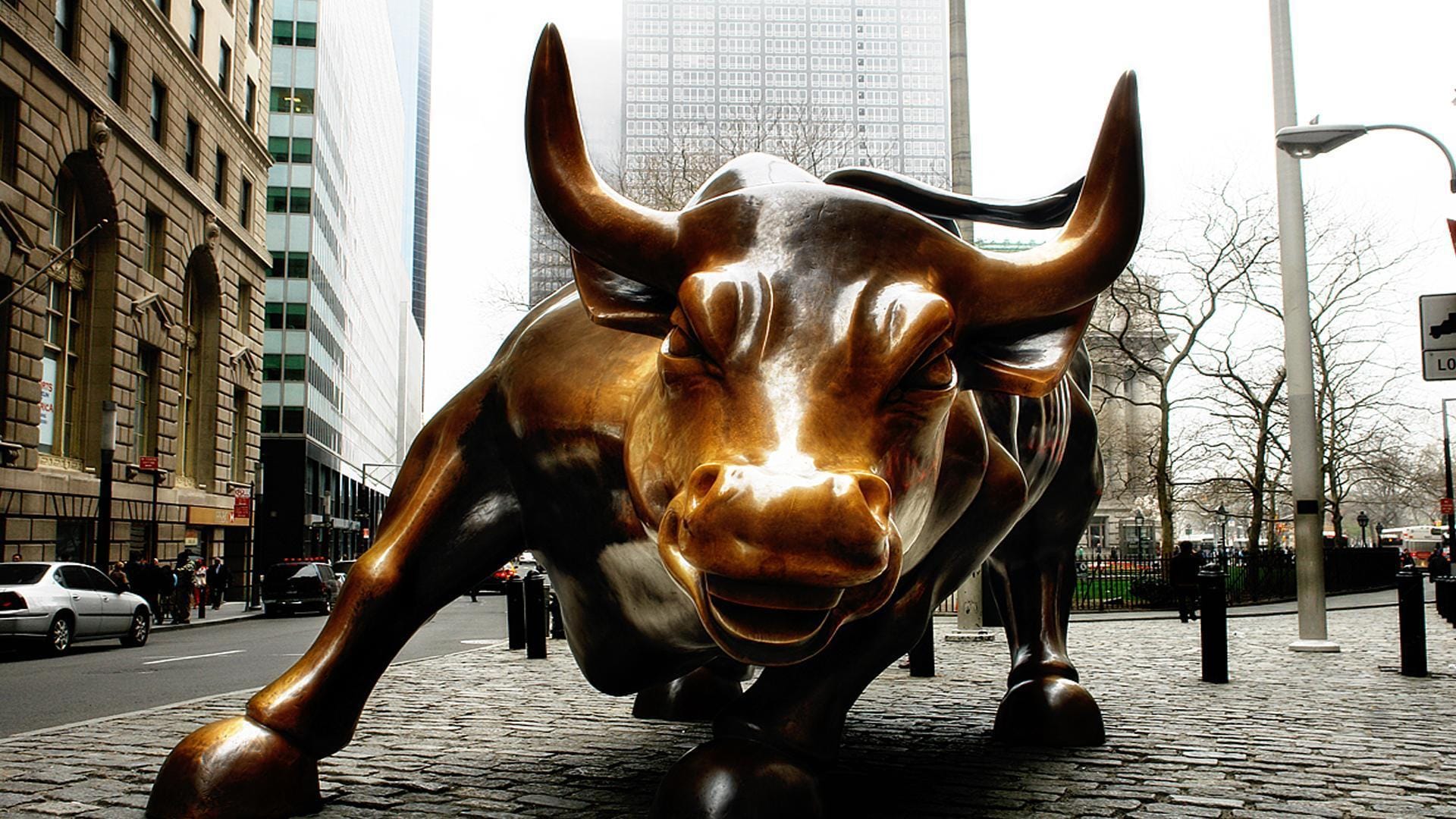
The stock market has experienced a tumultuous period recently, with significant shifts in investor sentiment following a pronounced selloff in the bond market. This selloff has led to a reevaluation of the gains that many attributed to the economic policies implemented during the Trump administration. As investors grapple with the implications of rising interest rates and inflationary pressures, the question arises: what comes next for the stock market?
The bond market, often viewed as a barometer for economic health, has seen yields rise sharply in response to various factors, including expectations of tighter monetary policy from the Federal Reserve. As bond prices fall, yields increase, prompting investors to reassess their positions in equities. This dynamic has contributed to a decline in stock prices, erasing much of the “Trump bump” that characterized the market’s performance in the wake of the 2016 election.
The initial optimism surrounding the Trump administration’s tax cuts and deregulation efforts led to a surge in stock prices, as investors anticipated robust economic growth. However, the recent bond selloff has introduced a new layer of complexity to the market landscape. Rising yields can lead to higher borrowing costs for companies, which may dampen corporate profits and, in turn, stock valuations. This potential for increased costs has made investors more cautious, leading to a reevaluation of their investment strategies.
Moreover, the selloff in the bond market has been exacerbated by concerns over inflation. As the economy continues to recover from the impacts of the COVID-19 pandemic, supply chain disruptions and labor shortages have contributed to rising prices. The Federal Reserve has signaled its intention to combat inflation, which may involve raising interest rates sooner than previously anticipated. Such actions could further impact both the bond and stock markets, creating a challenging environment for investors.
In light of these developments, market analysts are closely monitoring key economic indicators to gauge the potential trajectory of both the bond and stock markets. Employment figures, consumer spending, and inflation data will play crucial roles in shaping investor sentiment. A strong labor market and robust consumer spending could bolster confidence in the economy, while persistent inflationary pressures may lead to increased volatility in both markets.
Investors are also considering the implications of geopolitical events on market performance. Trade tensions, international relations, and global economic conditions can all influence investor behavior. As the world navigates a post-pandemic recovery, uncertainties surrounding these factors may contribute to market fluctuations.
Looking ahead, investors may need to adopt a more diversified approach to their portfolios. With the bond market exhibiting volatility, some may seek alternative investments, such as real estate or commodities, to hedge against potential losses in equities. Additionally, sectors that are less sensitive to interest rate changes, such as utilities and consumer staples, may become more attractive to risk-averse investors.
In conclusion, the recent bond selloff has significantly impacted the stock market, erasing much of the gains that were previously attributed to the Trump administration’s policies. As investors navigate this complex landscape, they must remain vigilant and adaptable to changing economic conditions. The interplay between interest rates, inflation, and geopolitical factors will continue to shape market dynamics in the coming months. Understanding these trends will be essential for investors seeking to make informed decisions in an increasingly uncertain environment.