In recent weeks, the political landscape in Europe has been stirred by the increasing interest of Elon Musk, the CEO of Tesla and SpaceX, in various political matters across the continent. Spain’s Prime Minister, Pedro Sánchez, has joined a chorus of foreign leaders expressing concern over Musk’s influence and the potential ramifications it may have on European politics. This development has sparked discussions about the role of influential business figures in shaping political discourse and policy-making.
Musk’s ventures, particularly in technology and social media, have positioned him as a significant player in the global arena. His companies have not only revolutionized industries but have also become platforms for public discourse. As Musk continues to expand his reach, questions arise about the implications of his involvement in political matters, especially in a region as politically diverse and complex as Europe.
The concerns raised by Sánchez and other leaders center around the potential for Musk’s interests to overshadow democratic processes and influence public opinion in ways that may not align with the values of European societies. The rapid pace of technological advancement, coupled with Musk’s high-profile presence, has led to fears that the lines between business interests and political agendas may become increasingly blurred.
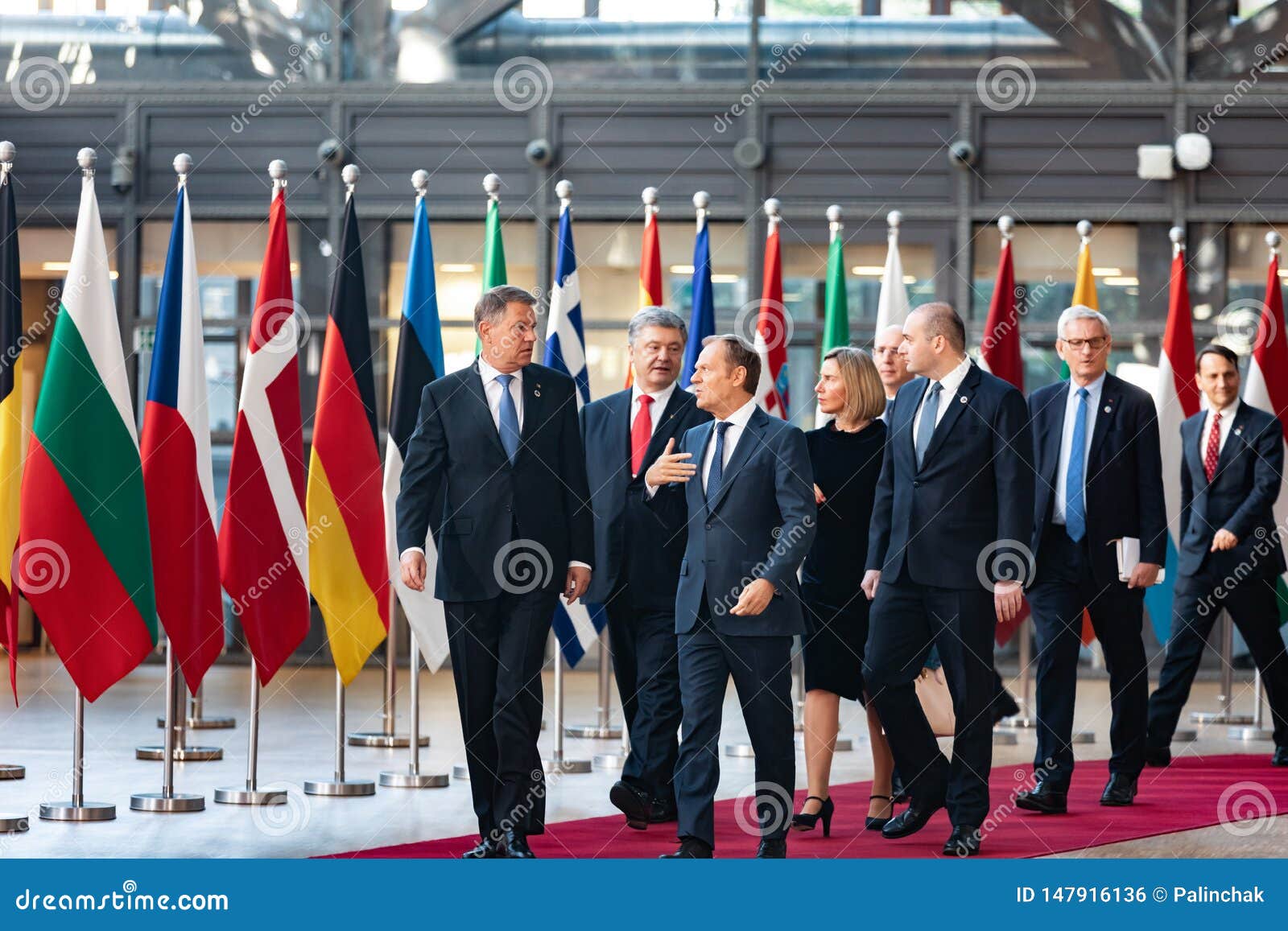
In a recent summit, European leaders convened to discuss the implications of Musk’s activities. The discussions highlighted the need for a framework that ensures transparency and accountability in the relationship between technology companies and political institutions. Leaders emphasized the importance of safeguarding democratic processes and ensuring that the voices of citizens are not drowned out by the interests of powerful individuals.
One of the key issues raised during these discussions was the impact of social media on political discourse. Musk’s ownership of Twitter has raised eyebrows, particularly regarding the platform’s role in shaping public opinion and facilitating political communication. Leaders expressed concerns about the potential for misinformation and the manipulation of narratives, which could undermine the integrity of democratic processes.
Moreover, the leaders acknowledged the need for regulatory measures that address the challenges posed by the digital age. As technology continues to evolve, so too must the frameworks that govern its use in political contexts. The call for regulation is not merely about limiting the influence of individuals like Musk but also about ensuring that technology serves the public good and enhances democratic engagement.
The summit also touched upon the broader implications of Musk’s ventures in Europe, particularly in the context of economic and environmental policies. As a prominent advocate for renewable energy and space exploration, Musk’s initiatives have the potential to influence European policies on climate change and sustainability. However, leaders cautioned against allowing corporate interests to dictate public policy, stressing the importance of prioritizing the needs and values of citizens.
In response to these concerns, Sánchez and his counterparts have committed to fostering a dialogue between technology leaders and policymakers. This dialogue aims to create a collaborative environment where the benefits of technological advancements can be harnessed while mitigating potential risks. By engaging with influential figures like Musk, European leaders hope to establish a framework that promotes responsible innovation and ethical practices in the tech industry.
As the discussions continue, it is clear that the intersection of business and politics will remain a focal point for European leaders. The concerns surrounding Musk’s influence serve as a reminder of the need for vigilance in protecting democratic values in an increasingly interconnected world. The outcome of these discussions may shape the future of political engagement in Europe, as leaders seek to navigate the complexities of a rapidly changing landscape.
In conclusion, the collective concerns expressed by Spain’s Prime Minister and other foreign leaders regarding Elon Musk’s interest in European politics underscore the challenges posed by the intersection of technology and governance. As Europe grapples with the implications of influential business figures on political discourse, the need for transparency, accountability, and regulatory measures becomes increasingly apparent. The ongoing dialogue among leaders aims to ensure that the interests of citizens remain at the forefront of political decision-making in the face of powerful technological influences.
